

 80mm Receipt Printer
 ACE H2 Receipt Printer
 RP337 Receipt Printer
 RP336S Dual-Color Receipt Printer
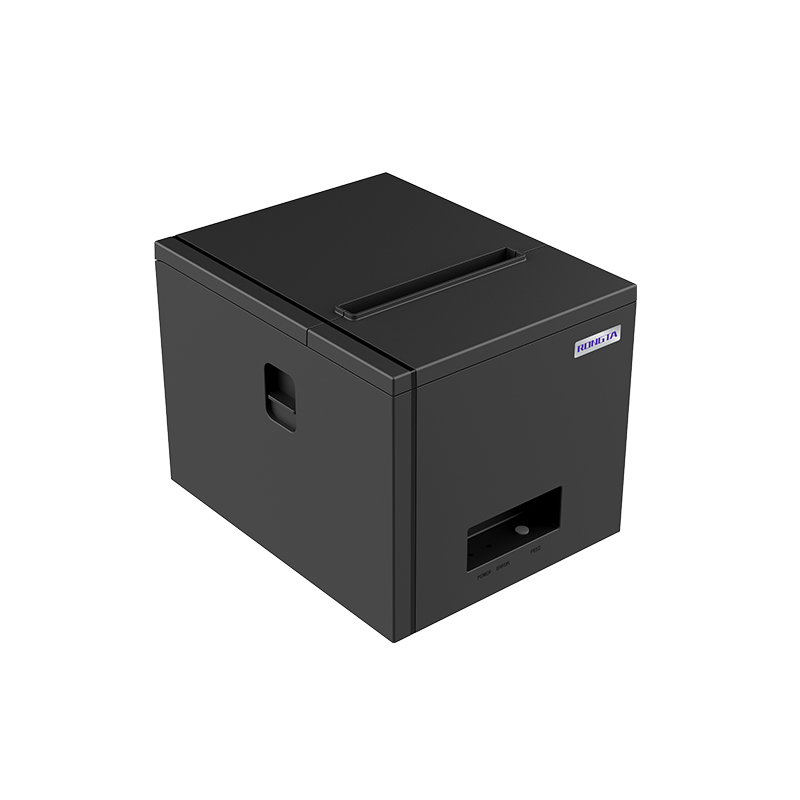 RP350 Receipt Printer
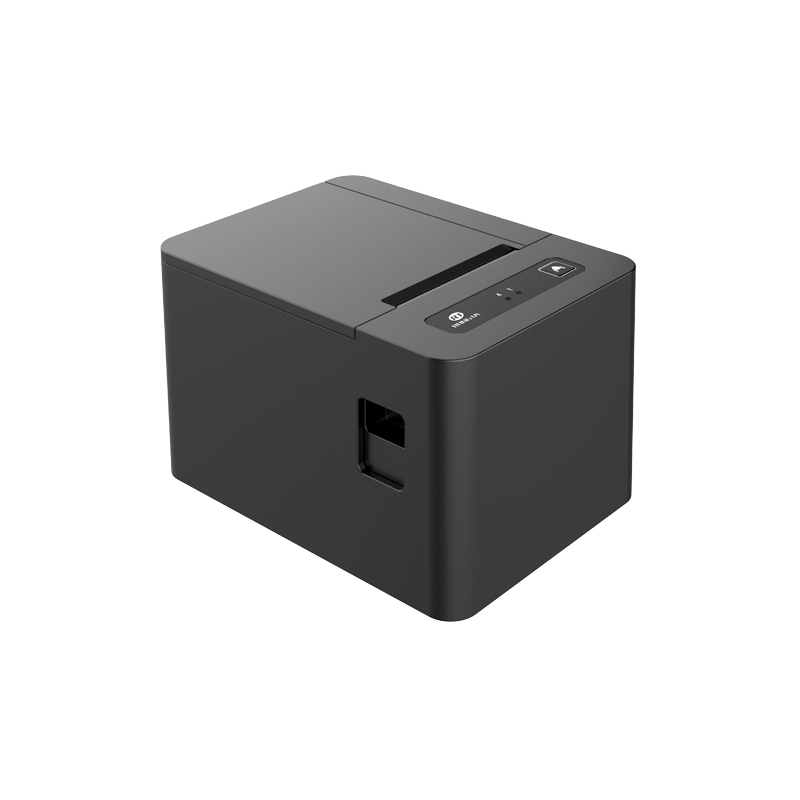 RP582 Receipt Printer
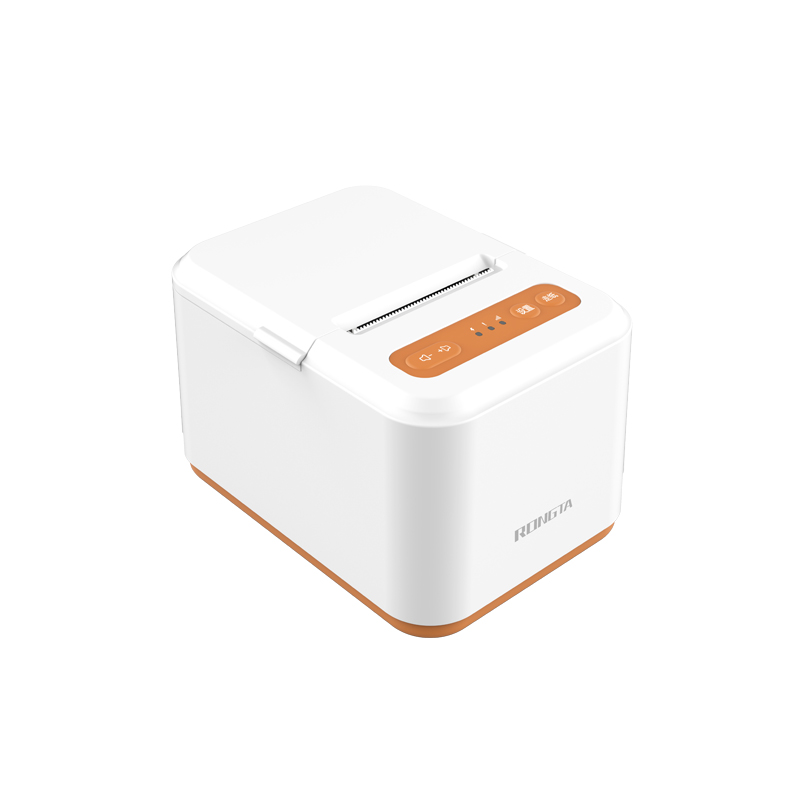 RP581 Receipt Printer
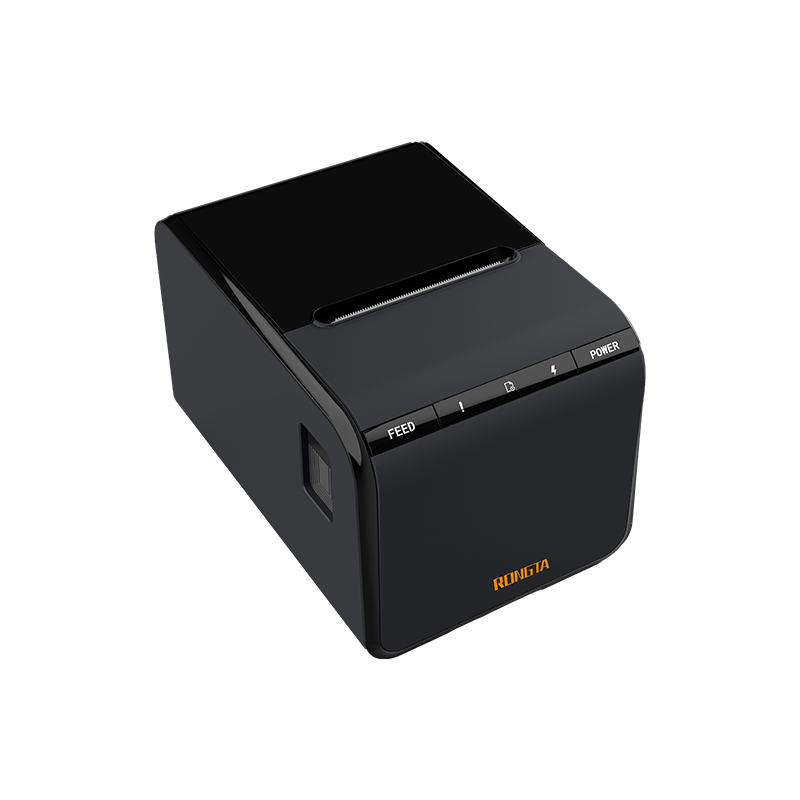 ACE G1Y Receipt Printer
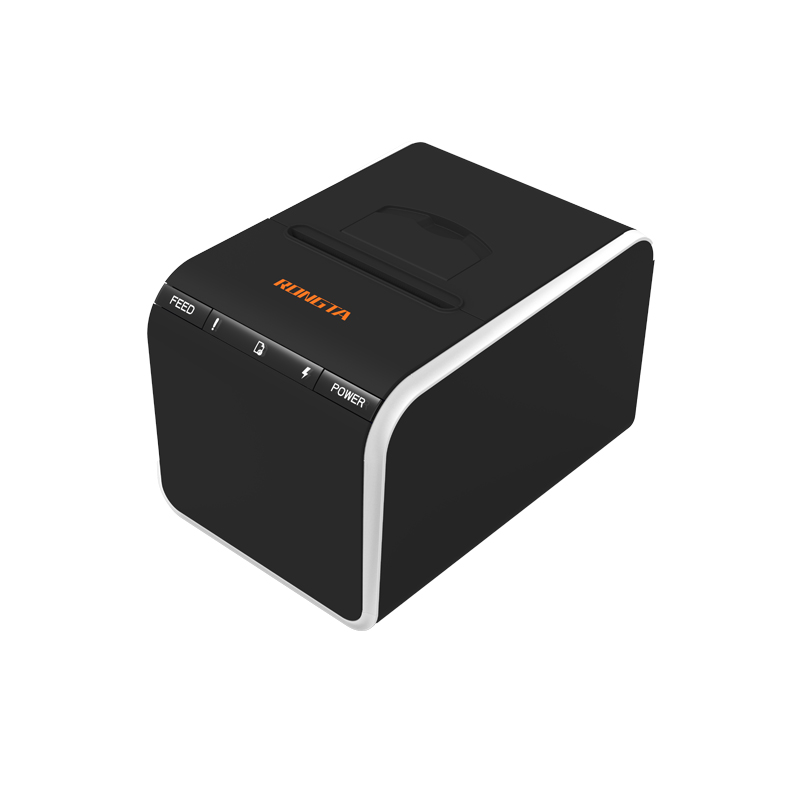 ACE G1YP Cloud Printer
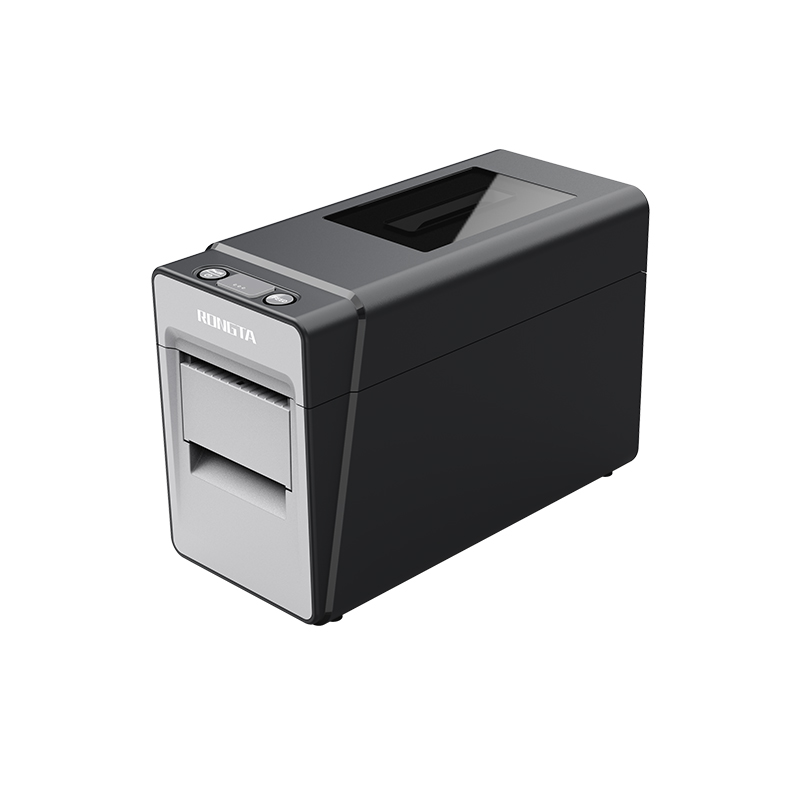 RP216 2'' Dual-color High-definition Label Printer
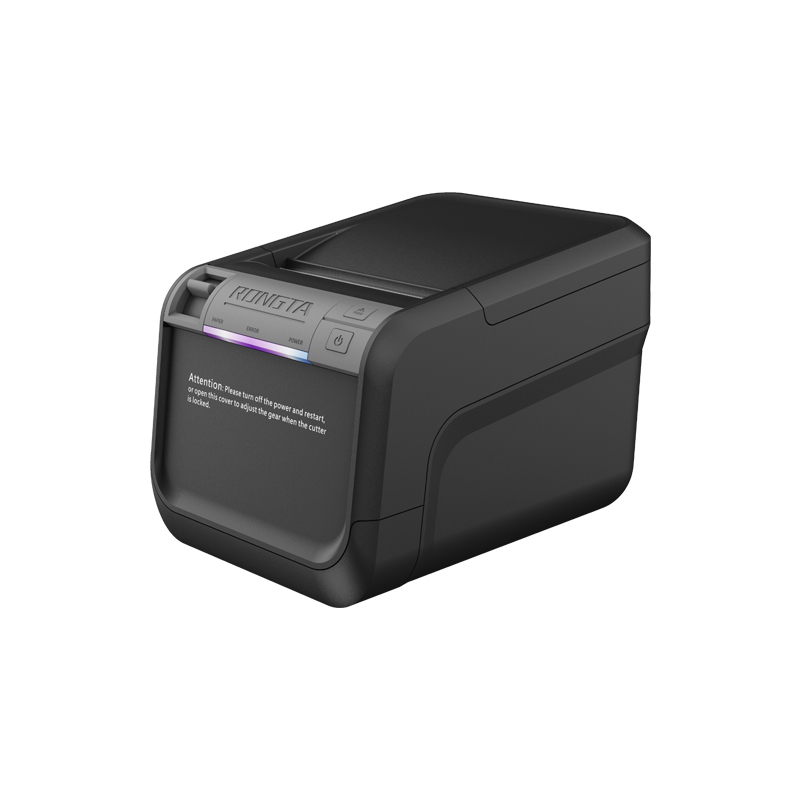 ACE V1S 3'' Backless Label Printer
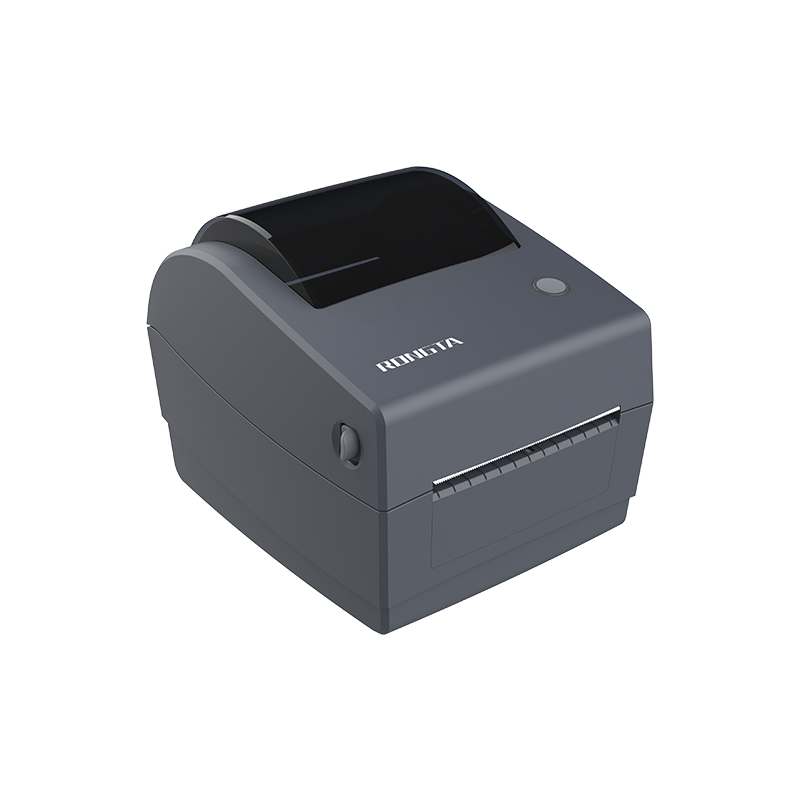 RP310D 3'' Dual-color Label Printer
 RP410N 4'' Thermal Label Printer
 RP425 4'' Electronic Waybill Printer
 RP422 4'' Electronic Waybill Printer
 RP421A 4'' Electronic Waybill Printer
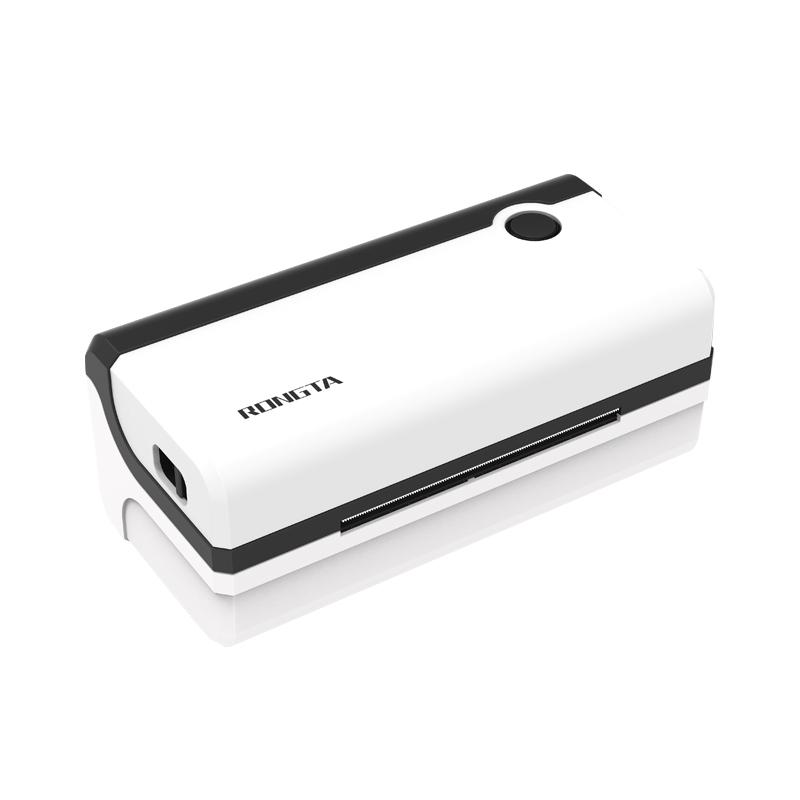 RP420 4'' Electronic Waybill Printer
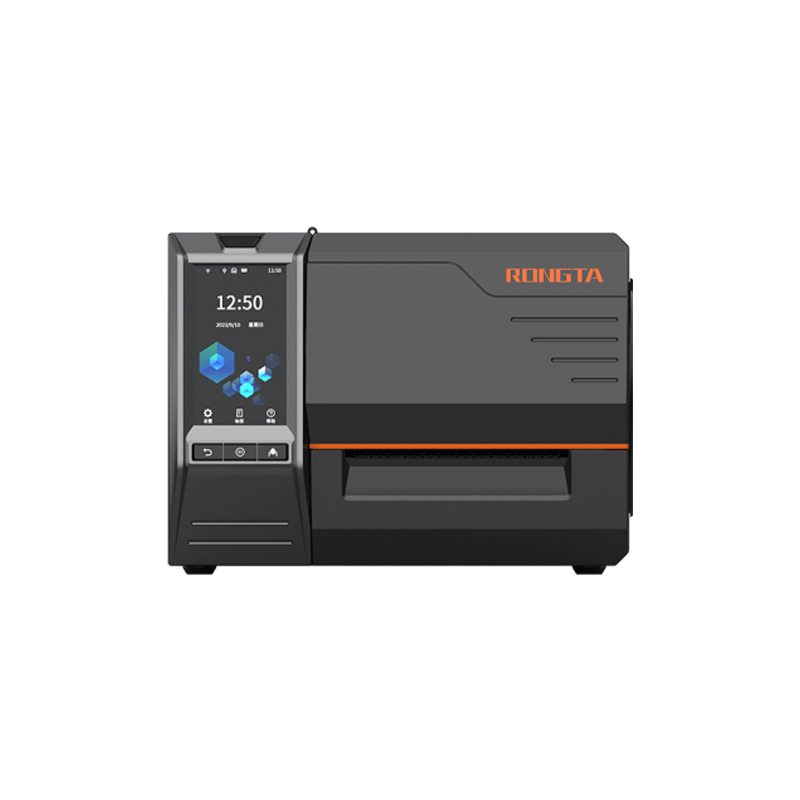 RI463 Series Barcode Printers
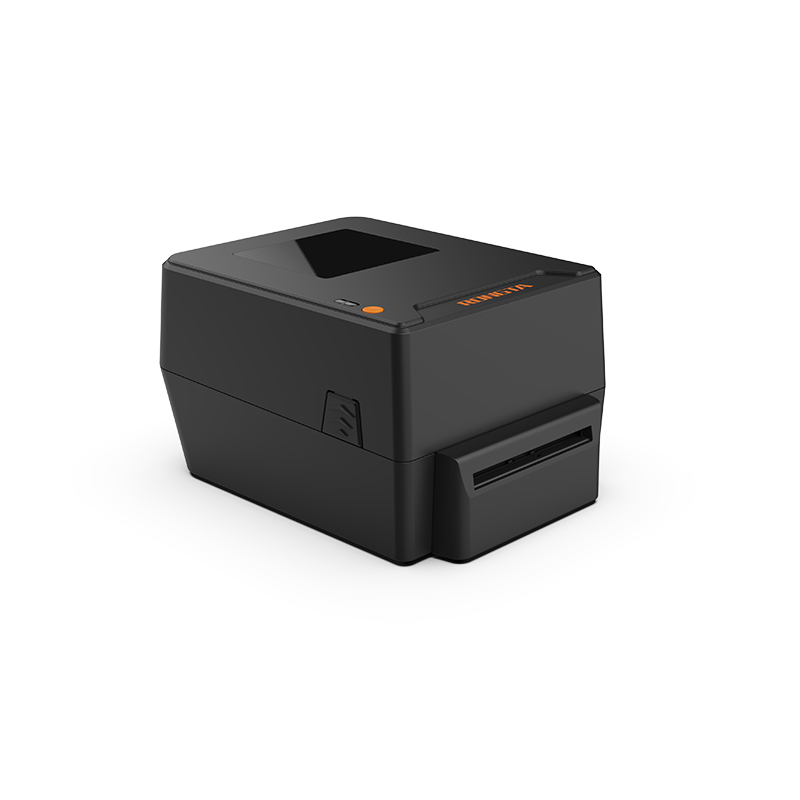 RP400A 4'' Thermal Transfer Tape Cutter Printer
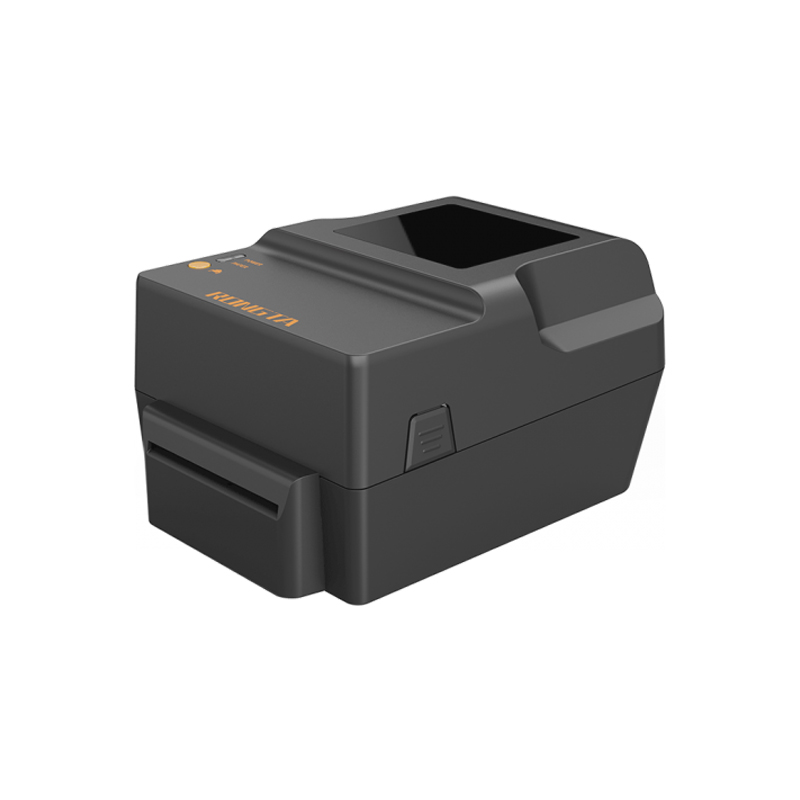 RP400H 4'' Thermal Transfer Tape Cutter Printer
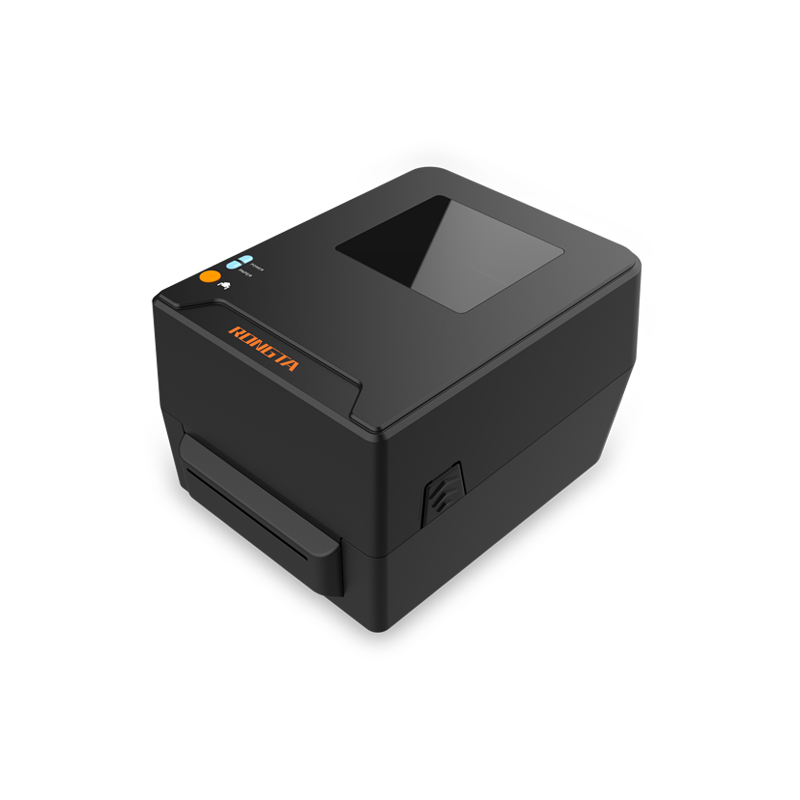 RPF413 300dpi RFID barcode label printer
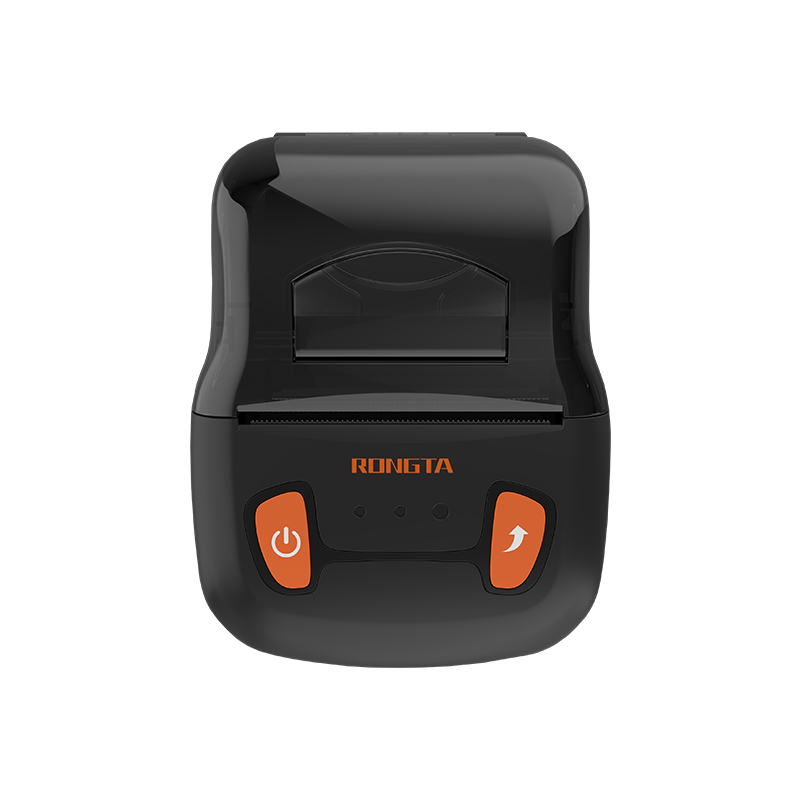 RPP02A Portable Receipt Printer
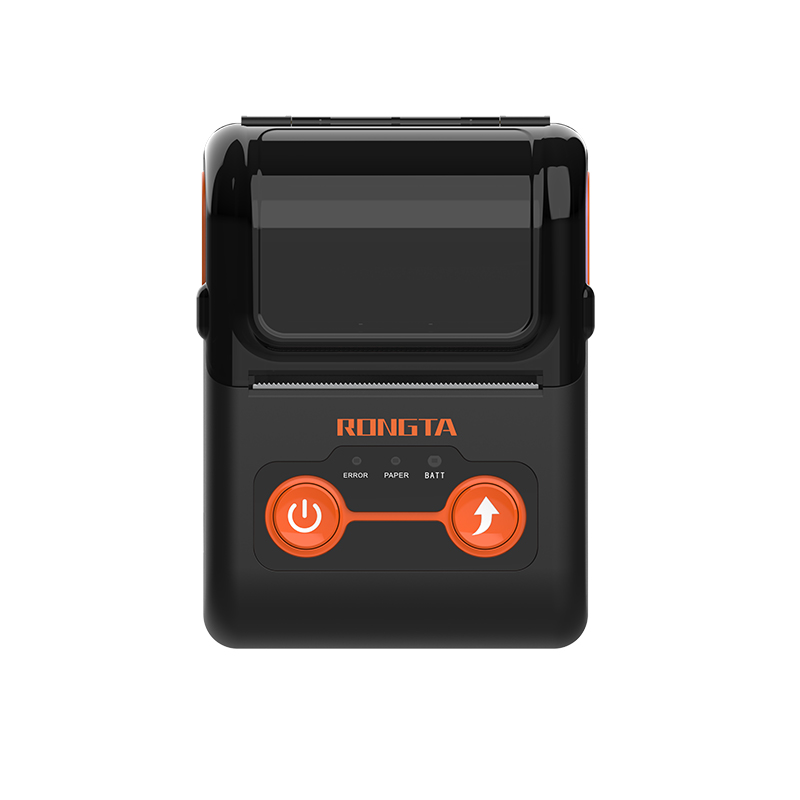 RPP02B Thermal Portable Printer
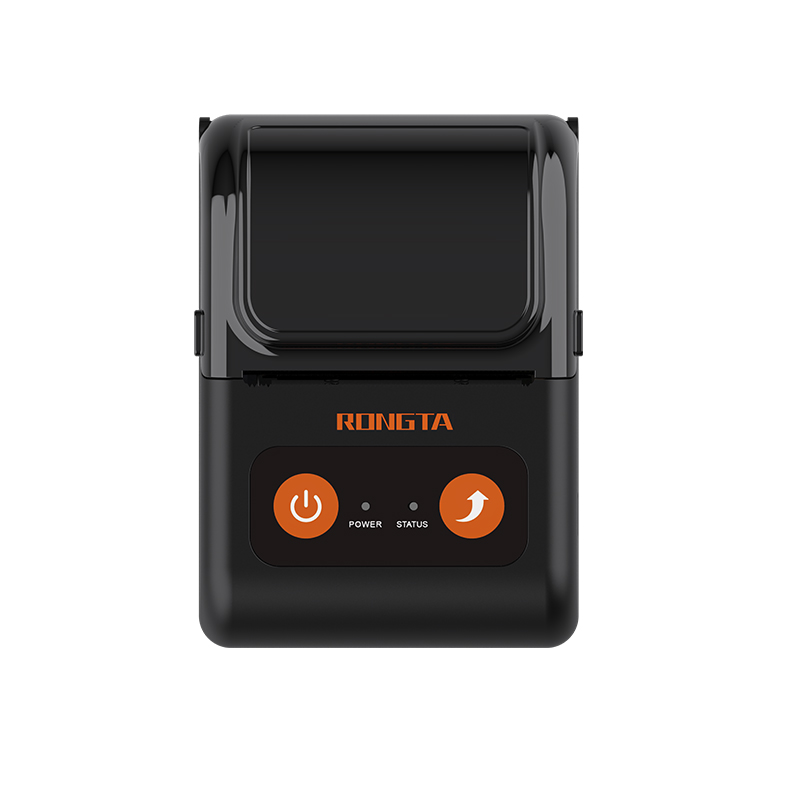 RPP02C Portable Receipt Printer
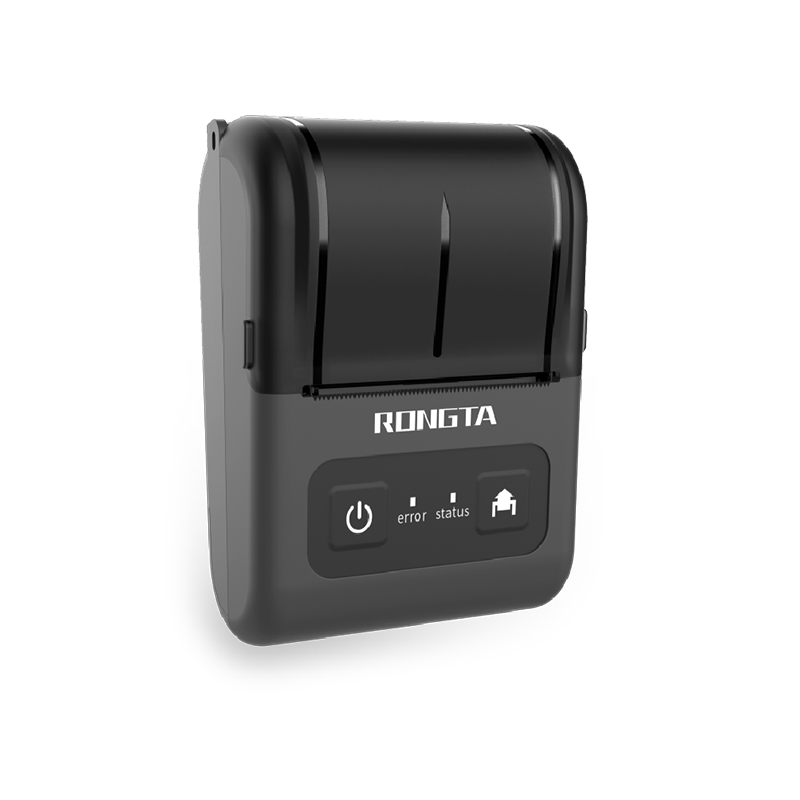 RPP02D Thermal Portable Printer
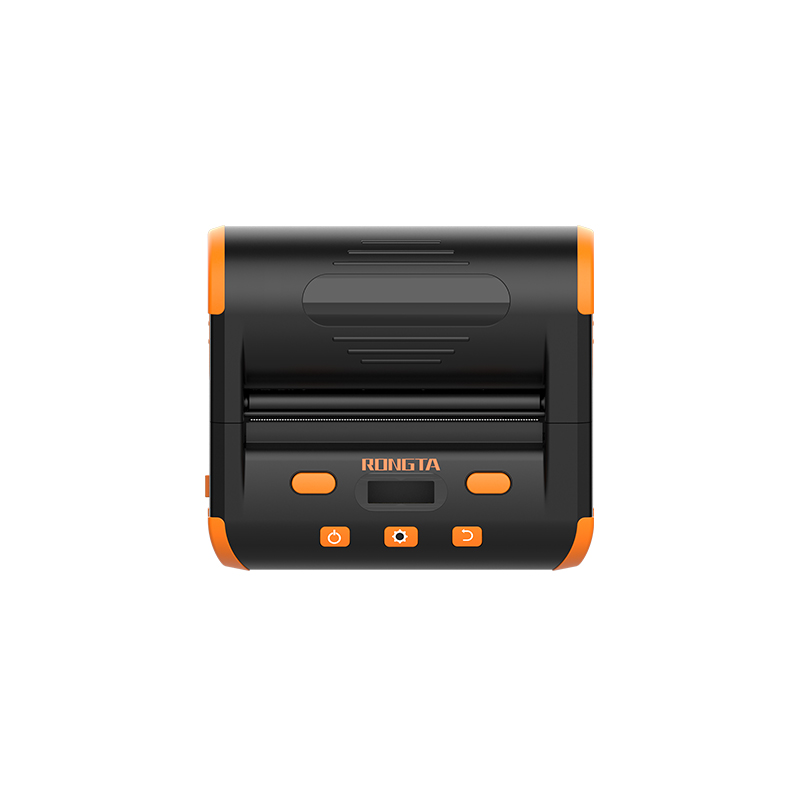 RPP04 4" Portable Label Printer
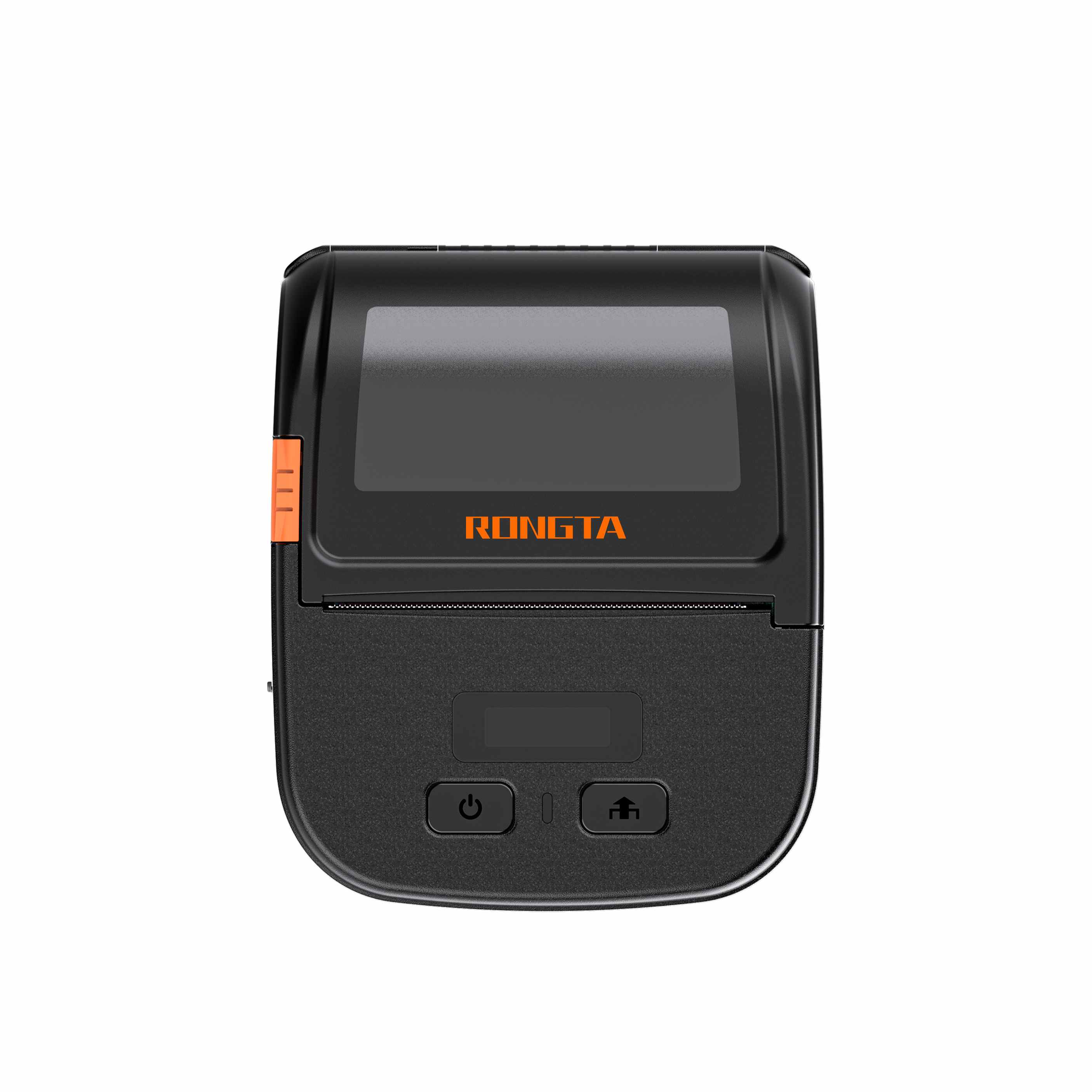 RPP30 3" Portable Label Printer
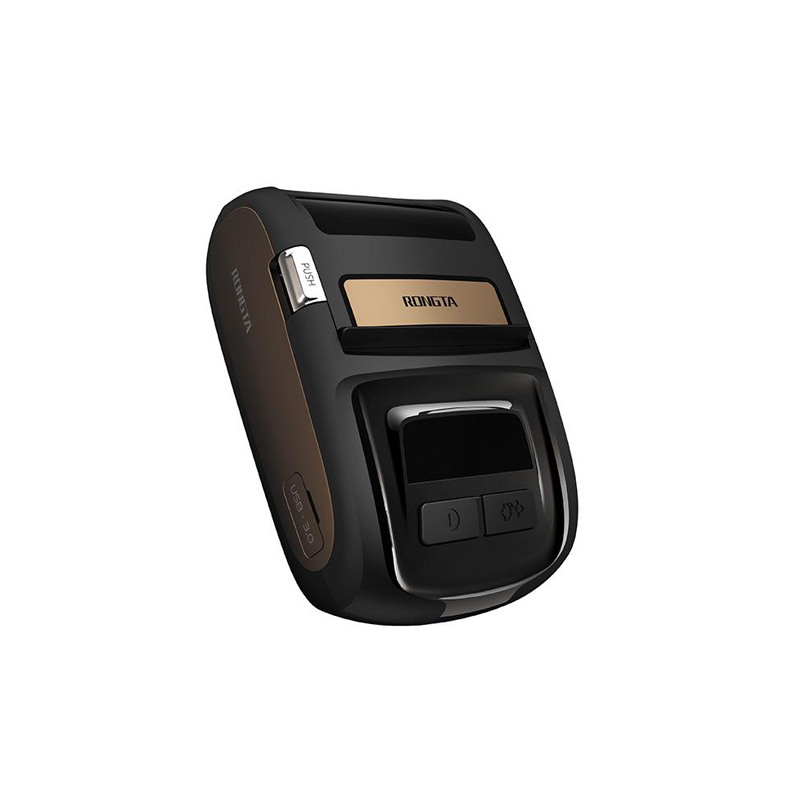 ACE M1 2" Portable Label Printer
 RPP320N 3" Portable Label Printer
 F82A A4 Front-Out Paper Tray Thermal Printer
 F81A Portable A4 Thermal Printer
 F81S Portable A4 Tattoo Printer
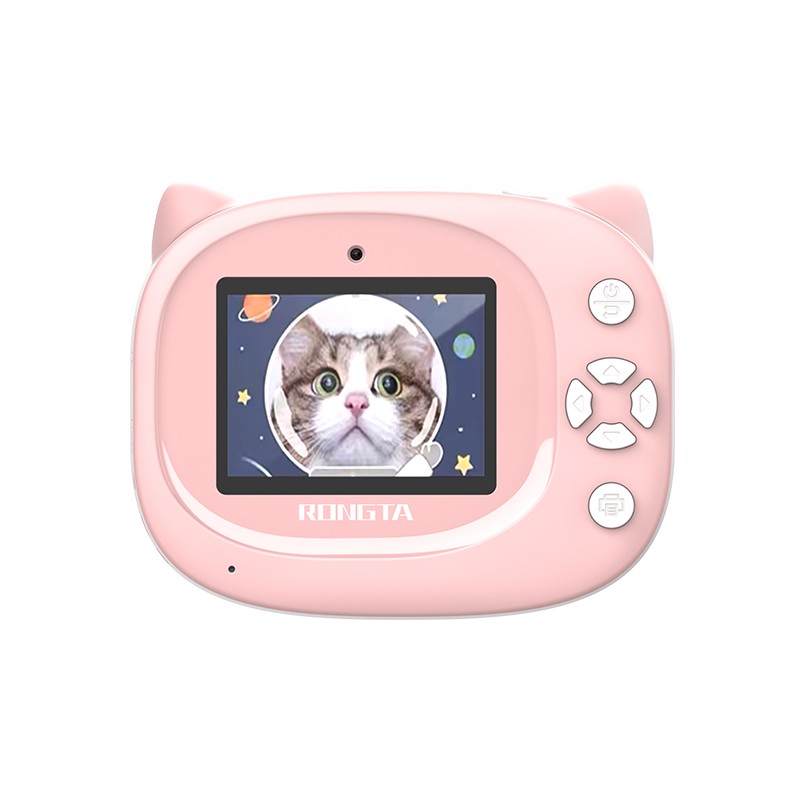 Z1 Children's Educational Photo Printer
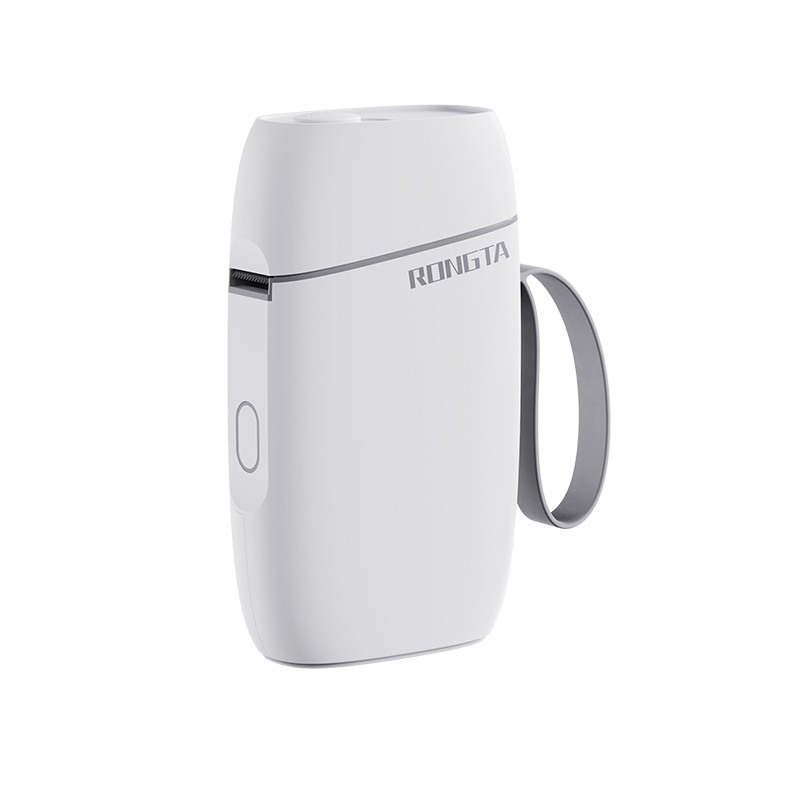 R5 Mini Label Printer
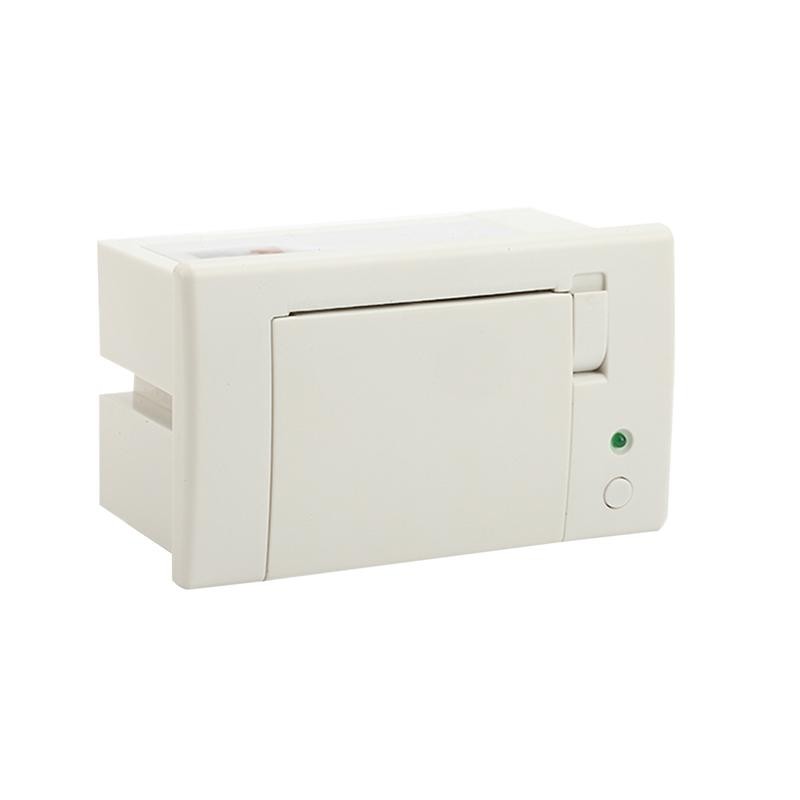 RP07 58mm Embedded Printer
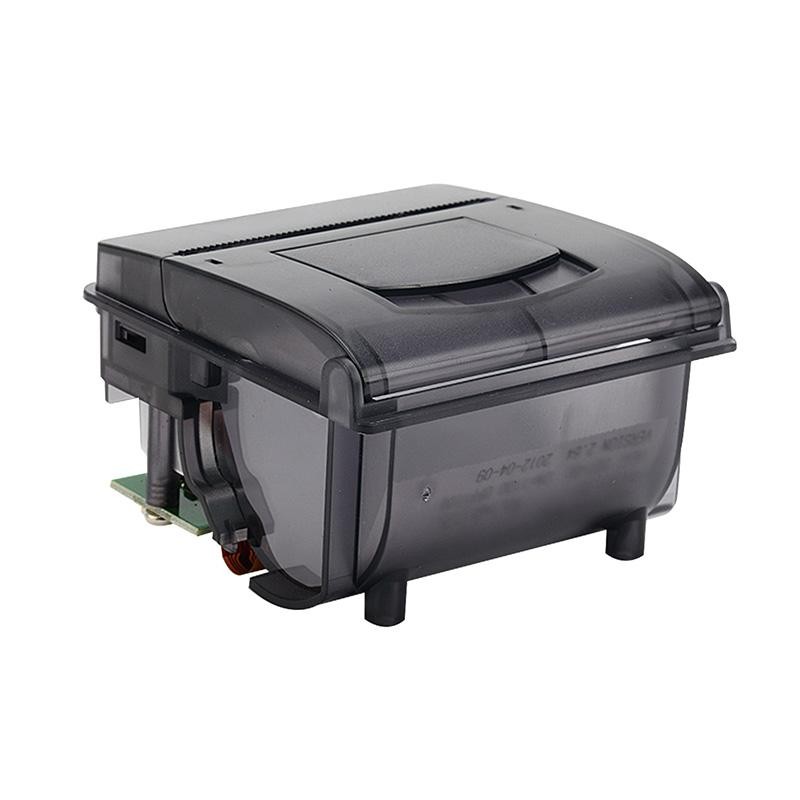 RP203 58mm Embedded Printer
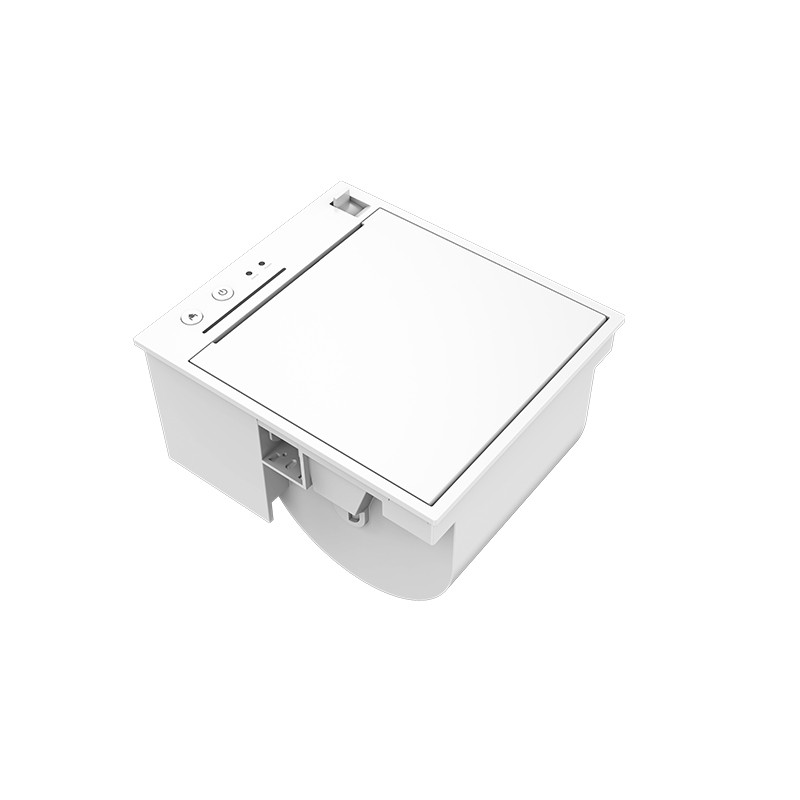 PM315 Embedded Thermal Printer
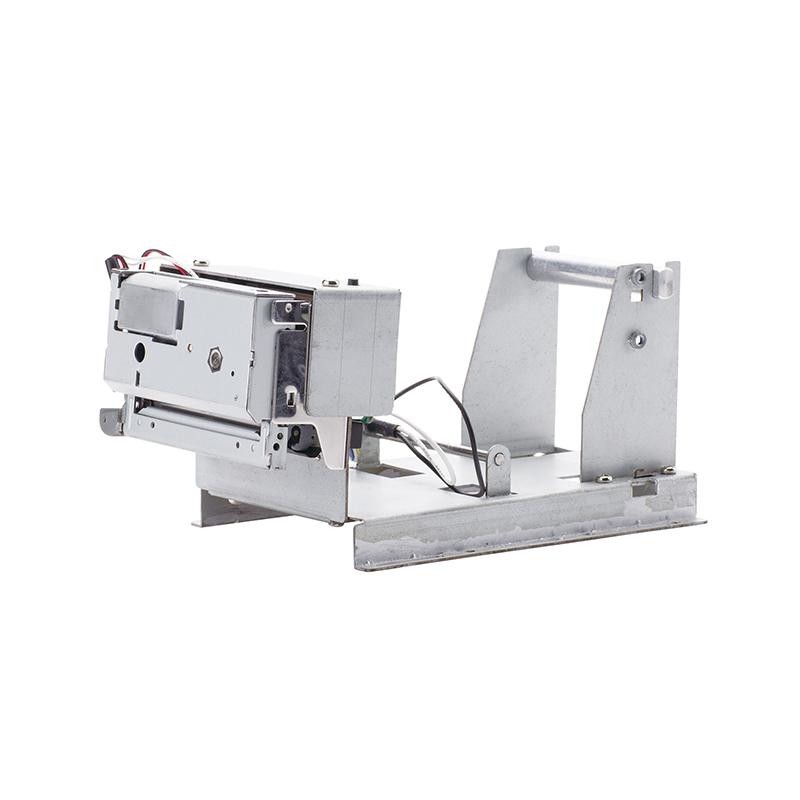 PM201 48mm Printing Module
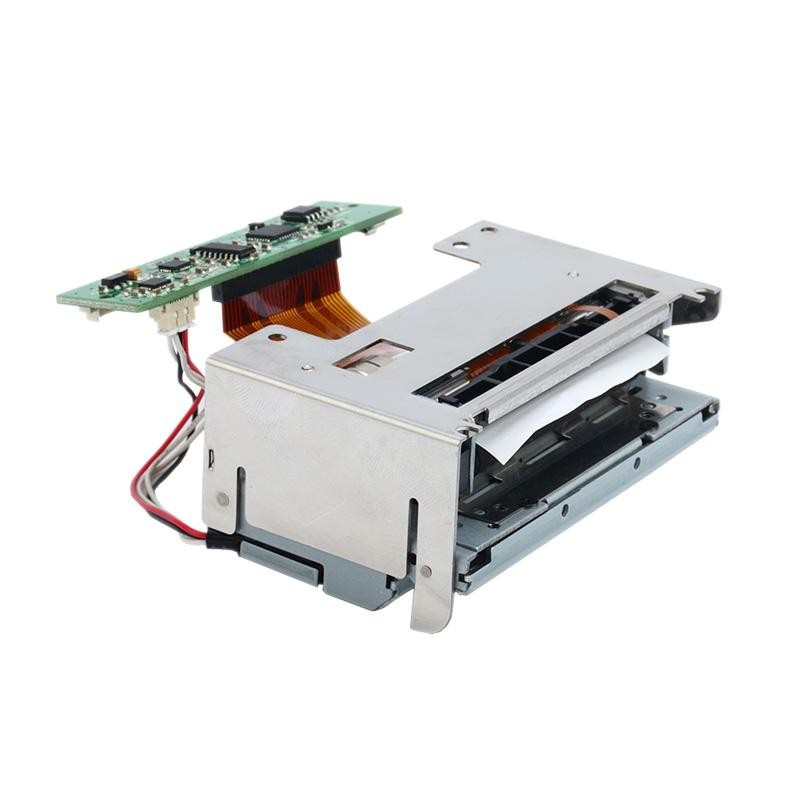 PM628 58mm printing module
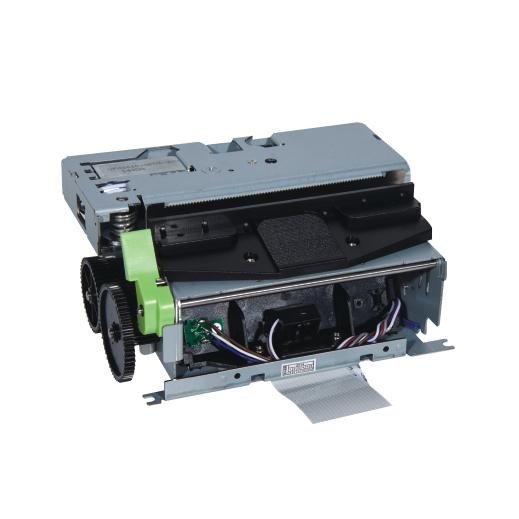 PM532A Printing Module
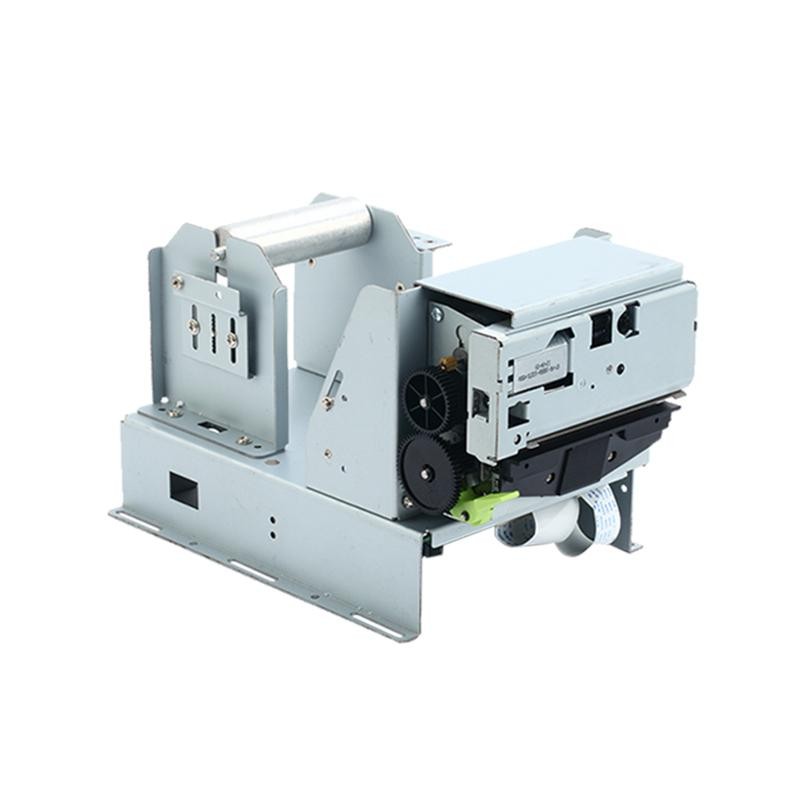 PM532B printer module
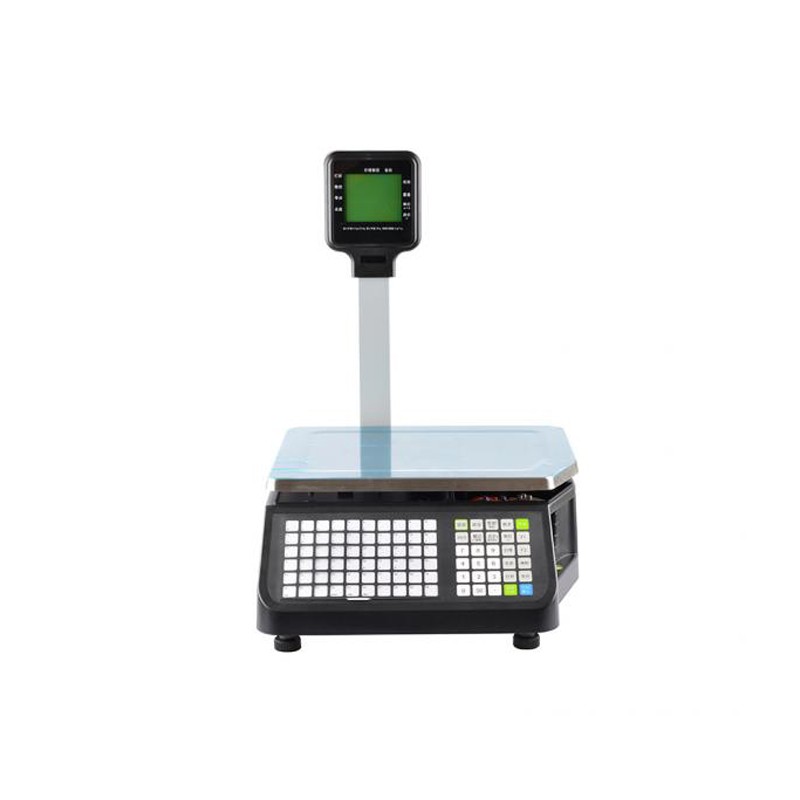 LS015/LS015A Barcode Scale
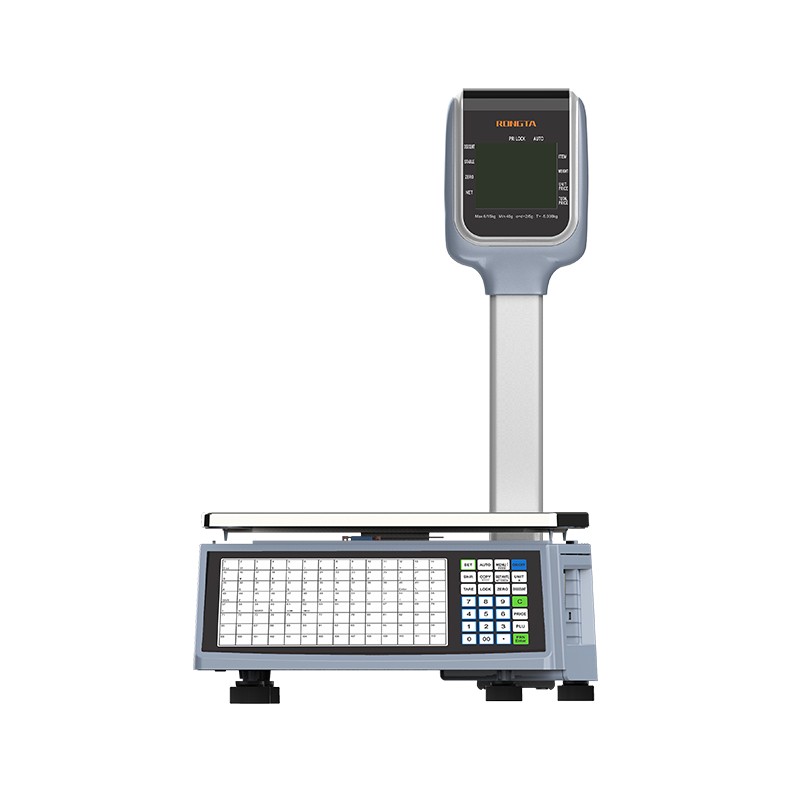 RLS1815D/RLS1830D Barcode Scale
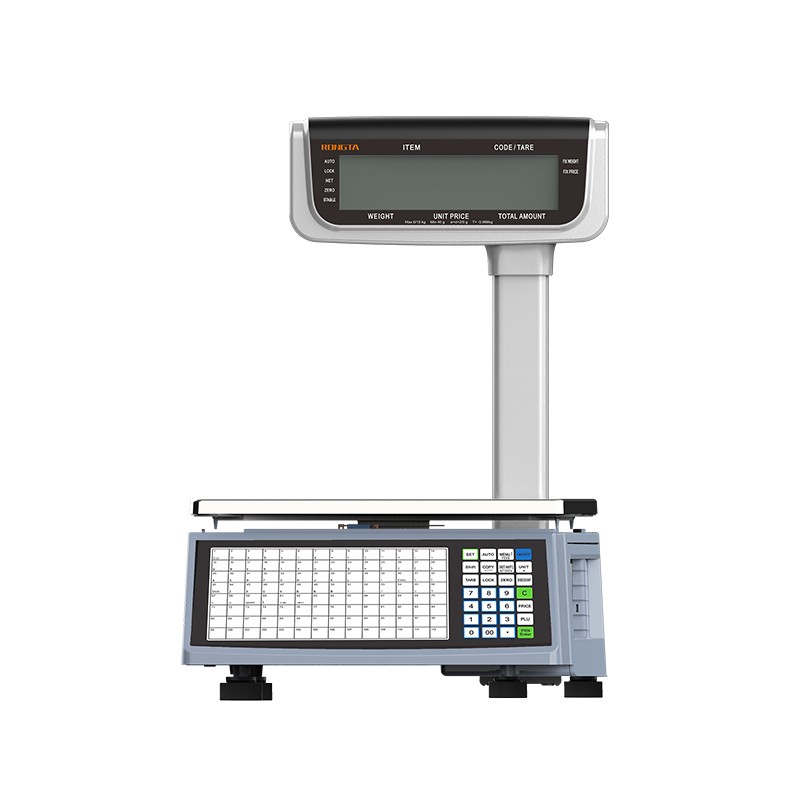 RLS1815C/RLS1830C Barcode Scale
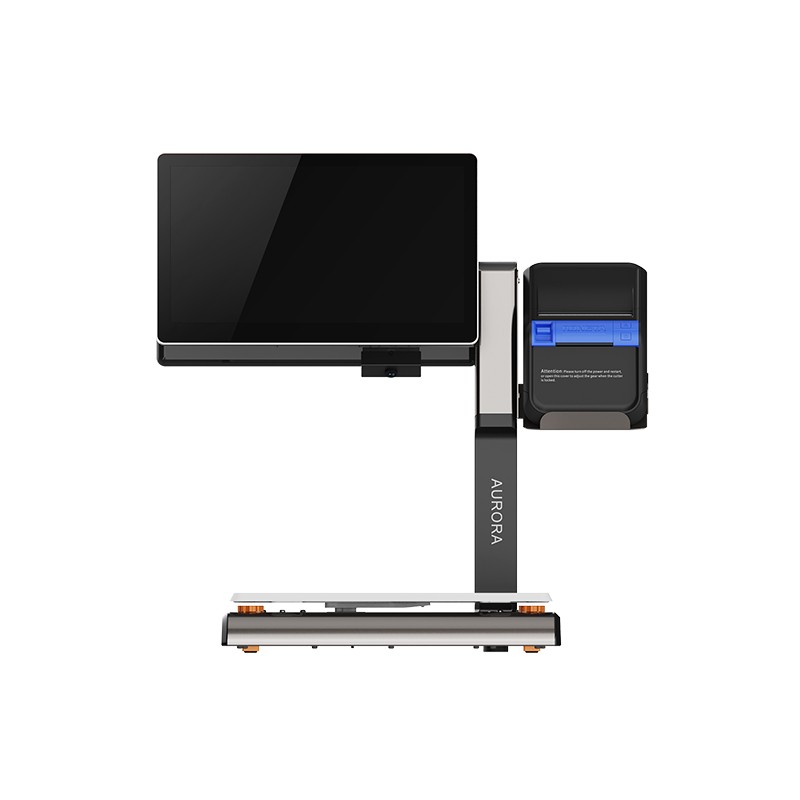 AURORA S2L-S Labelless Scale
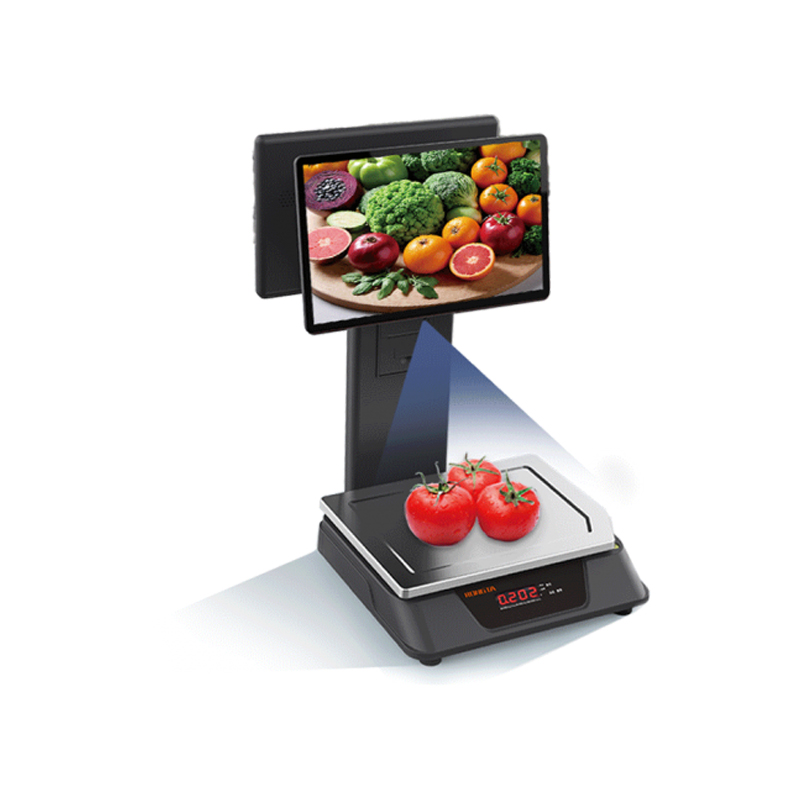 AURORA E1 PRO-AI Cash Register Scale
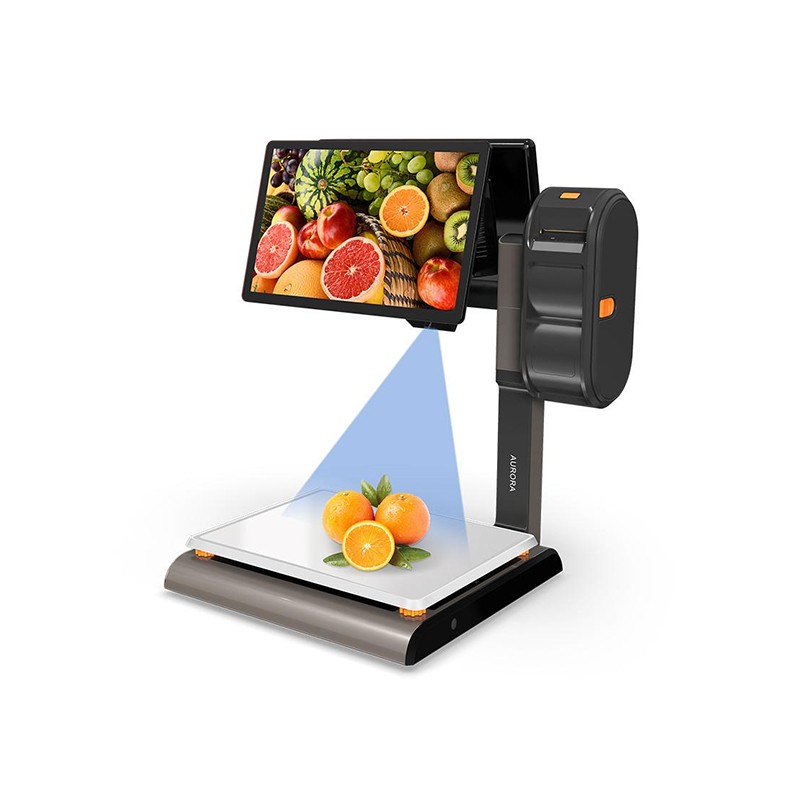 AURORA S2L-AI Label Scale
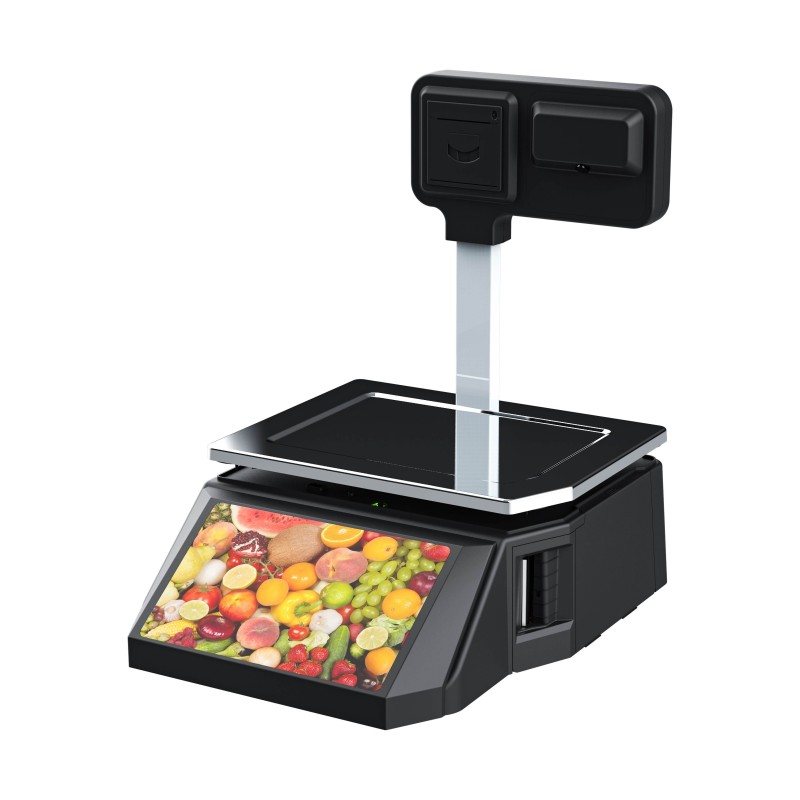 DP01-AI Smart Tag Cashier Dual-Use Scale
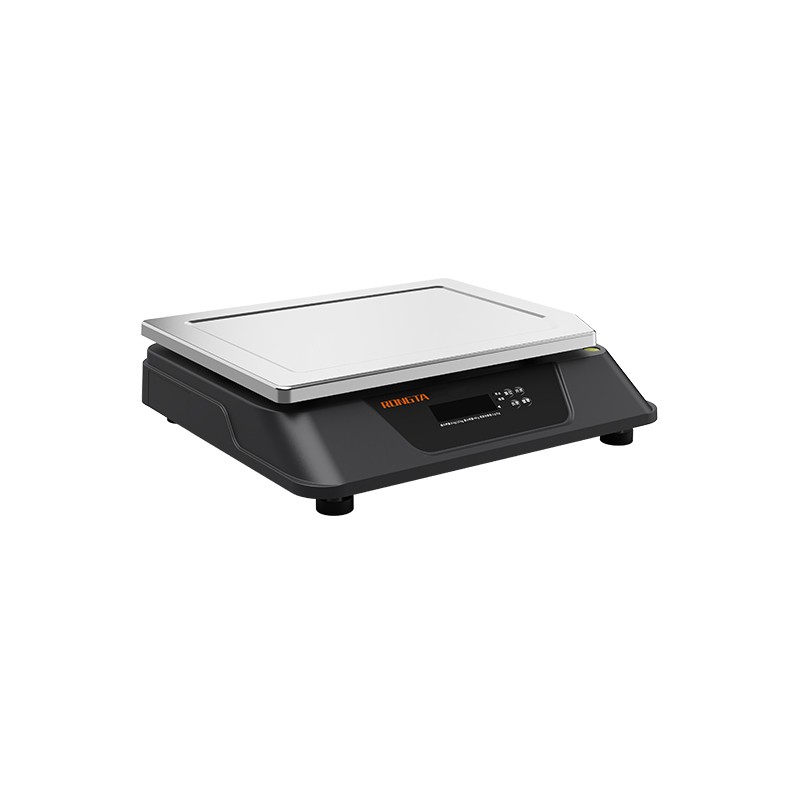 C3 Weighing Scale
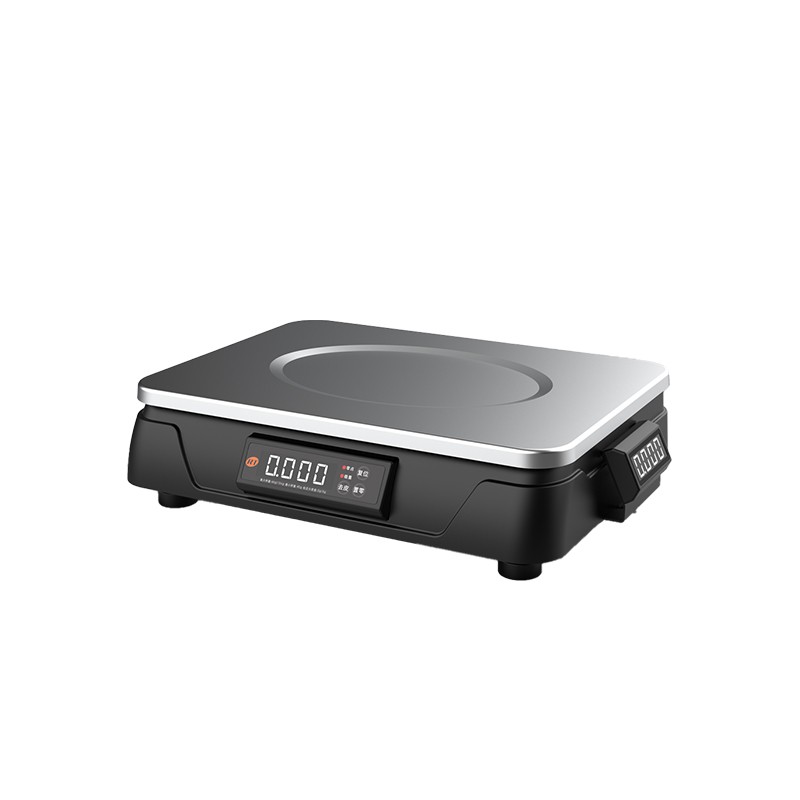 C1 weighing scale
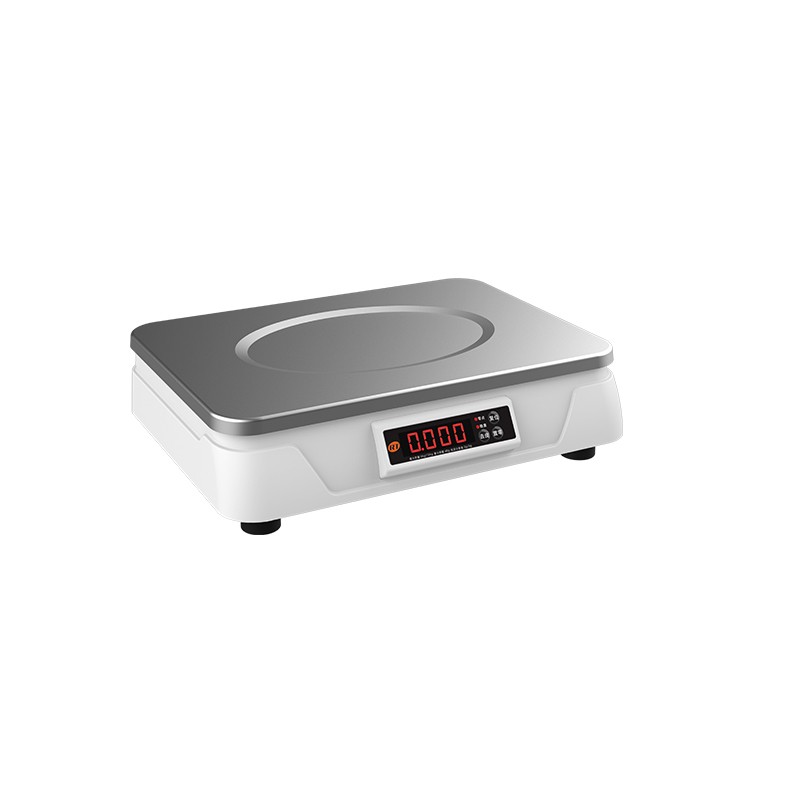 C11 Weighing Scale
 retail
 FOOD
FOOD Medical
 Mobile office/home
 asset Management
 logistics
 Driver download
 User Manual
 Tool Download
 Tag software
 Product Video
 Development Documentation
 Frequently Asked Questions
 User Guide
 Company News
 Exhibition Updates
 Industry Insights
 Product Update
 General situation
 Development history
 Honors and Qualifications
 R&D strength
 Team activities
 Social responsibility




Focusing on the current state of express delivery technology development, how can cutting-edge technologies contribute to the development of the express delivery industry?
[EO Intelligence Summary] Currently, technological innovation has achieved remarkable results in terms of streamlining the supply chain and achieving collaborative results, and has become a key support for promoting the transformation and upgrading of the express delivery industry and improving its quality and efficiency.
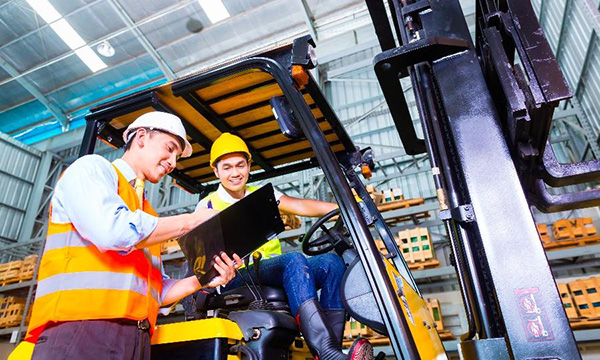
The express delivery industry is an important component of modern service industries, driving the transformation of distribution methods and promoting...Consumption upgradeA modern, pioneering industry. Express delivery technology is based on big data, cloud computing, the Internet of Things, and...AIRobotics and other chassis technologies are used in intelligent hardware equipment and software systems for express delivery activities. By leveraging express delivery technology, the collaboration between humans and machines, and between machines themselves, can be deepened, improving the digitalization, automation, and intelligence of the entire express delivery system. This accelerates the efficient and smooth flow of information and materials, thereby promoting the high-quality and sustainable development of the express delivery industry, effectively reducing delivery costs, and improving operational efficiency.
Current Status of Express Delivery Technology Development
Currently, express delivery activities are mainly divided into two operational chains: third-party express delivery starting from C-end users and warehousing and distribution express delivery starting from B-end e-commerce. Express delivery technology has multiple penetrations and is widely used in five major application scenarios: front-end pickup, warehousing/transfer, transportation, last-mile delivery, and information management.
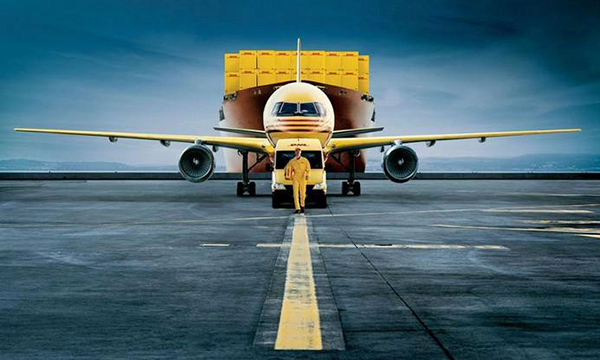
In recent years, driven by leading express delivery companies such as UPS, DHL, and SF Express, e-commerce and internet companies such as Amazon, JD.com, and Alibaba, and third-party technology companies, robotics and automation technology, drone technology,Green packaging technologyWith the rapid development of technologies such as big data, the Internet of Things, and cloud computing, artificial intelligence has also emerged.unmannedEmerging technologies include wearable devices, 3D printing, and AR/VR. Among these, robotics and automation, and green packaging have been widely adopted in Europe and the United States, and their application in China's express delivery industry has been accelerating in recent years. Big data and IoT technologies are relatively mature, and the two are mutually supportive, applied to scenarios such as demand forecasting, route planning, and product traceability. Drones are expected to see large-scale application in the next 3 to 5 years. Artificial intelligence, autonomous driving, wearable devices, 3D printing, and AR/VR technologies are still in the research and testing stage.
The development of express delivery technology is uneven across different regions. For example, in the field of robotics and automation, the United States, Japan, and Europe are at the forefront of the world; while in the field of drones, China has developed rapidly and has transformed from a "follower" to a "leader".
Express delivery technology is widely used in all aspects, resulting in numerous achievements such as global hubs and transshipment centers, world-class standard unmanned warehouses, route planning, and new unmanned delivery models.
Cutting-edge technologies in express delivery
Drone technology is relatively mature, offering advantages such as flexibility, low operating costs, simple deployment, strong adaptability to external environments, and lack of terrain limitations. Essentially, a drone is an aerial vehicle, its natural advantage being its ability to move directly in three-dimensional space, regardless of two-dimensional road conditions. Therefore, drones must collaborate with other intelligent devices to move tasks previously constrained by the ground to the air, achieving seamless integration of air and ground.
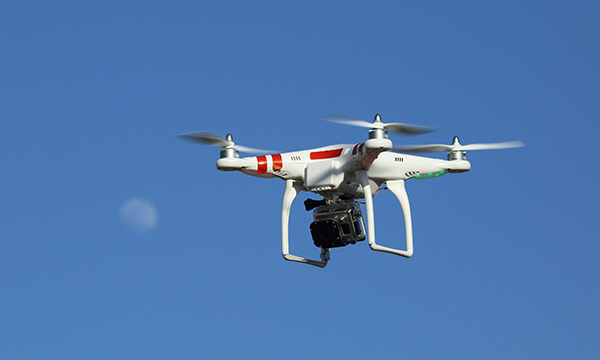
In the "drone + vehicle" model, trucks serve as mobile delivery centers, complementing drones to form a parallel, mobile, and collaborative last-mile delivery solution. The trucks are equipped with small take-off and landing platforms on their roofs. Once a drone receives a delivery instruction, it can autonomously plan its flight path for delivery; simultaneously, couriers can make manual deliveries before moving on to the next location. After completing its delivery, the drone automatically returns to the truck to recharge. In February 2017, UPS combined trucks with drones, reducing the daily mile traveled by one mile for 66,000 delivery vehicles, resulting in annual savings of $50 million.
The "drone + RFID" model combines the spatial flexibility of drones with the advantages of RFID, such as contactless operation, penetration, and rapid batch transmission, breaking the constraints of altitude and item-by-item scanning. This creates a flexible, efficient, and low-cost new solution for warehouse inventory management. Last December, Changan Minsheng Logistics officially launched its vehicle drone inventory system, enabling drones to inspect and scan all RFID tags on vehicles within the vehicle yard for rapid inventory management, achieving 100% accuracy and a 300% increase in efficiency.
The "drone + smart locker" model achieves seamless ground-to-air connectivity, representing a new breakthrough in last-mile delivery technology. The smart locker acts as a buffer platform between the drone and the user, enabling fully automated drone delivery. First, the smart locker assists the drone in precise landing, automatically handling package loading, unloading, sorting, and placement in the designated compartments, as well as charging the drone's battery. Users simply verify their identity via facial recognition to retrieve their packages. Simultaneously, after a user delivers a package, the smart locker automatically weighs it and generates a waybill, which the drone then retrieves, achieving self-service delivery. The entire operation of the smart locker can be monitored and intervened in real-time via a remote network, requiring no manual intervention and truly realizing automated and unmanned drone delivery. Last November, SF Express's drone delivery lockers were officially launched in Nankang, Ganzhou, Jiangxi Province.
The current problems with drone technology are as follows: First, battery technology is a bottleneck restricting the expansion of application scenarios, and the issues of unconditional cruise duration and effective flight distance need to be addressed; second, the domestic large-scale civilian drone industry is still in its infancy. Although the industry demand is strong and the market potential is huge, the entire industrial chain has not yet been formed, and the research and development and trial operation costs are huge in the short term, putting ordinary private enterprises under considerable pressure; third, laws and policies need to be improved; and fourth, there are potential safety issues associated with drones.