

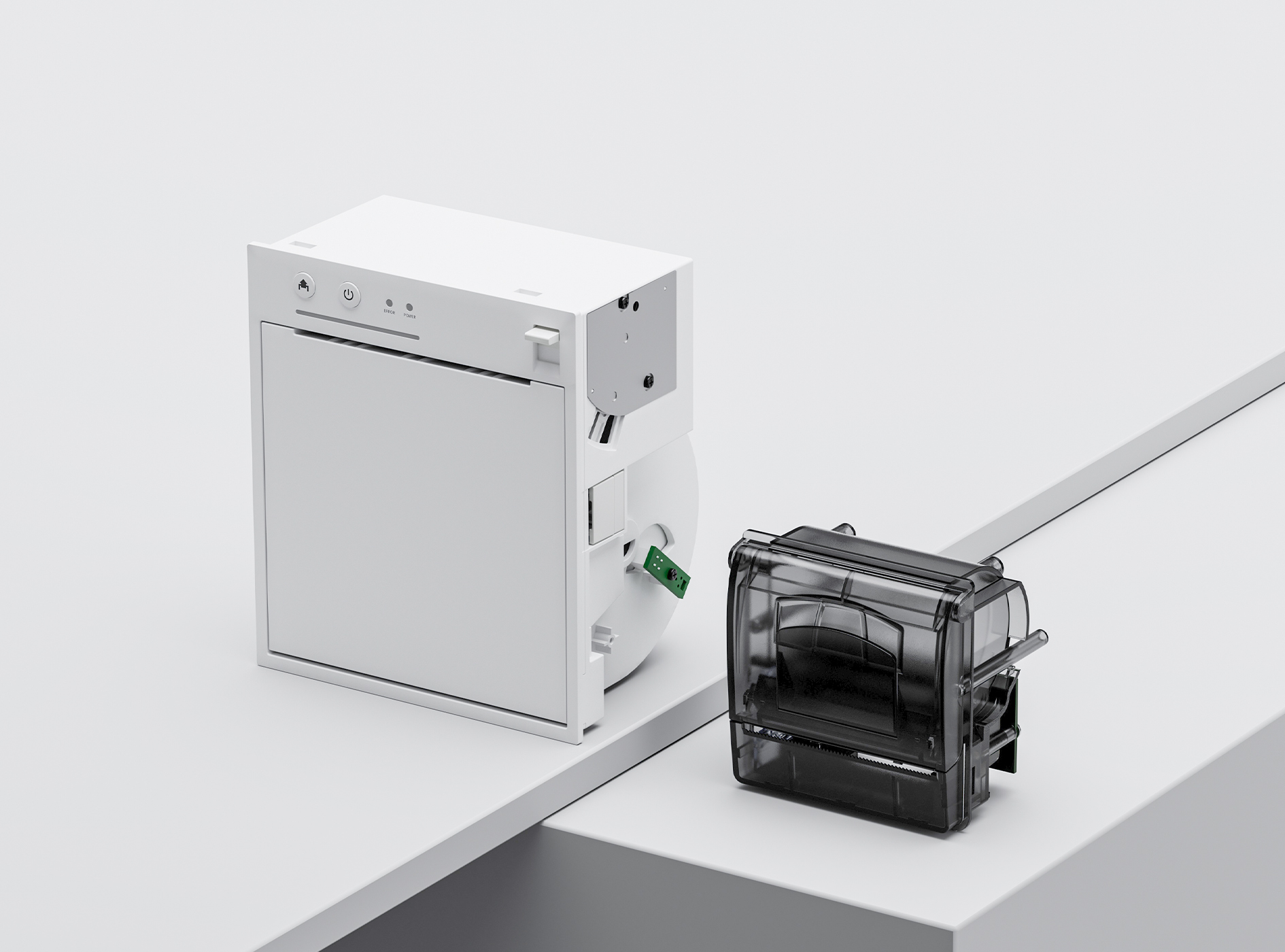
 80mm Receipt Printer
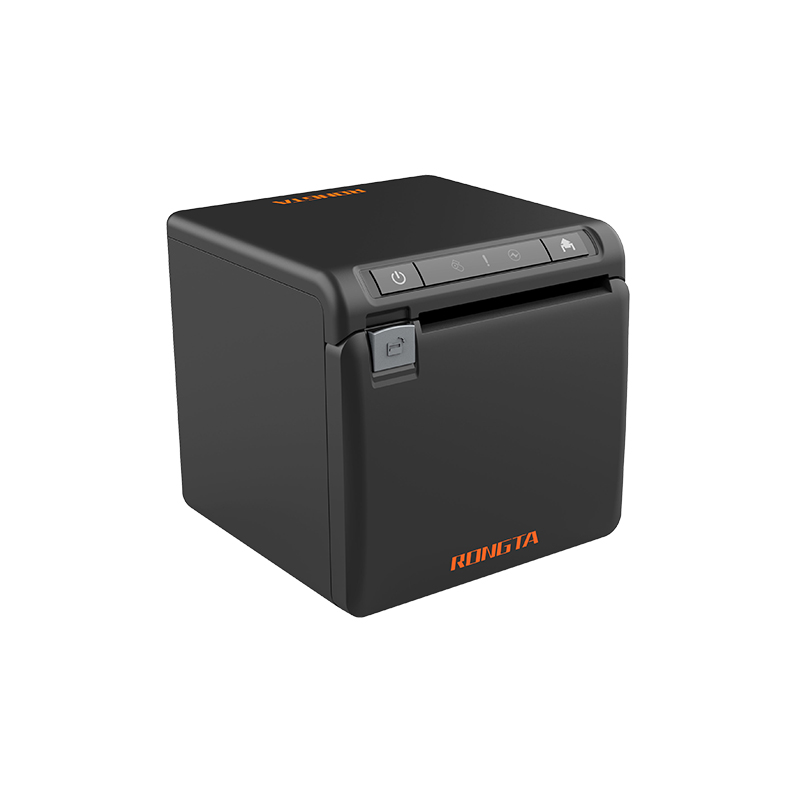 ACE H2 Receipt Printer
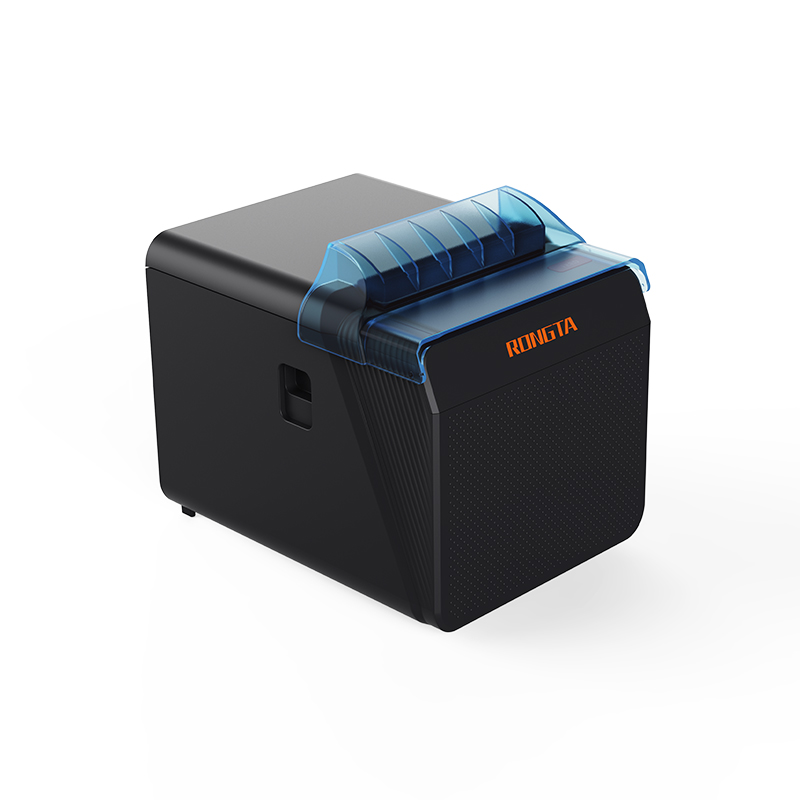 RP337 Receipt Printer
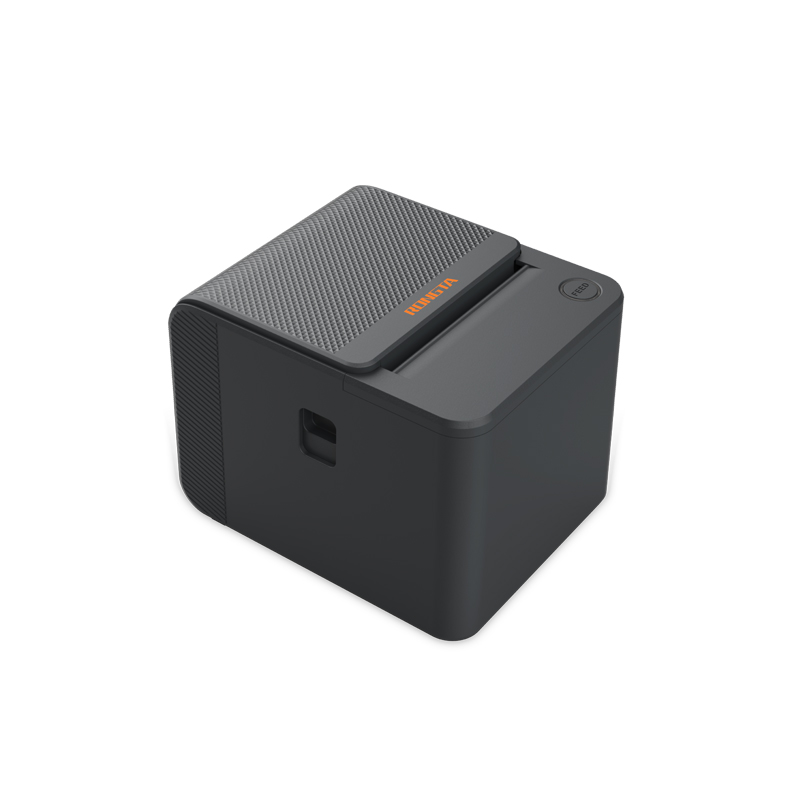 RP336S Dual-Color Receipt Printer
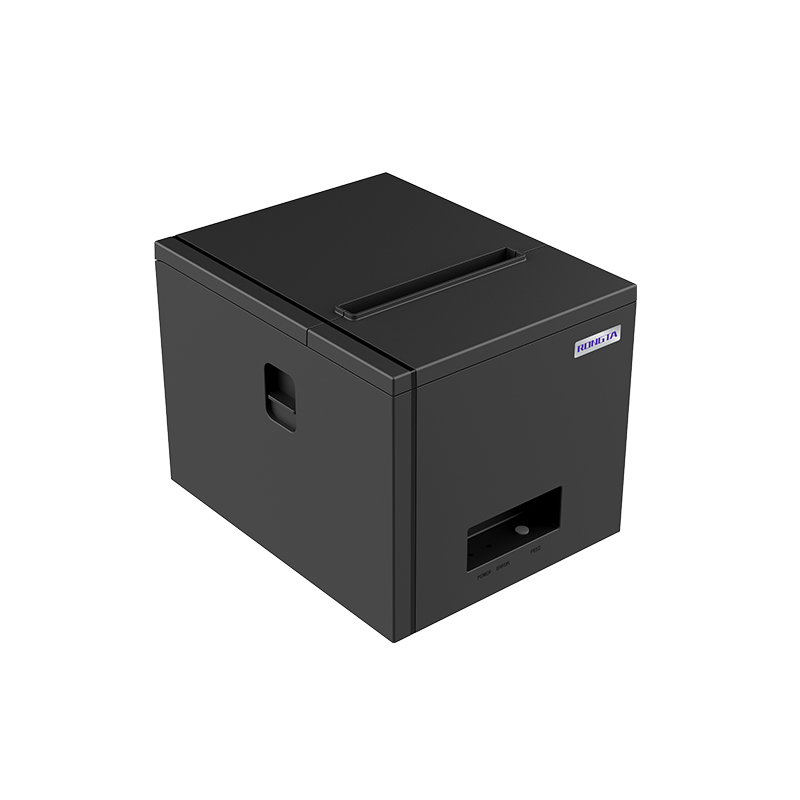 RP350 Receipt Printer
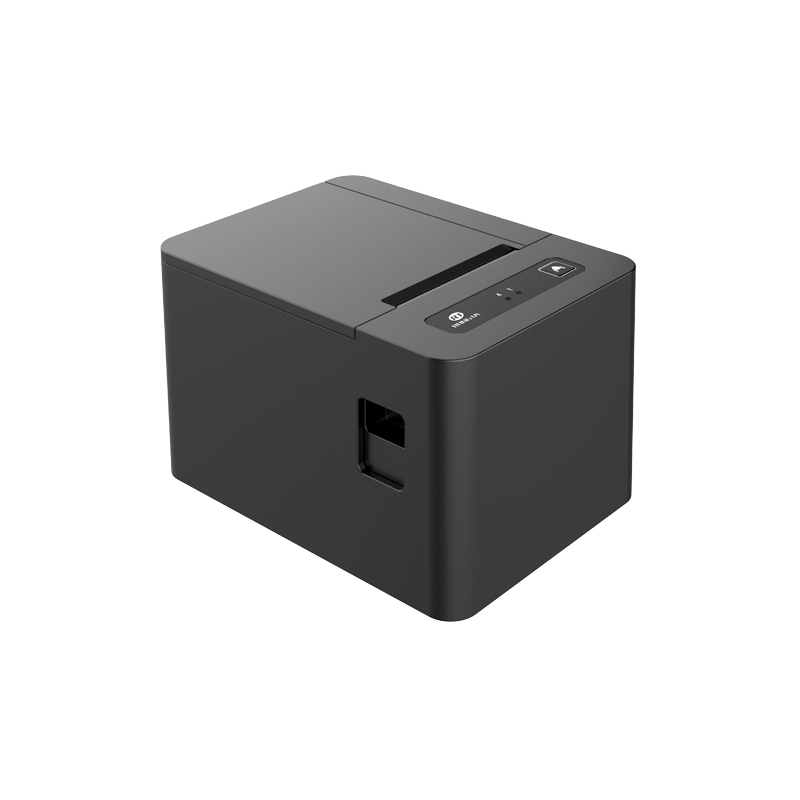 RP582 Receipt Printer
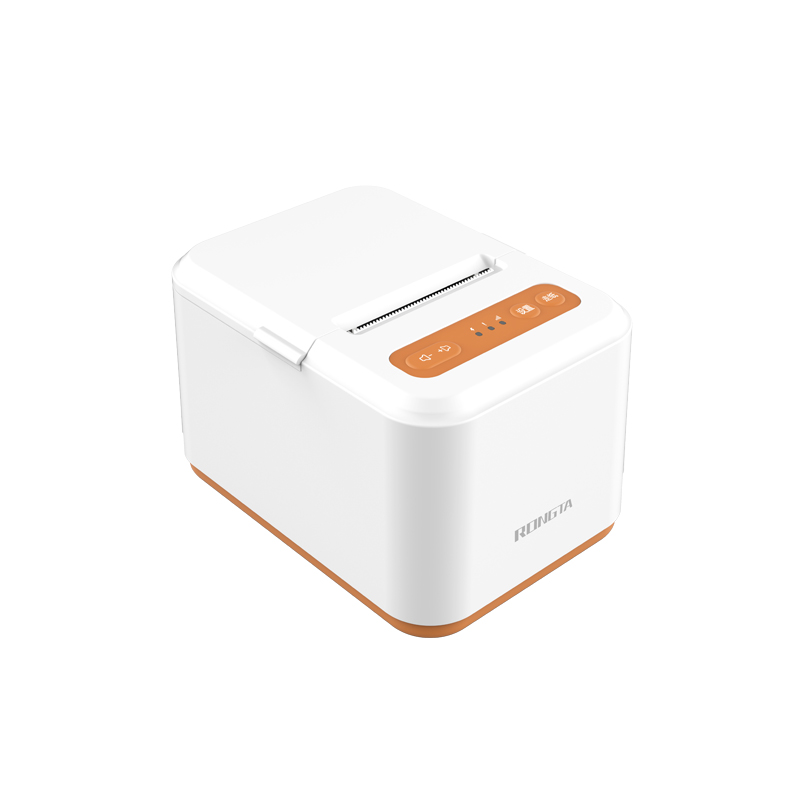 RP581 Receipt Printer
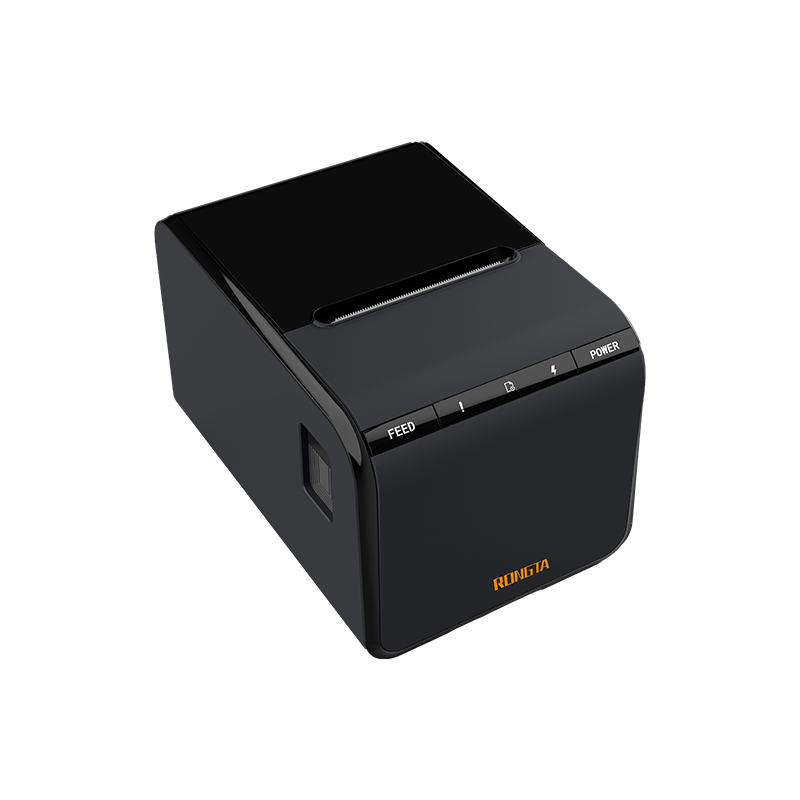 ACE G1Y Receipt Printer
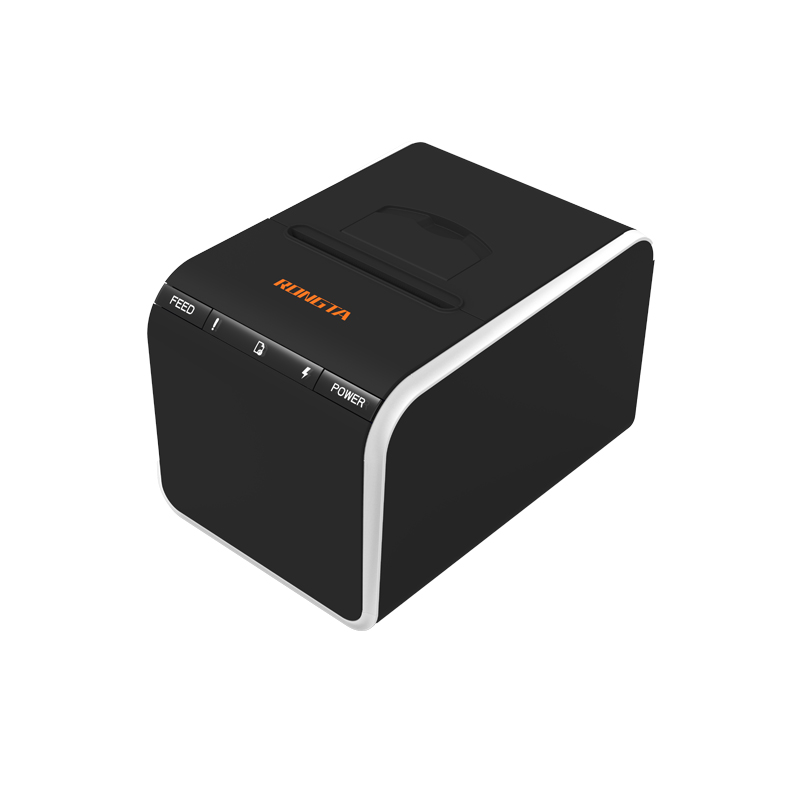 ACE G1YP Cloud Printer
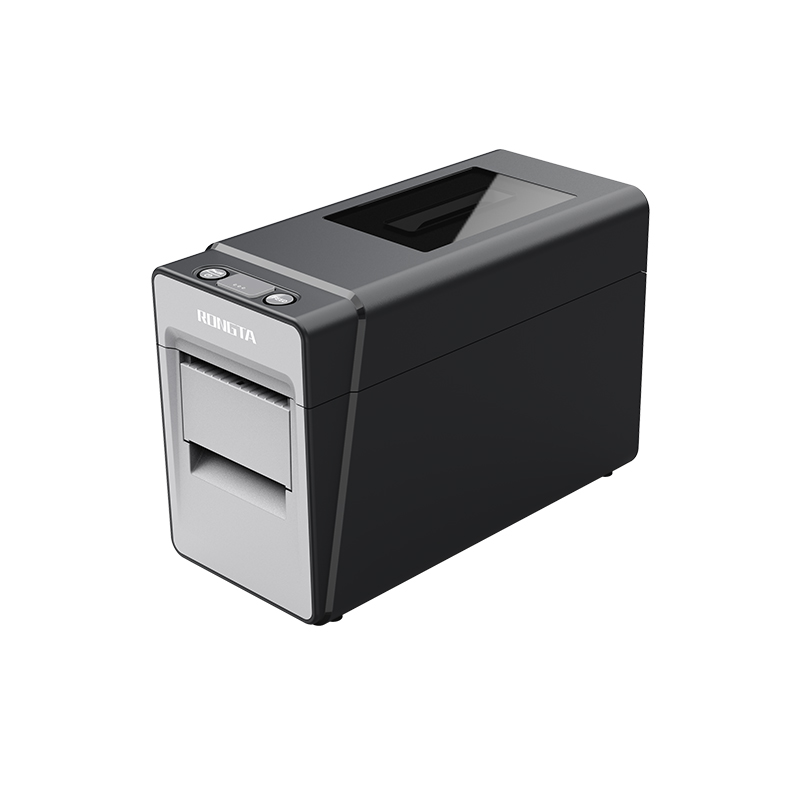 RP216 2'' Dual-color High-definition Label Printer
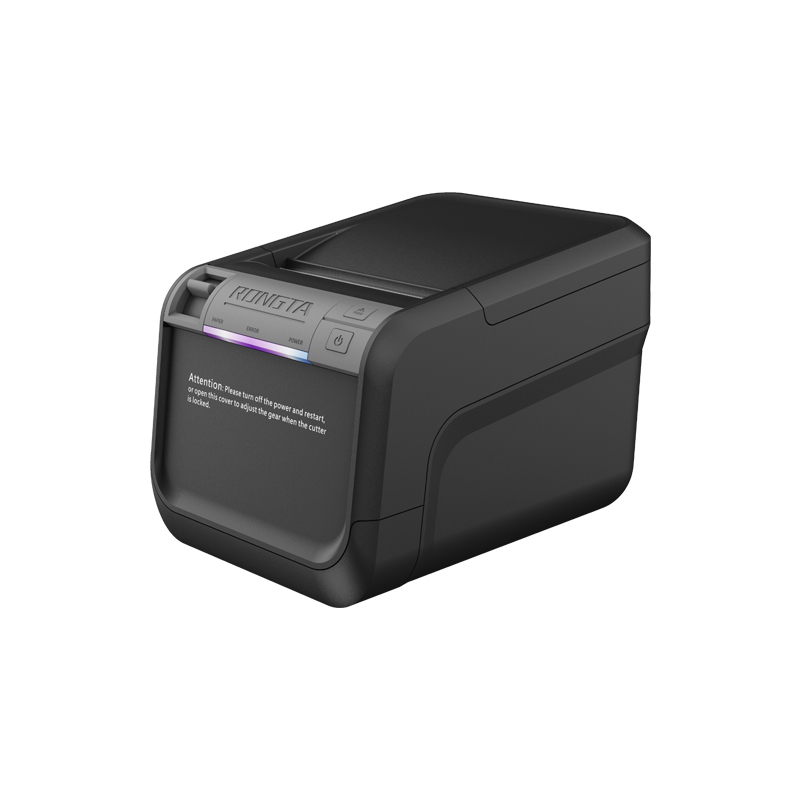 ACE V1S 3'' Backless Label Printer
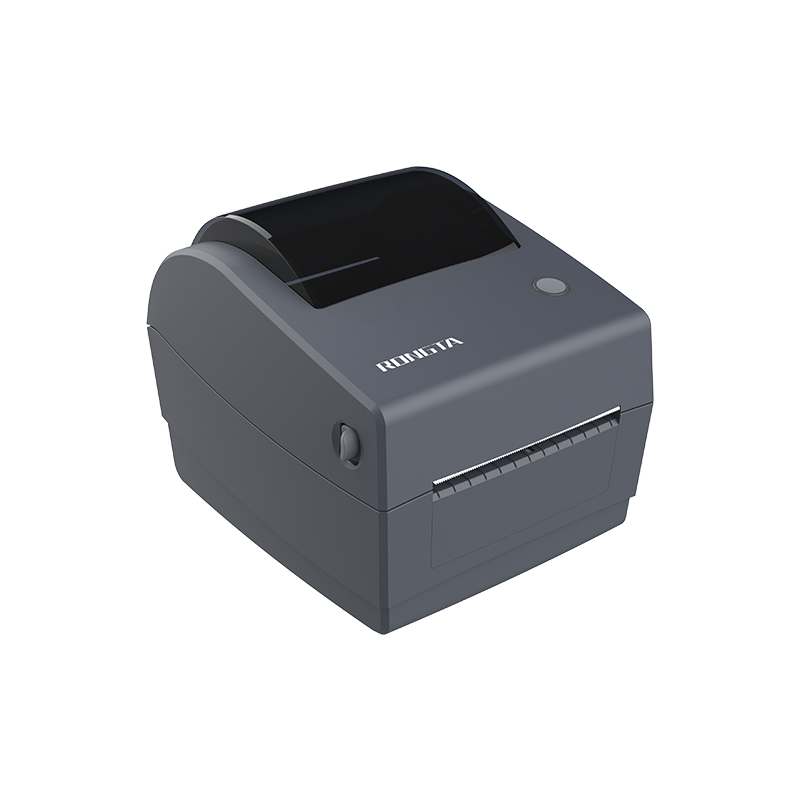 RP310D 3'' Dual-color Label Printer
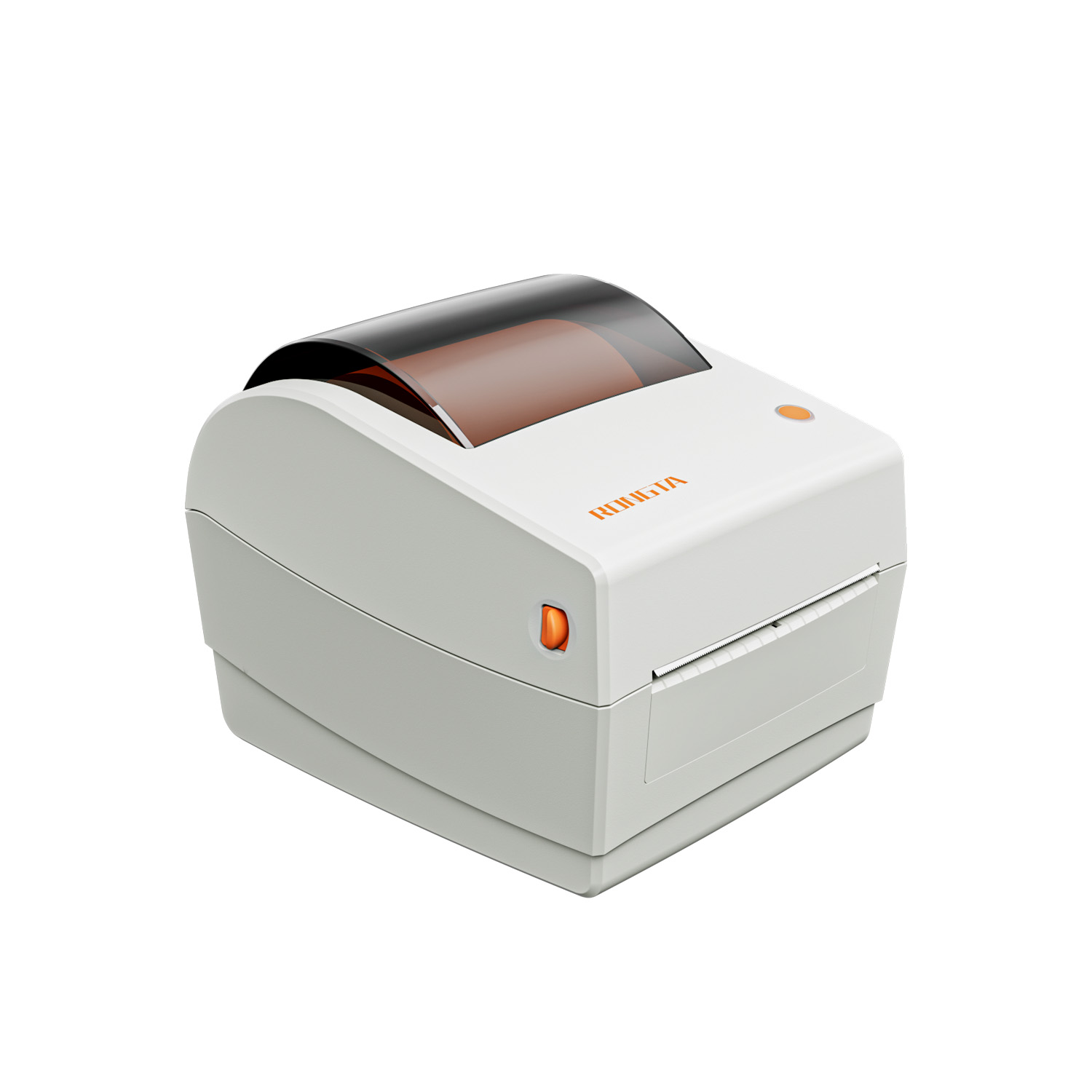 RP410N 4'' Thermal Label Printer
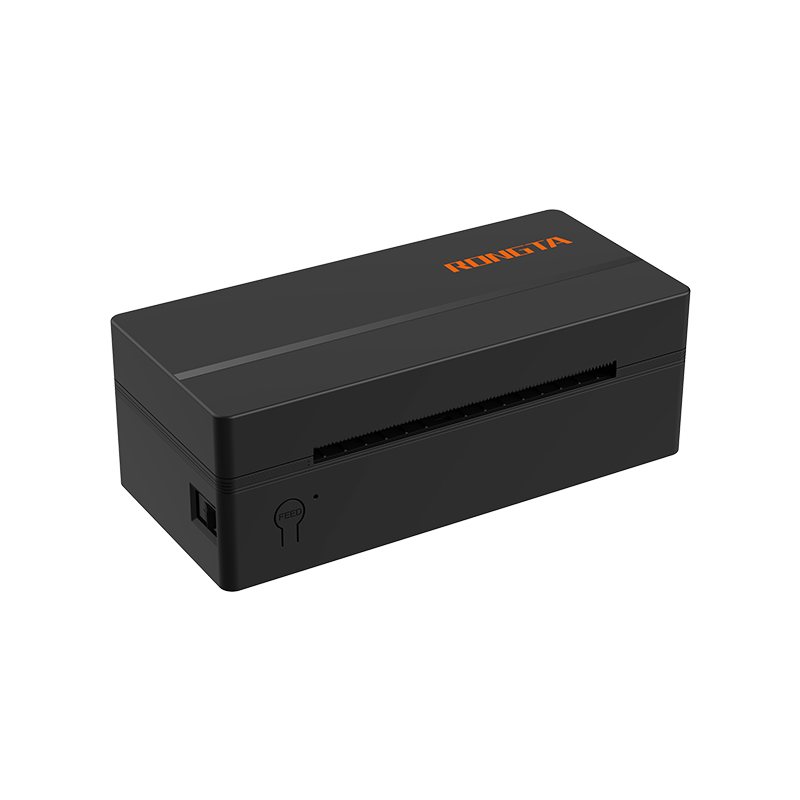 RP425 4'' Electronic Waybill Printer
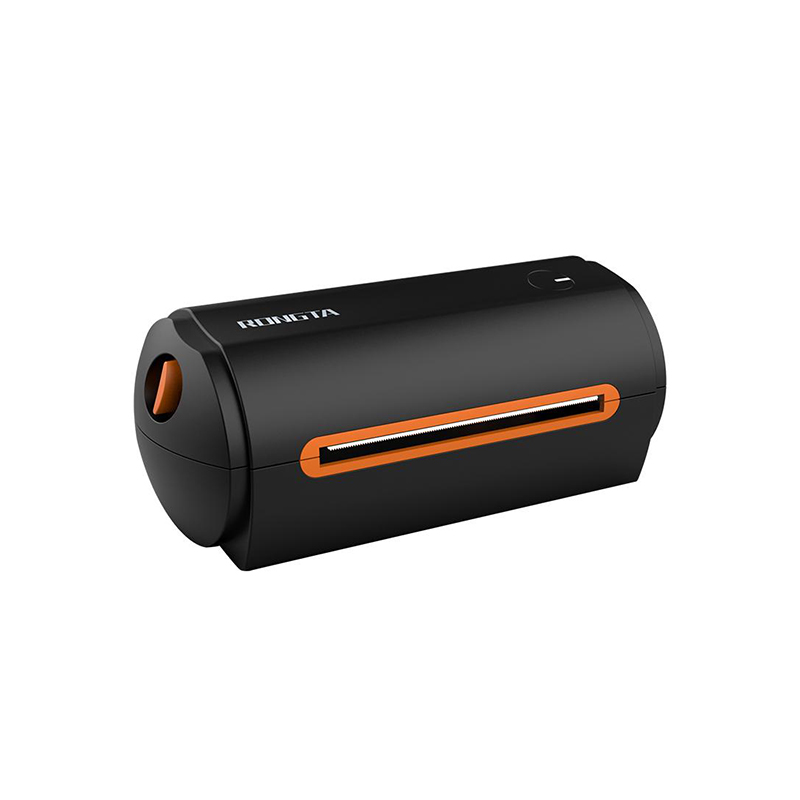 RP422 4'' Electronic Waybill Printer
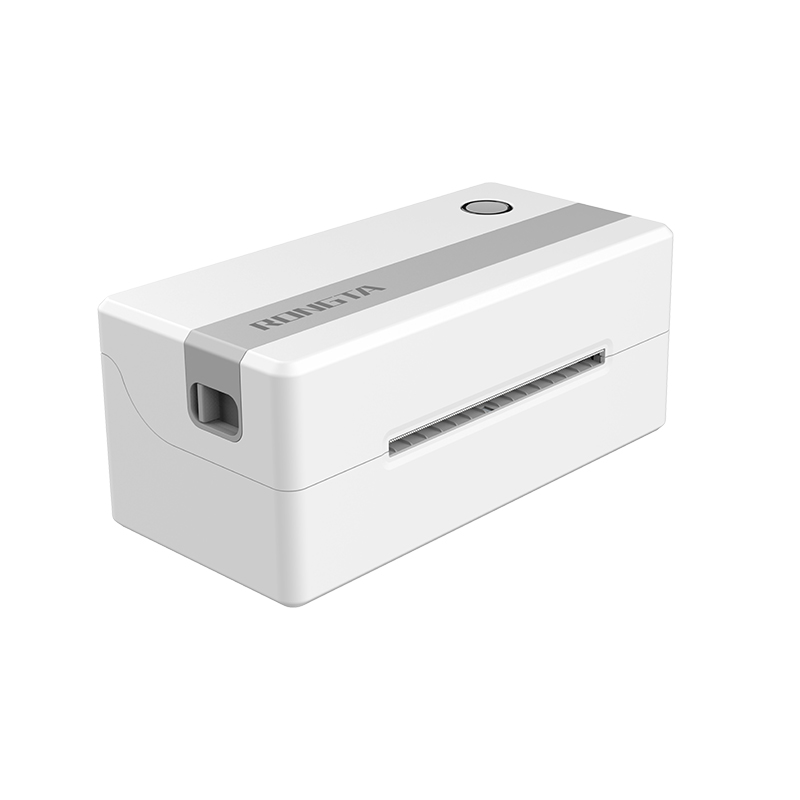 RP421A 4'' Electronic Waybill Printer
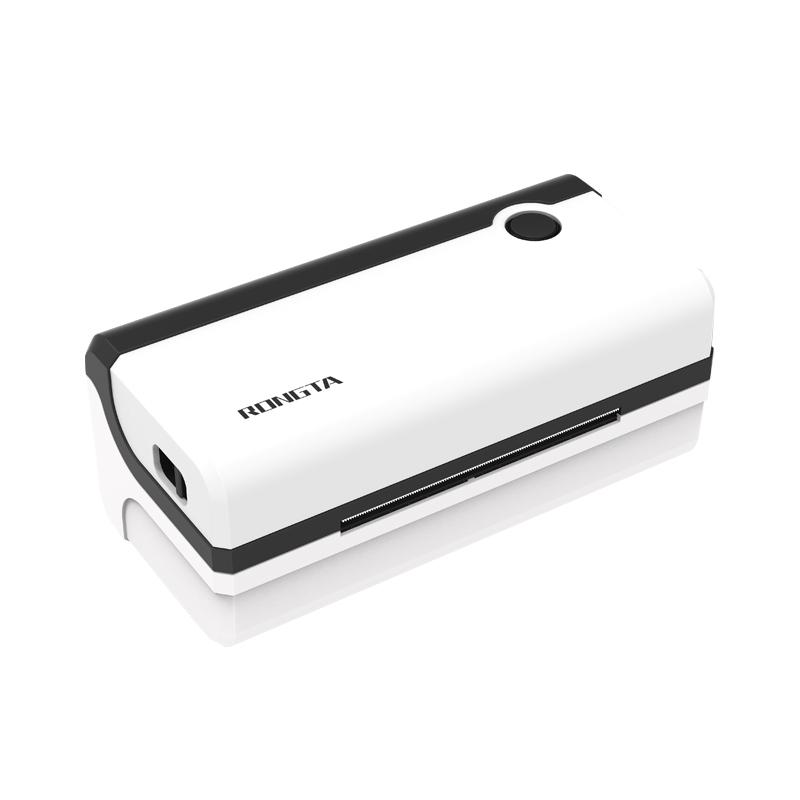 RP420 4'' Electronic Waybill Printer
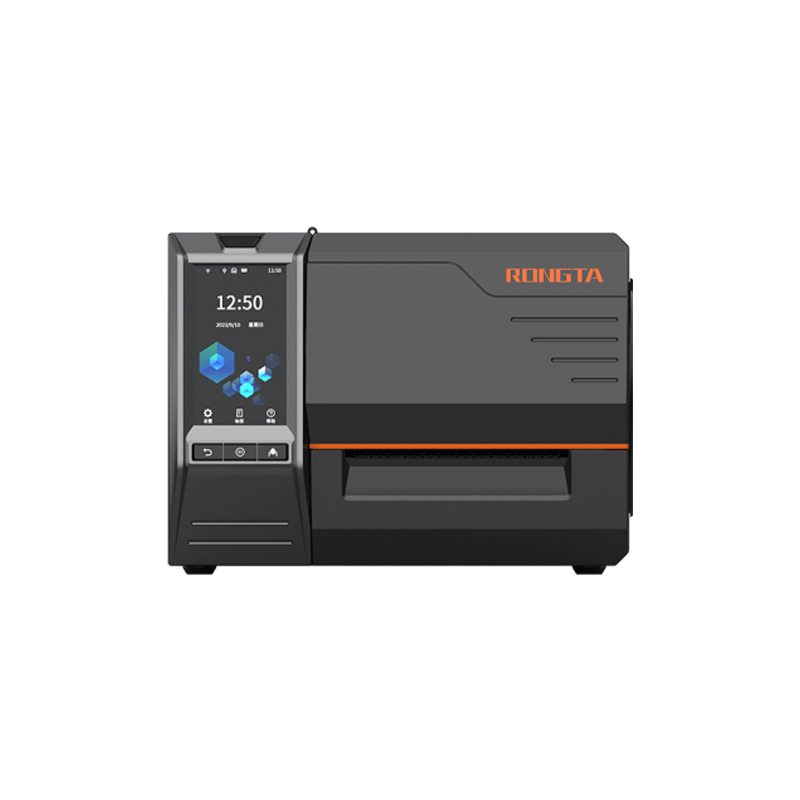 RI463 Series Barcode Printers
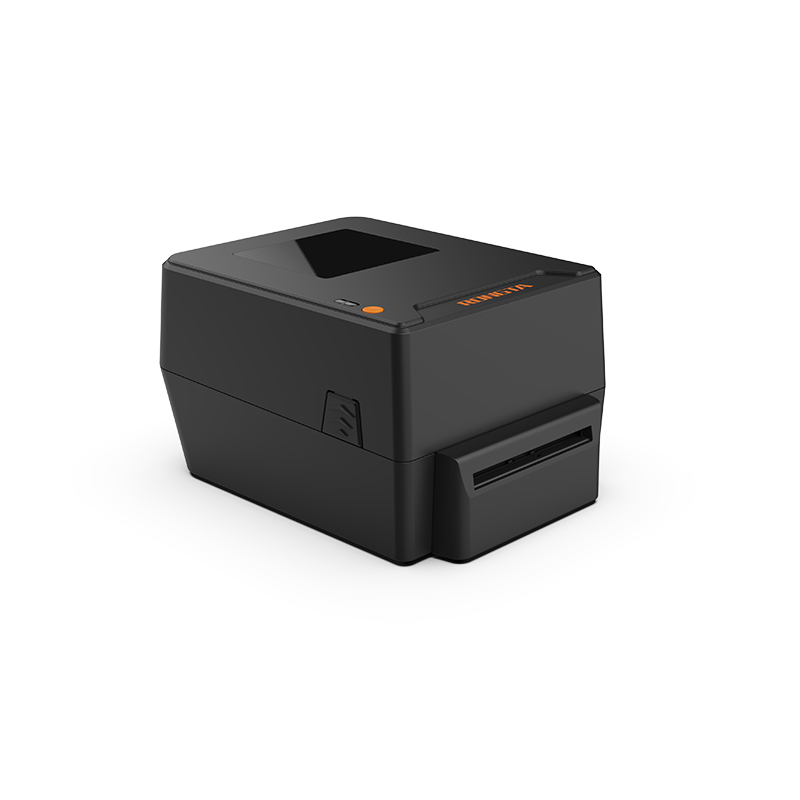 RP400A 4'' Thermal Transfer Tape Cutter Printer
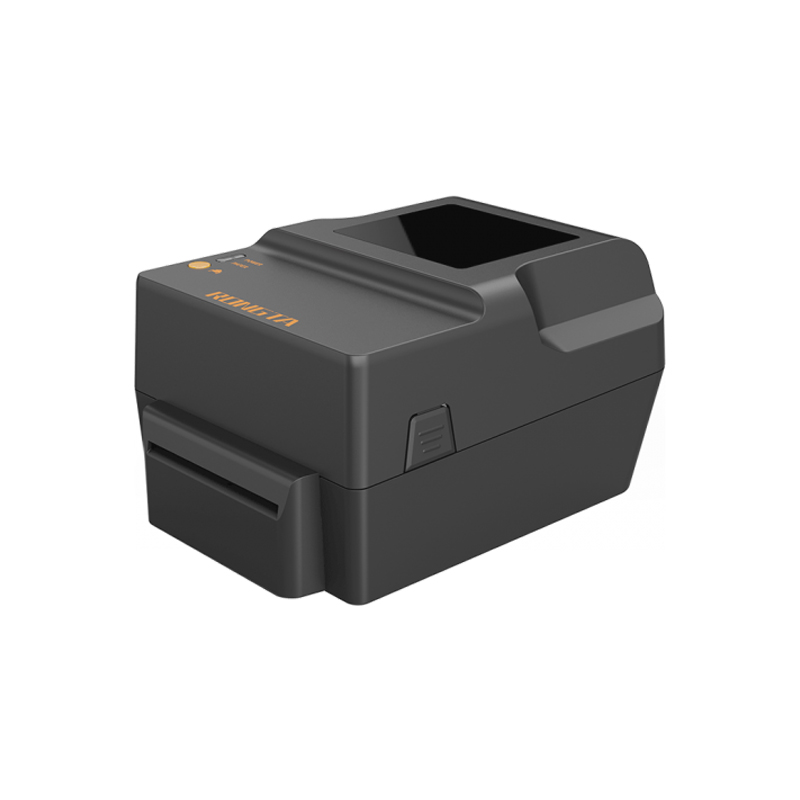 RP400H 4'' Thermal Transfer Tape Cutter Printer
 RPF413 300dpi RFID barcode label printer
 RPP02A Portable Receipt Printer
 RPP02B Thermal Portable Printer
 RPP02C Portable Receipt Printer
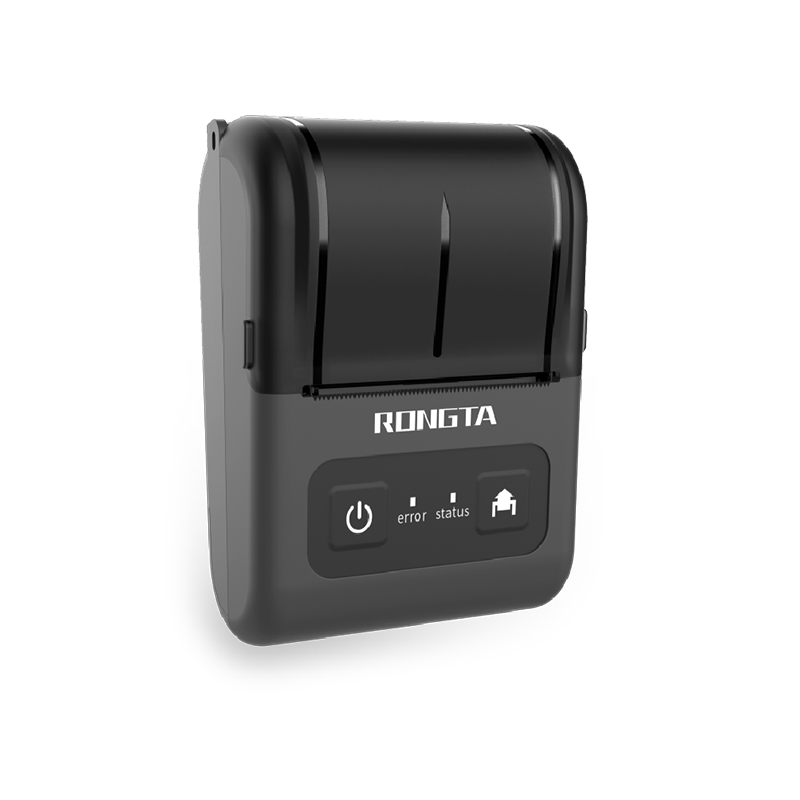 RPP02D Thermal Portable Printer
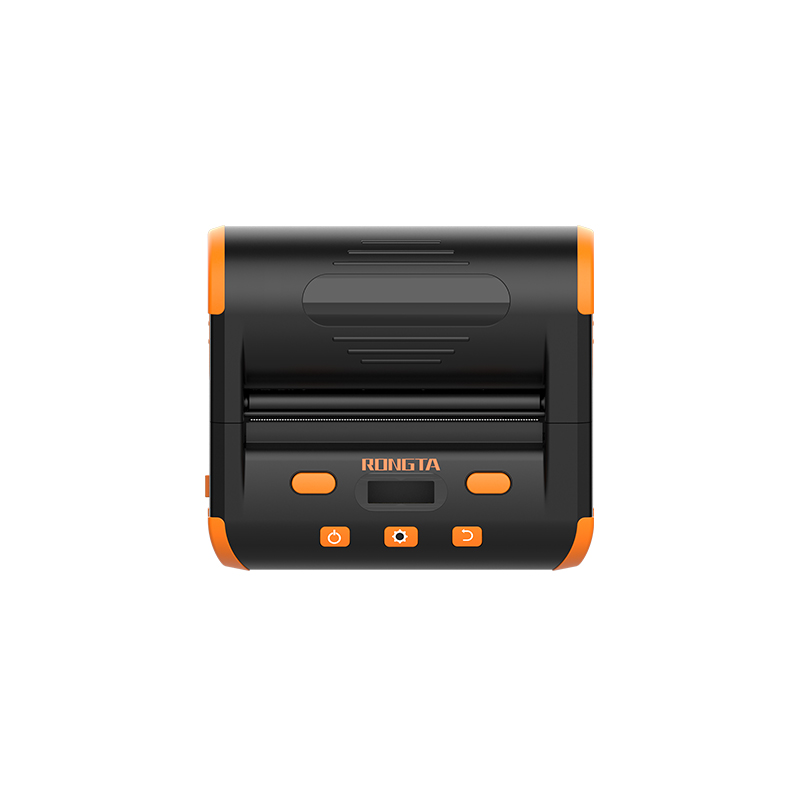 RPP04 4" Portable Label Printer
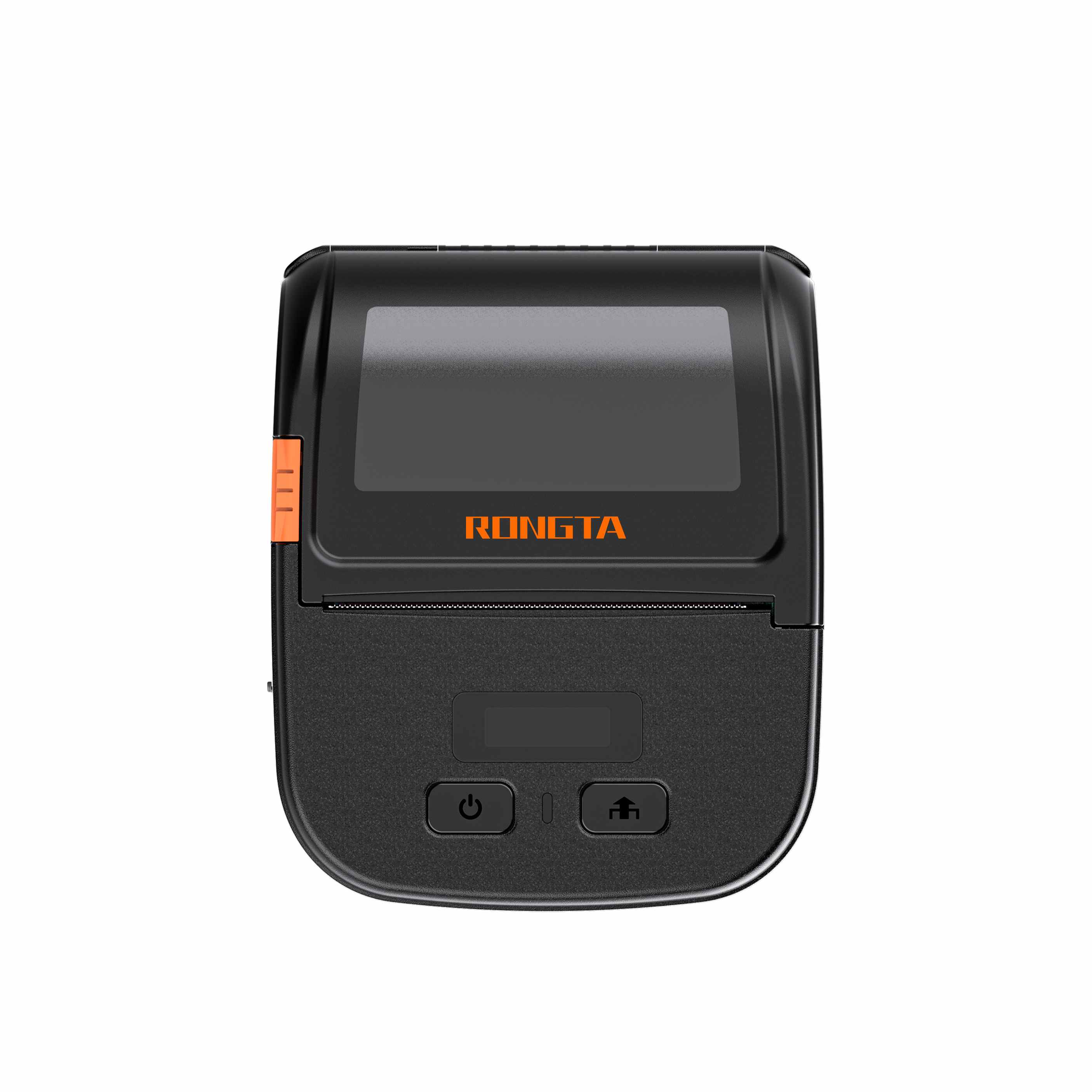 RPP30 3" Portable Label Printer
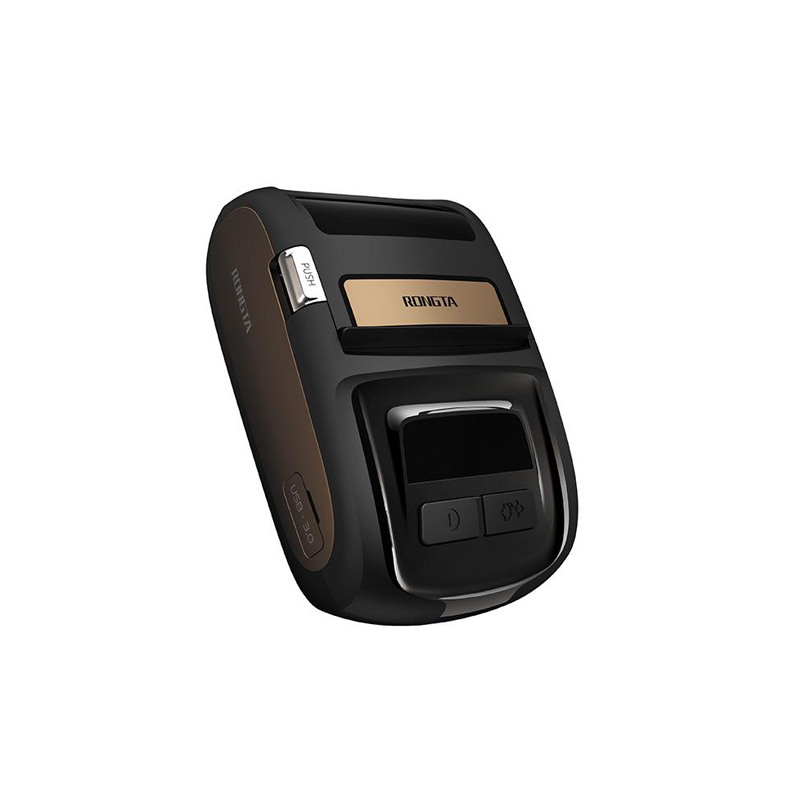 ACE M1 2" Portable Label Printer
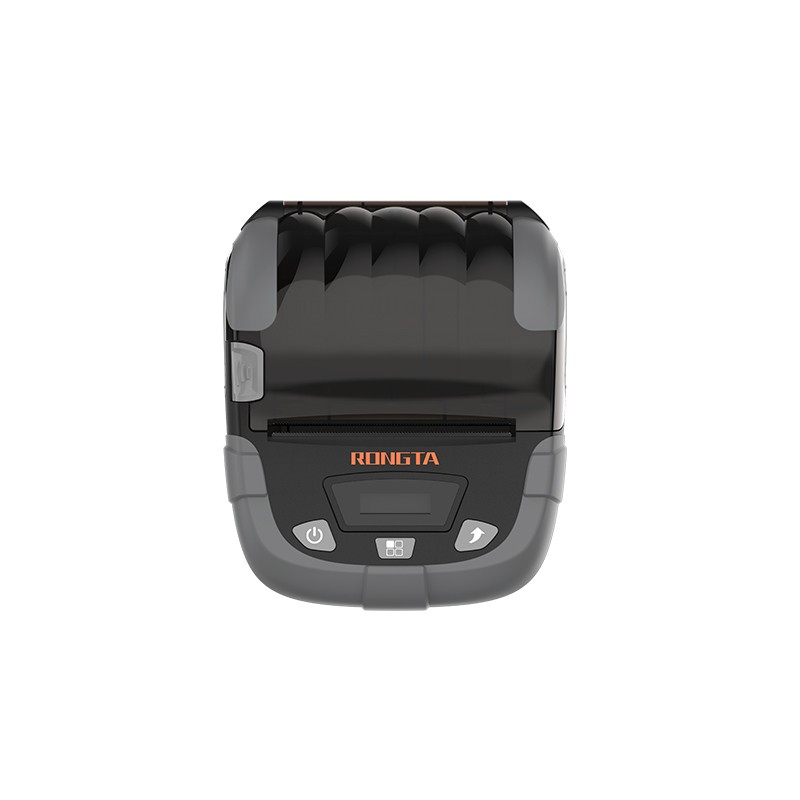 RPP320N 3" Portable Label Printer
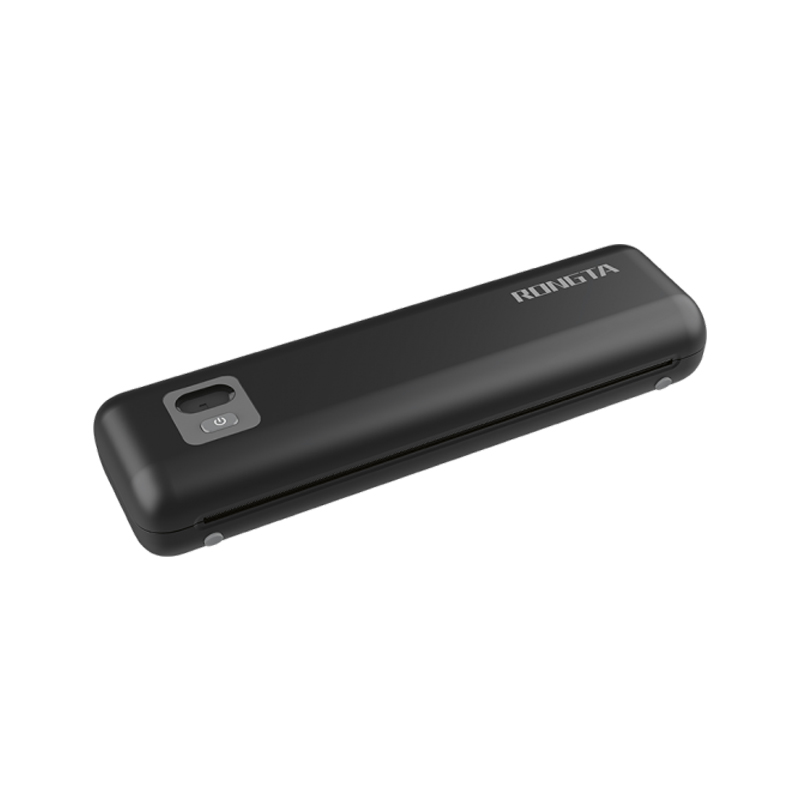 F82A A4 Front-Out Paper Tray Thermal Printer
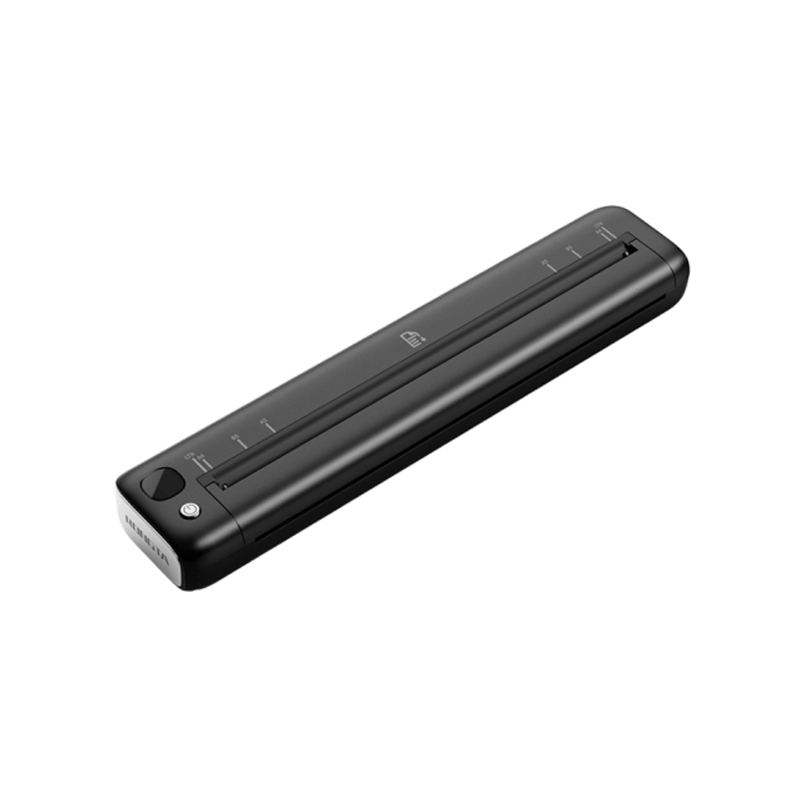 F81A Portable A4 Thermal Printer
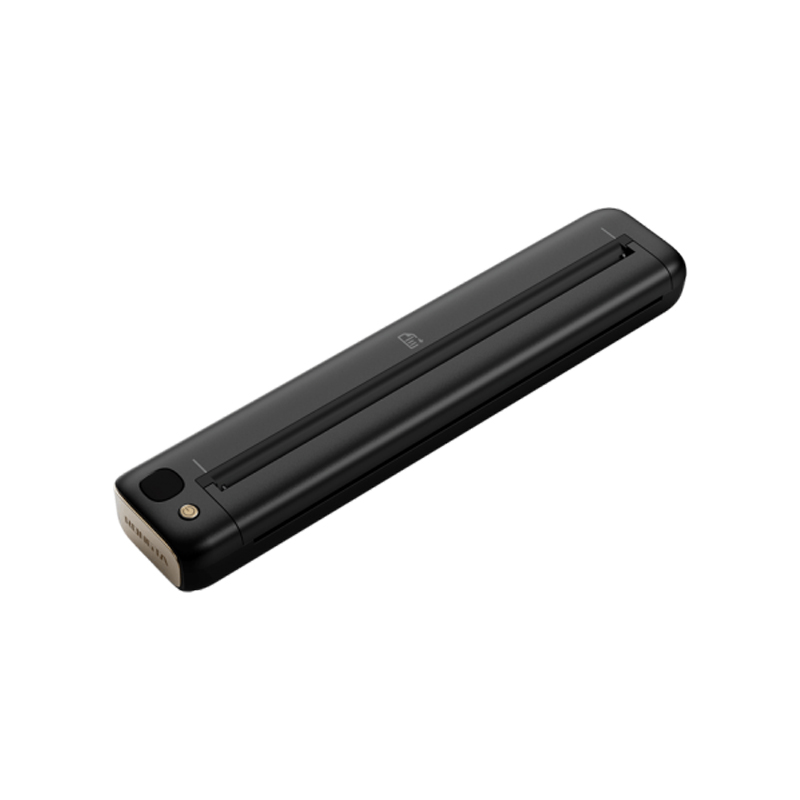 F81S Portable A4 Tattoo Printer
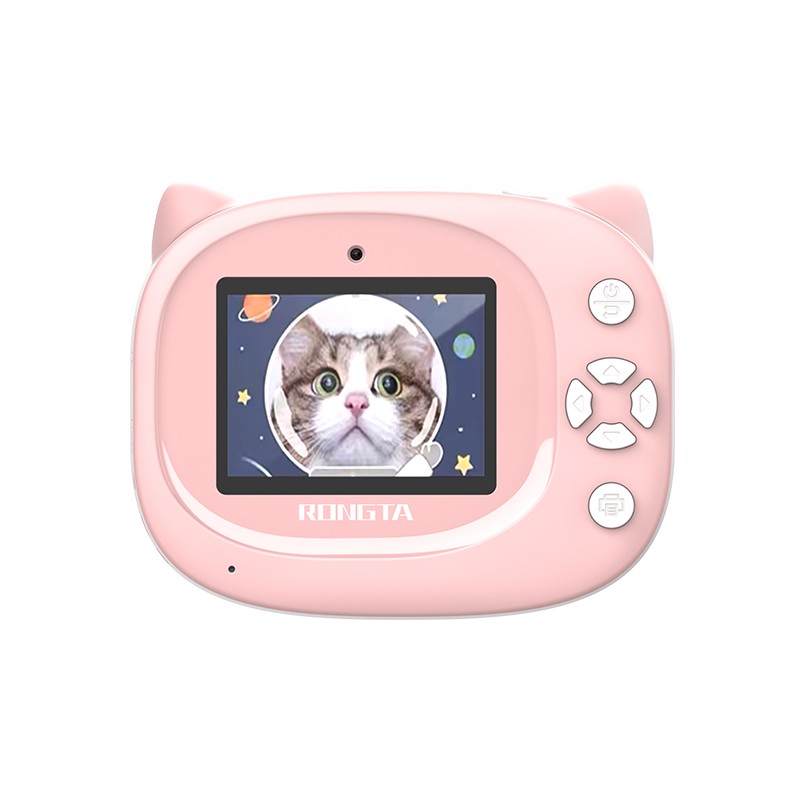 Z1 Children's Educational Photo Printer
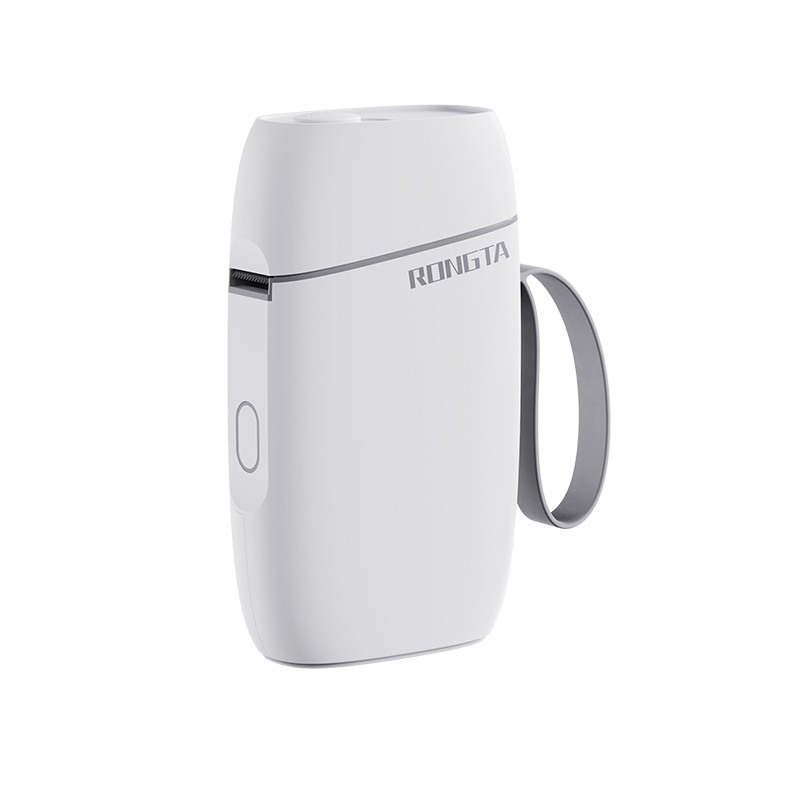 R5 Mini Label Printer
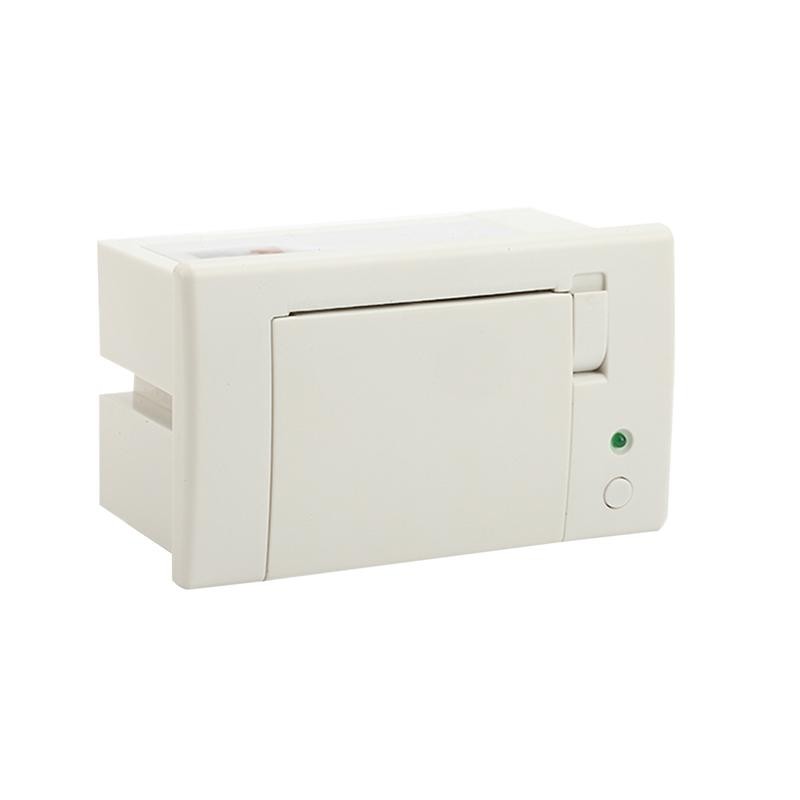 RP07 58mm Embedded Printer
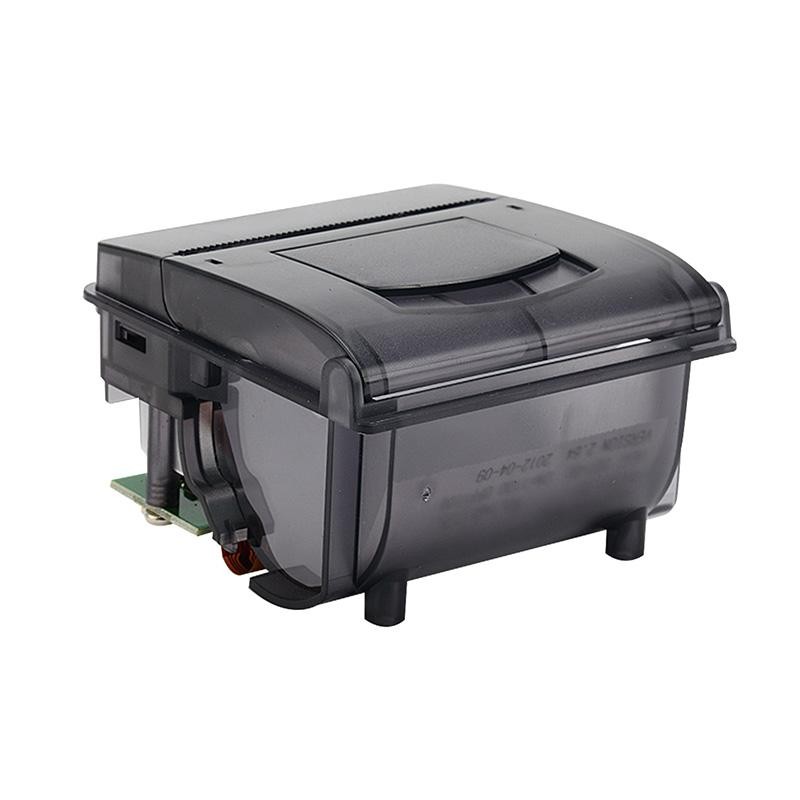 RP203 58mm Embedded Printer
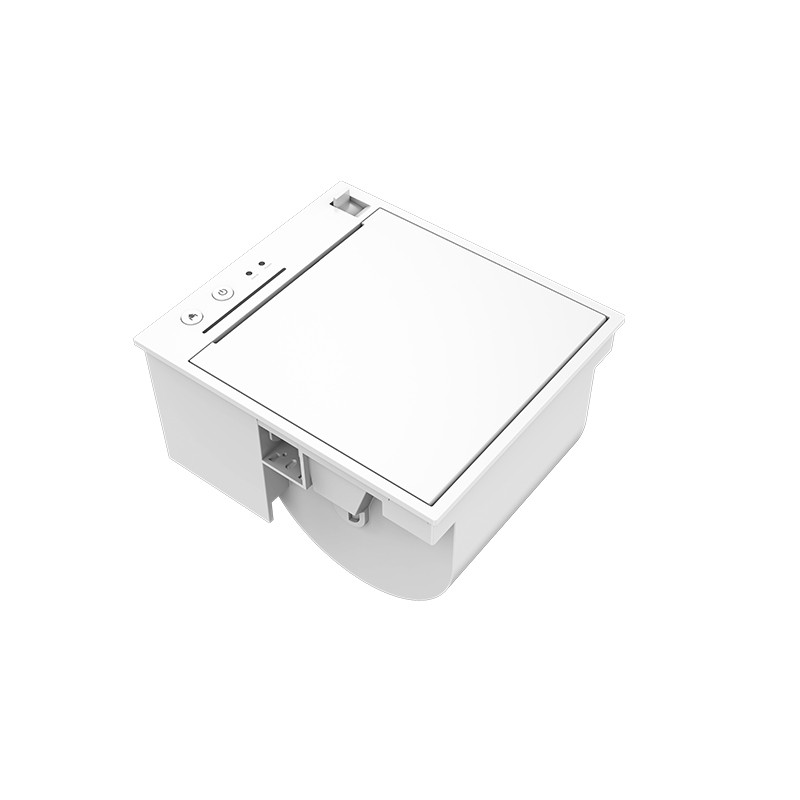 PM315 Embedded Thermal Printer
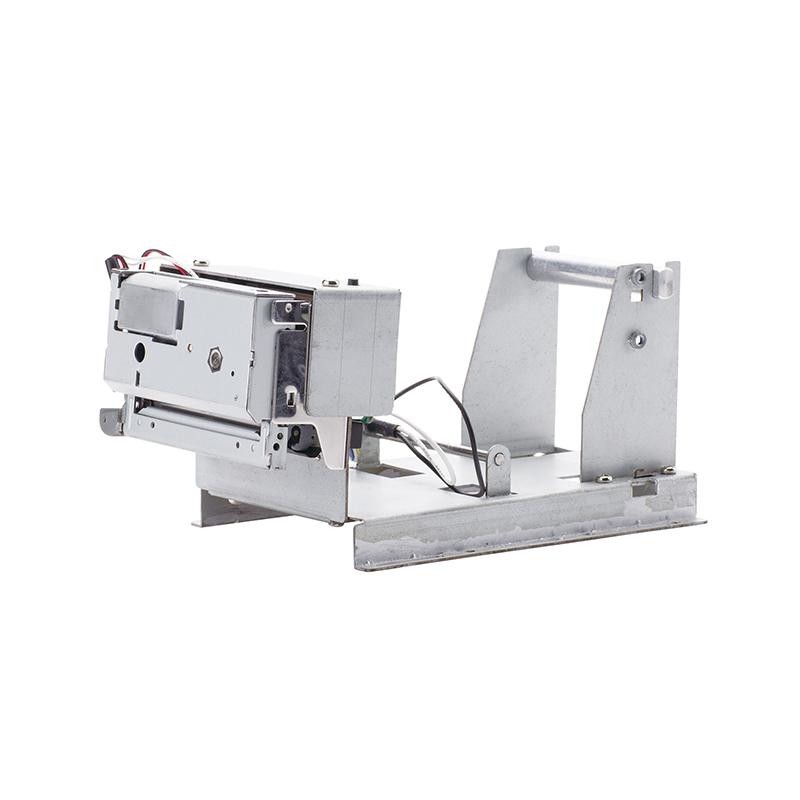 PM201 48mm Printing Module
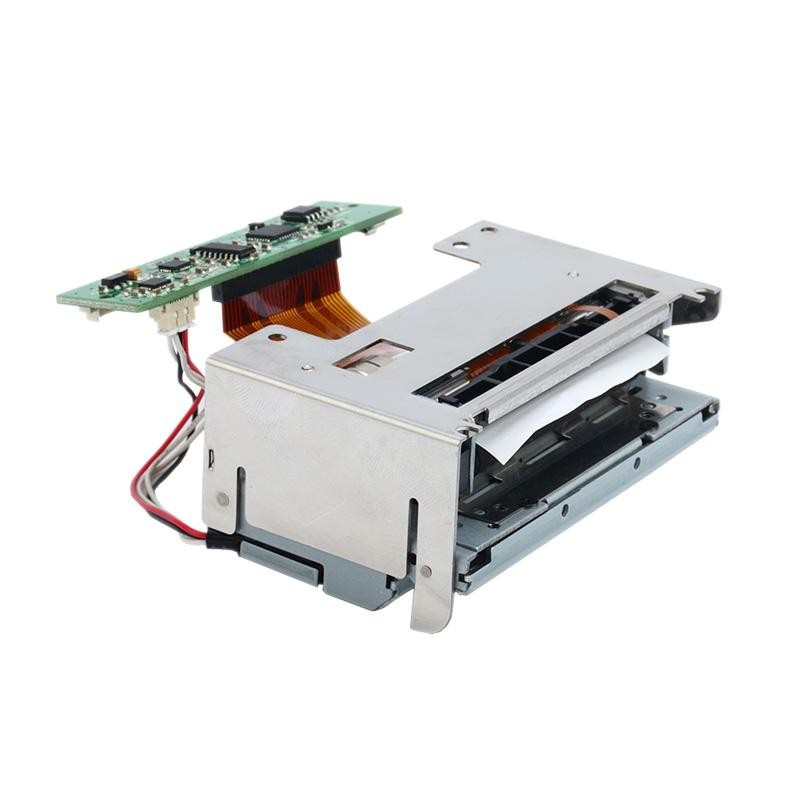 PM628 58mm printing module
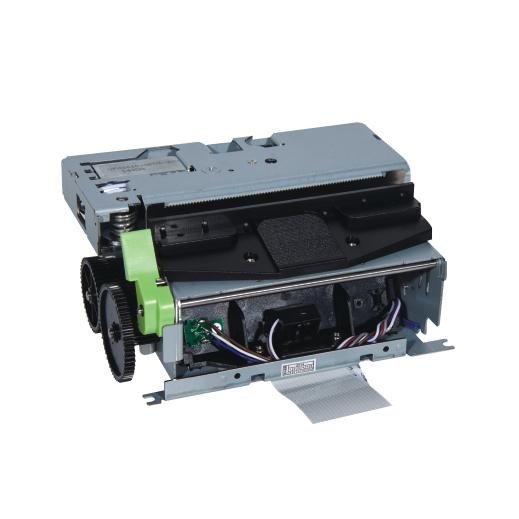 PM532A Printing Module
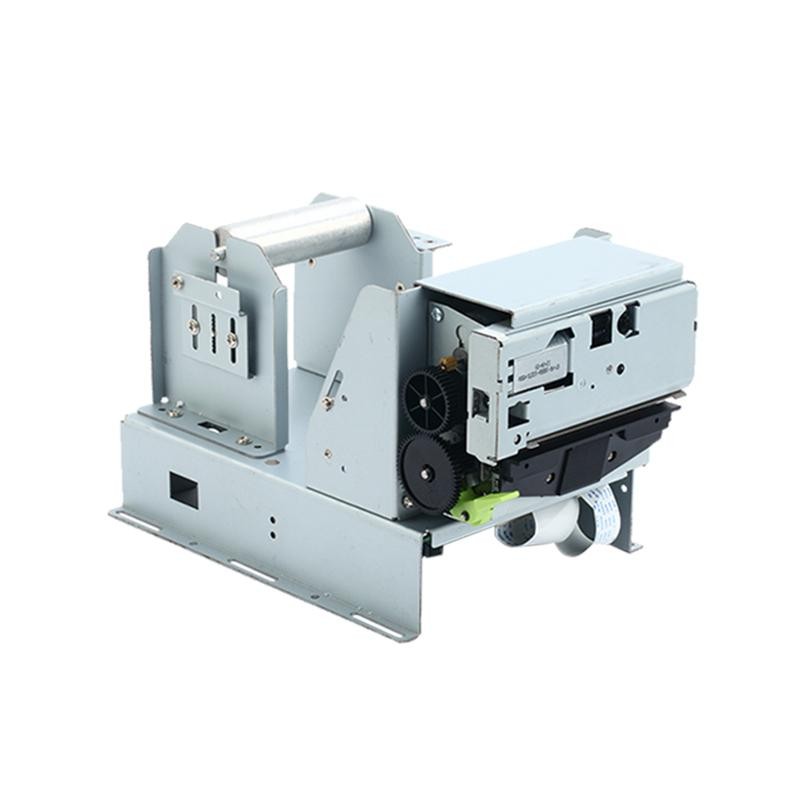 PM532B printer module
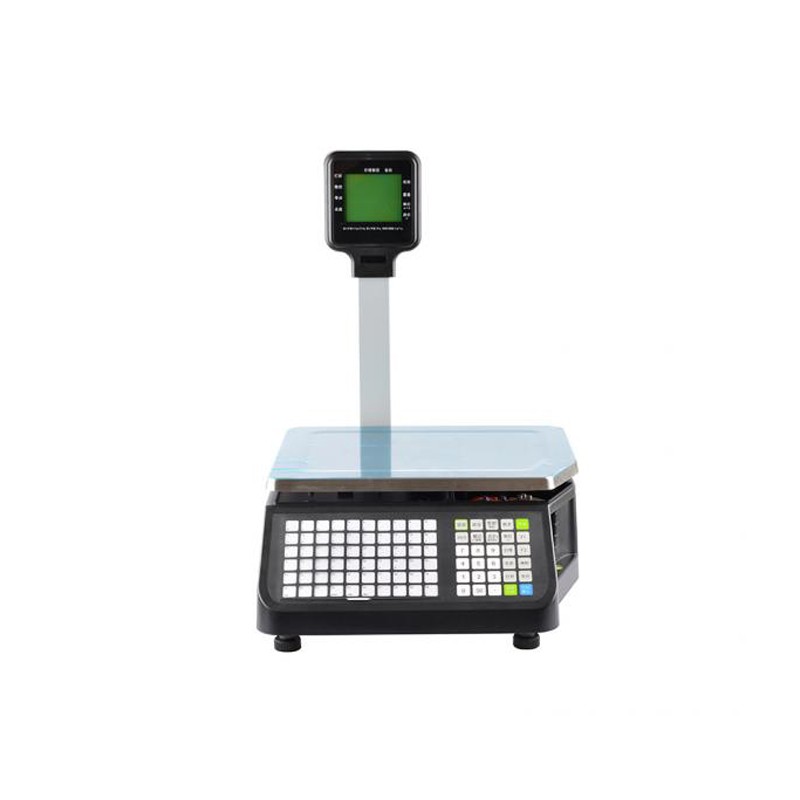 LS015/LS015A Barcode Scale
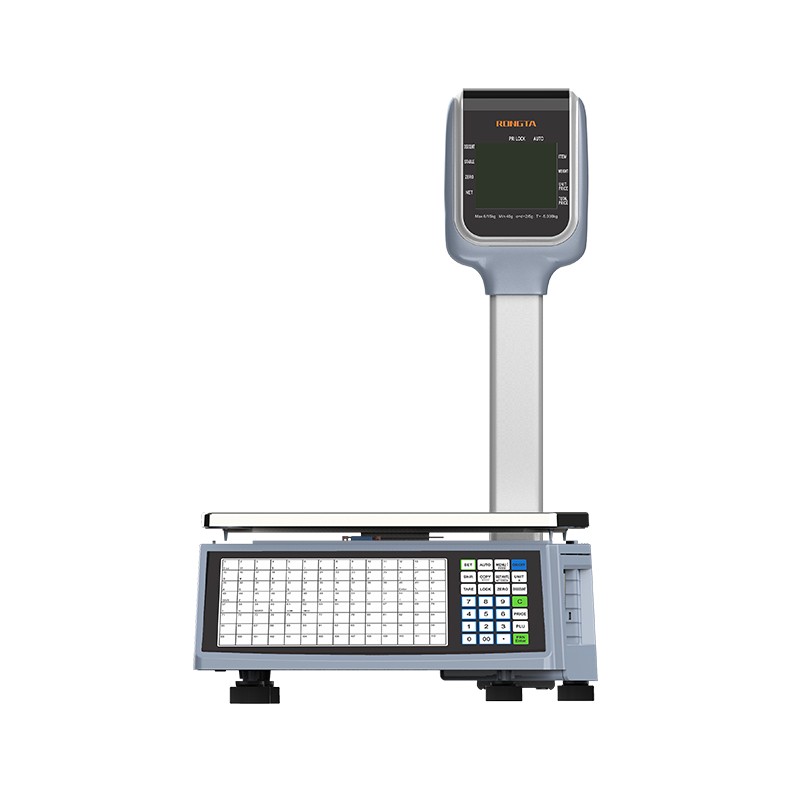 RLS1815D/RLS1830D Barcode Scale
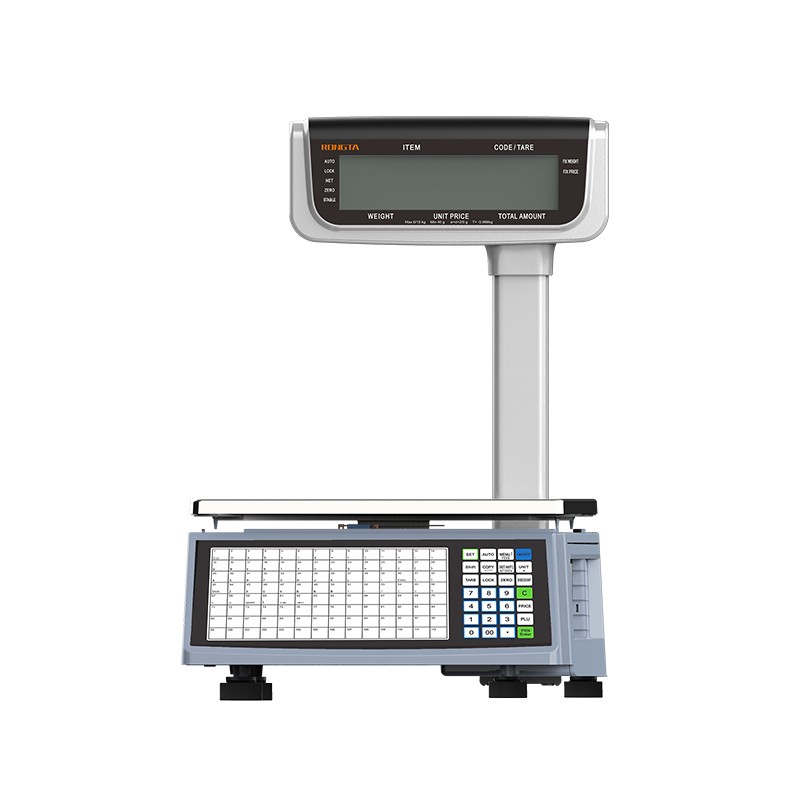 RLS1815C/RLS1830C Barcode Scale
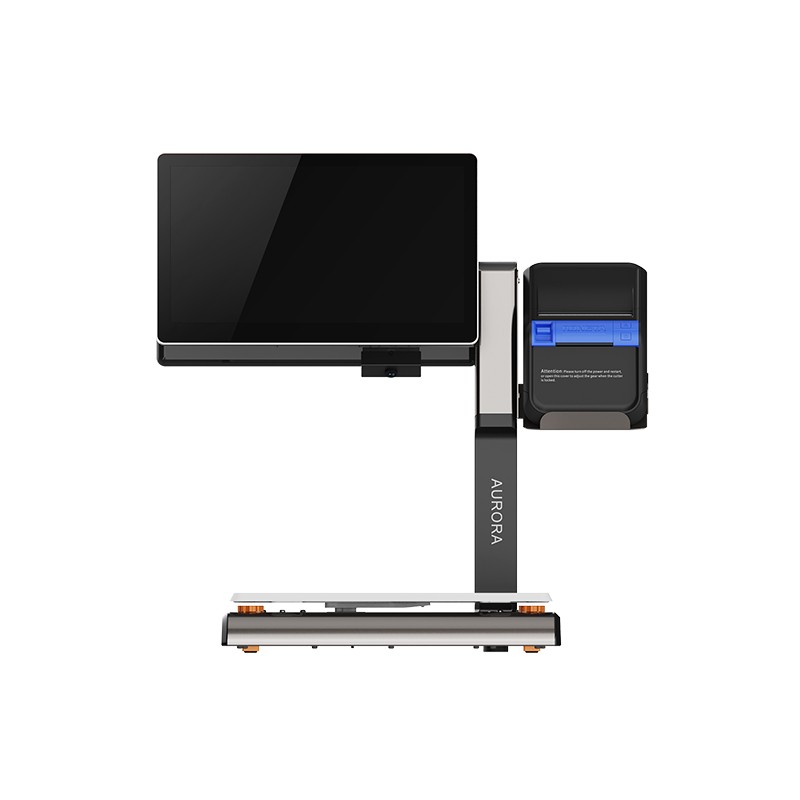 AURORA S2L-S Labelless Scale
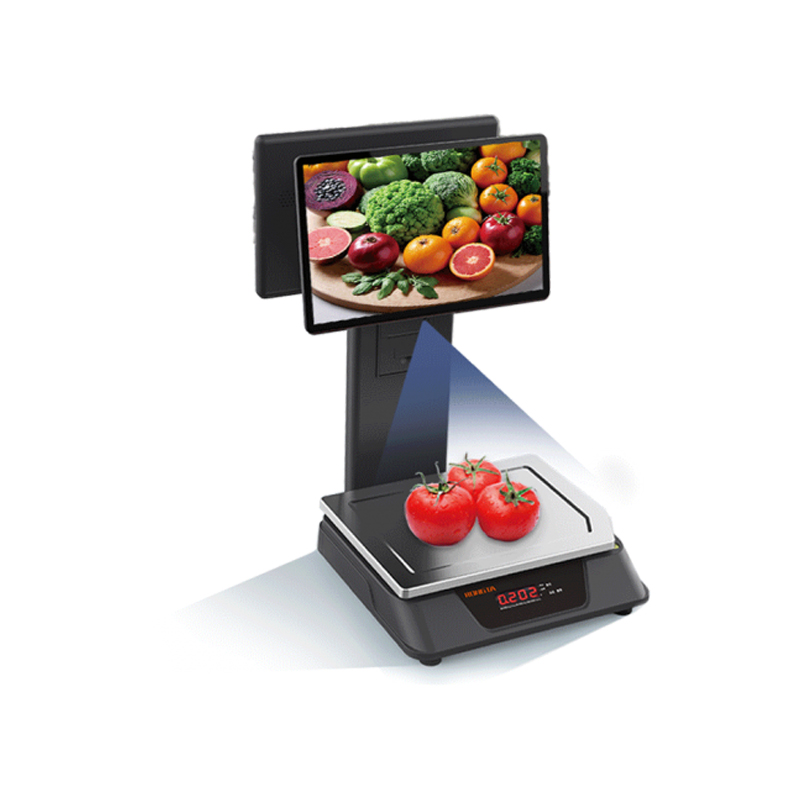 AURORA E1 PRO-AI Cash Register Scale
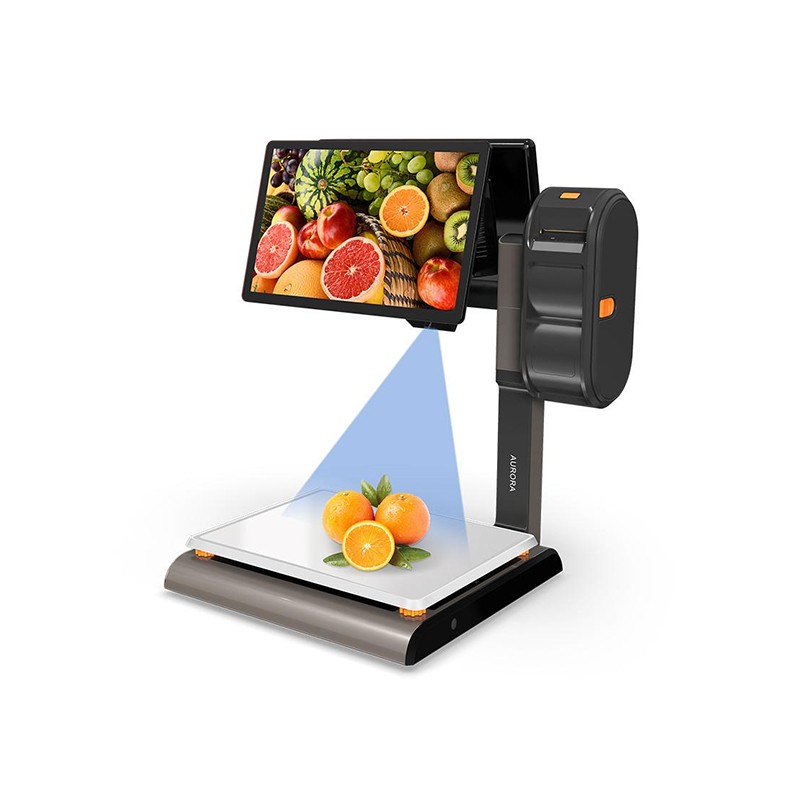 AURORA S2L-AI Label Scale
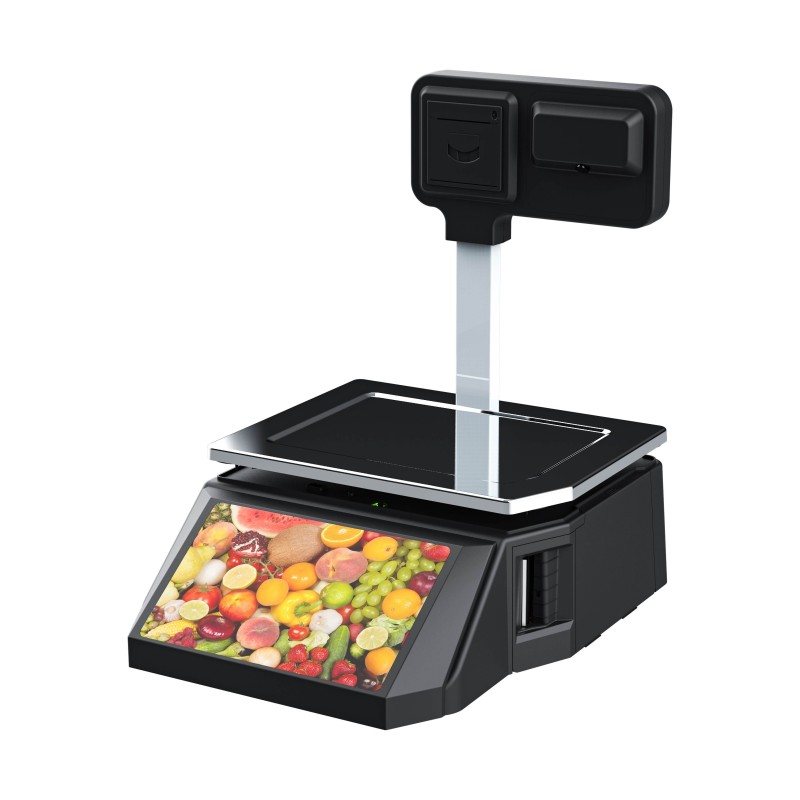 DP01-AI Smart Tag Cashier Dual-Use Scale
 C3 Weighing Scale
 C1 weighing scale
 C11 Weighing Scale
 retail
 FOOD
FOOD Medical
 Mobile office/home
 asset Management
 logistics
 Driver download
 User Manual
 Tool Download
 Tag software
 Product Video
 Development Documentation
 Frequently Asked Questions
 User Guide
 Company News
 Exhibition Updates
 Industry Insights
 Product Update
 General situation
 Development history
 Honors and Qualifications
 R&D strength
 Team activities
 Social responsibility




Industrial-grade vs. desktop label printers: choosing the right application is key!
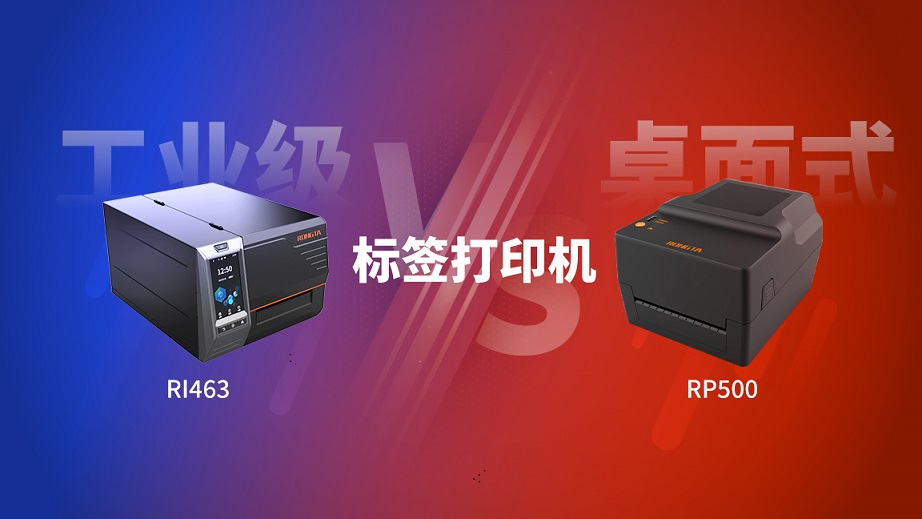
Label printers have long been as indispensable as water and electricity in warehouses, production lines, and cash registers. However, when it comes to the actual purchasing moment, many people are still stumped by one question—should I choose a "robust and durable" industrial machine or a "lightweight and flexible" commercial machine? Don't worry, just put two representative models from Rongda Technology, the RI463 barcode printer (industrial grade) and the RP500 4'' thermal transfer barcode printer (desktop commercial grade), side by side, and the answer will become clear immediately.
?
one,Core positioning: Sustained combat vs. flexible deployment
Industrial-grade equipment emphasizes stable output under high-intensity, long-term, and complex environments; while commercial-grade equipment prioritizes space-saving design, ease of operation, and cost control. The RI463 and RP500 are typical examples of these two directions. Both support both thermal transfer and thermal printing modes and feature 300dpi high-definition printing technology. The RI463 prioritizes durability, making it suitable for demanding industrial environments; while the RP500 balances compact design and cost-effectiveness, making it more suitable for commercial office environments.
?
?
Durability and workload
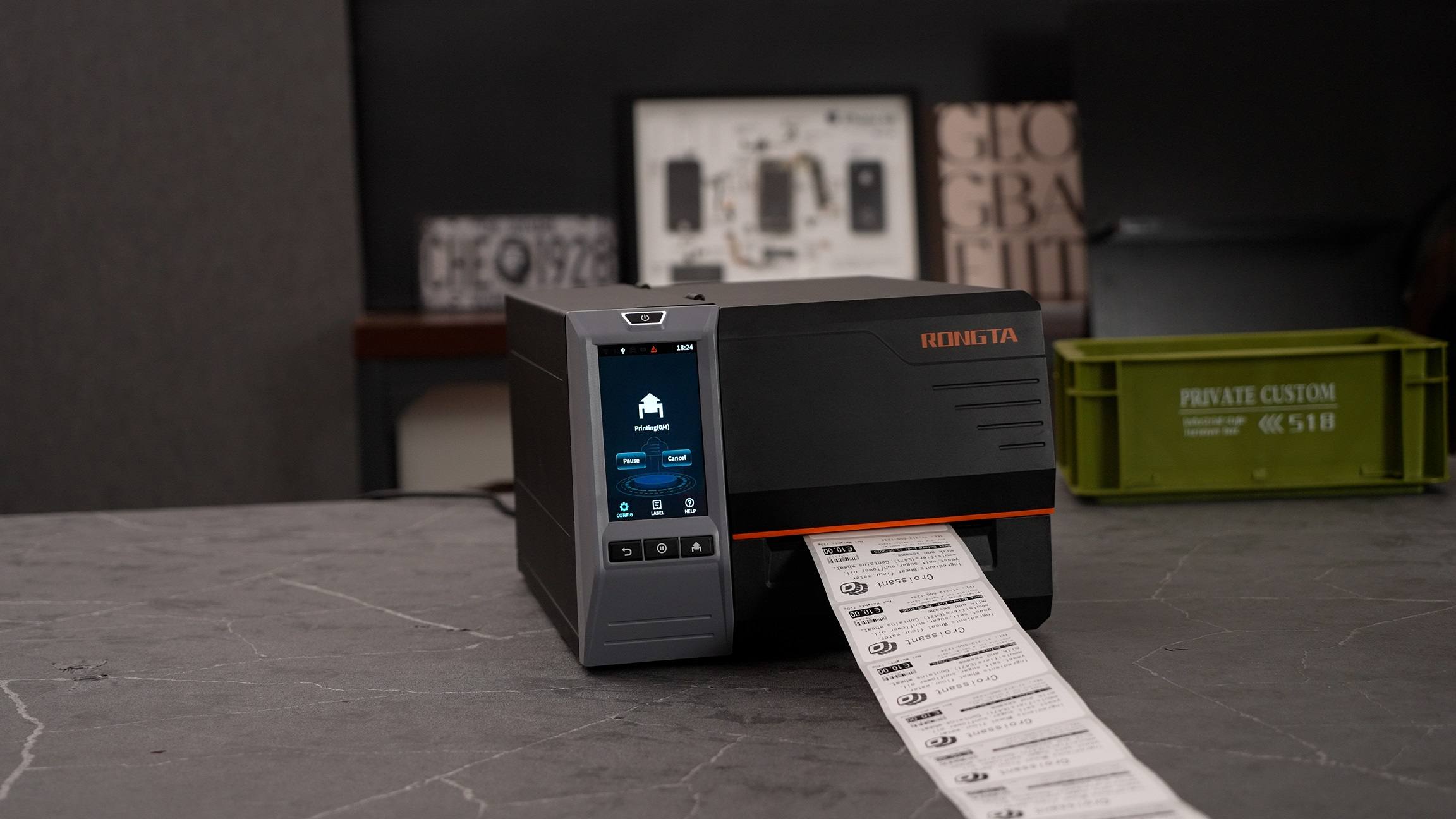
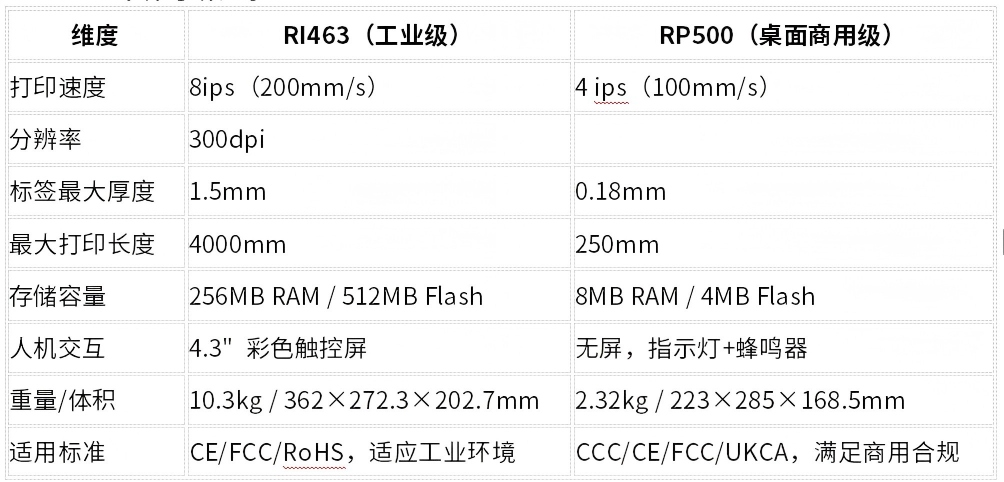
The Rongda RI463 (industrial grade) is a machine designed for continuous high-intensity operation. Weighing only 10.3kg, it features an all-metal structure and supports 24/7 uninterrupted operation, effectively preventing downtime due to overheating or paper jams. Its printing speed reaches up to 8ips (200mm/s), supporting extra-long labels up to 4 meters and large paper rolls up to 152mm in diameter, making it ideal for batch printing on production lines and logistics sorting. The machine supports USB flash drive import and offline printing, and features both ZPL and TSPL programming languages, allowing for easy integration with various industrial control systems. The RI463 has obtained CE, FCC, and RoHS certifications, complying with EU electromagnetic compatibility and environmental protection requirements for industrial equipment.
?
?
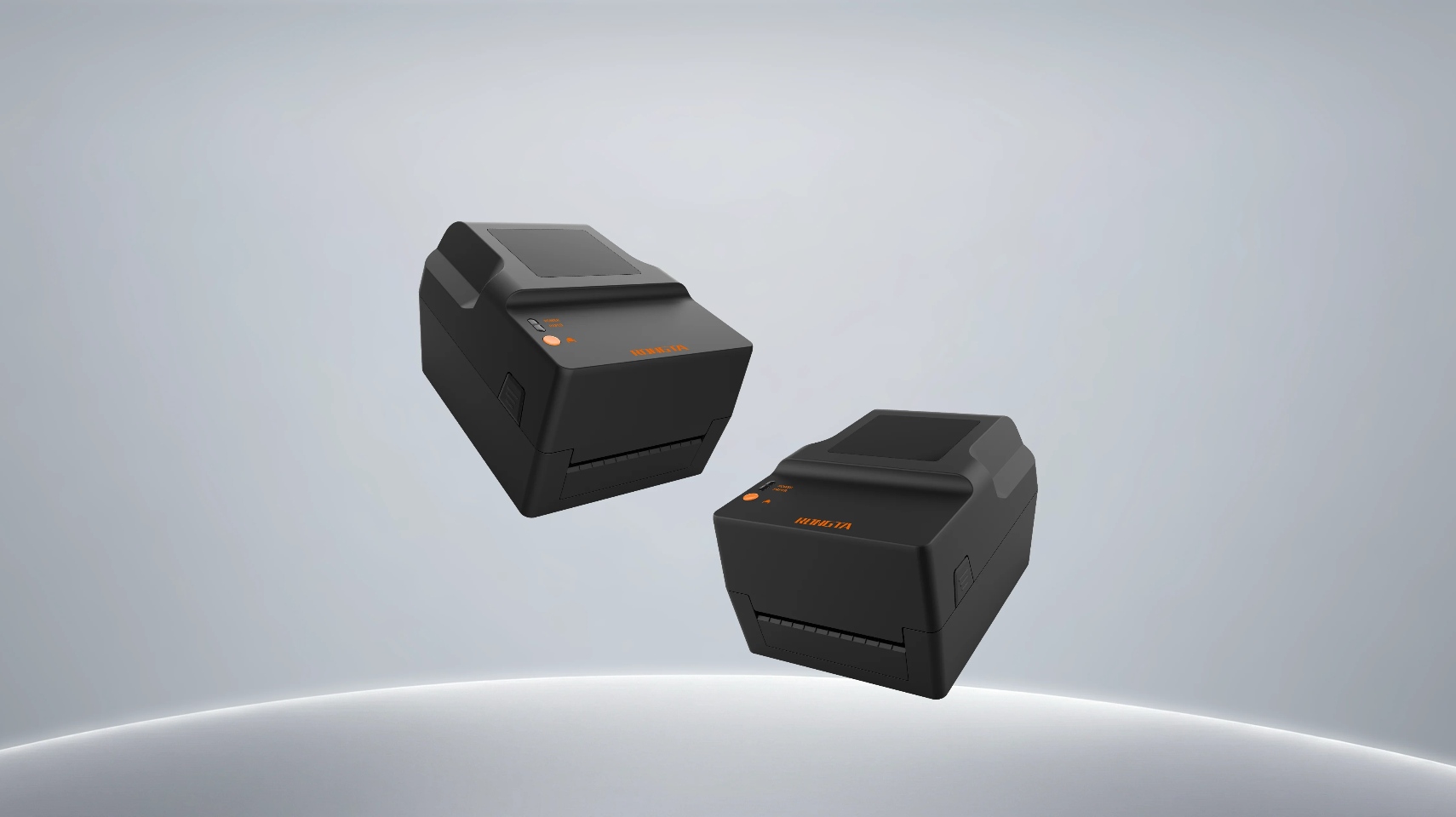
The Rongda RP500 (desktop) is an office companion that prioritizes "high cost-effectiveness and convenience." Weighing only 2.32kg, it boasts a compact design and a printing speed of 4ips (100mm/s). While this speed is about half that of the RI463, it's more than sufficient for scenarios involving thousands of e-commerce shipping labels and retail price tags daily, achieving a good balance between performance and desktop space. This device has obtained CCC, CE, FCC, UKCA, and RoHS certifications, ensuring safety and compliance for commercial use.
?
Media adaptability determines application boundaries
? ? ? ? ?The RI463 supports label thicknesses from 0.06mm to 1.5mm, and can print not only on ordinary thermal paper but also on special materials such as jewelry coated paper, care labels, and matte silver labels. Equipped with sensors for paper shortage reprinting, dead pixel detection, and ribbon depletion alerts, the device ensures stable and reliable label printing in high-standard industries such as textiles, electronics, and automotive parts. Its large-capacity paper roll design reduces replacement frequency, and ribbon detection and printhead temperature monitoring functions guarantee quality and printhead lifespan even during extended printing on various materials, meeting the high requirements of industrial equipment for mean time between failures (MTBF).
The RP500's media range focuses on mainstream commercial applications, supporting a maximum thickness of 0.18mm and covering most coated paper, thermal paper, and matte silver self-adhesive labels, fully meeting daily needs for product labeling, logistics waybills, food labels, etc. Transmissive paper detection and automatic calibration functions make paper changing and positioning faster and more accurate. Its optimized structural design streamlines consumable replacement, easily handling even frequent label type changes.
?
?
Interactive Experience: Visualization vs. Minimalism
The RI463 is equipped with a 4.3-inch color capacitive touchscreen, allowing operators to independently complete parameter settings, template calls, and progress checks directly on the screen, even in noisy workshops, significantly reducing reliance on IT support.
The RP500 takes a minimalist approach, lacking a screen and relying on indicator lights and a buzzer to provide status feedback. However, its modular quick-release structure makes changing paper rolls and ribbons as easy as "building blocks," making it ideal for non-professionals to quickly get started.
?
two,Key parameters overview dimensions
?
?
three,Choosing the right scenario is key to truly unlocking value.
According to data from China Report Hall, the global barcode printer market is projected to reach $4.52 billion in 2025 and is expected to grow to $5.55 billion by 2029. Industrial barcode printers hold the largest market share (approximately 45.8%), widely used in manufacturing, logistics, and other fields, supporting 24-hour continuous operation and harsh environments. Desktop barcode printers account for about 35%, primarily serving retail and healthcare scenarios, with advantages in compactness, portability, and low cost.
Clearly, industrial-grade and commercial-grade equipment are not substitutes, but rather complementary and symbiotic. The Rongda RI463 can withstand the roar of the production line, while the RP500 fits comfortably in the small space of a counter.
?
If you meet the following criteria, the RI463 (industrial grade) would be a reliable choice:
Factory assembly lines and large-scale warehousing and logistics centers need to handle massive, continuous, and multi-material label printing.
? Long labels need to be printed, such as cable labels;
? The working environment is relatively harsh, requiring high equipment stability;
? Due to high staff turnover, touchscreens are needed to simplify the operation process.
?
If you fall into any of the following categories, the RP500 (desktop) will be your helpful assistant:
? E-commerce packaging, express delivery stations, retail stores, small studios, corporate warehouses, etc.;
? Limited office space necessitates balancing performance and floor space.
? Budget is a concern; seeking high cost-performance.
? Printing tasks are relatively simple, and users expect quick deployment and easy use.
?
Choosing a label printer is essentially about finding the optimal balance between efficiency, cost, and application scenario. Let the RI463 handle the roar of the production line, and let the RP500 accompany the tranquility of your desk—placing the right equipment in the right scenario will make every label a double testament to efficiency and profit.