

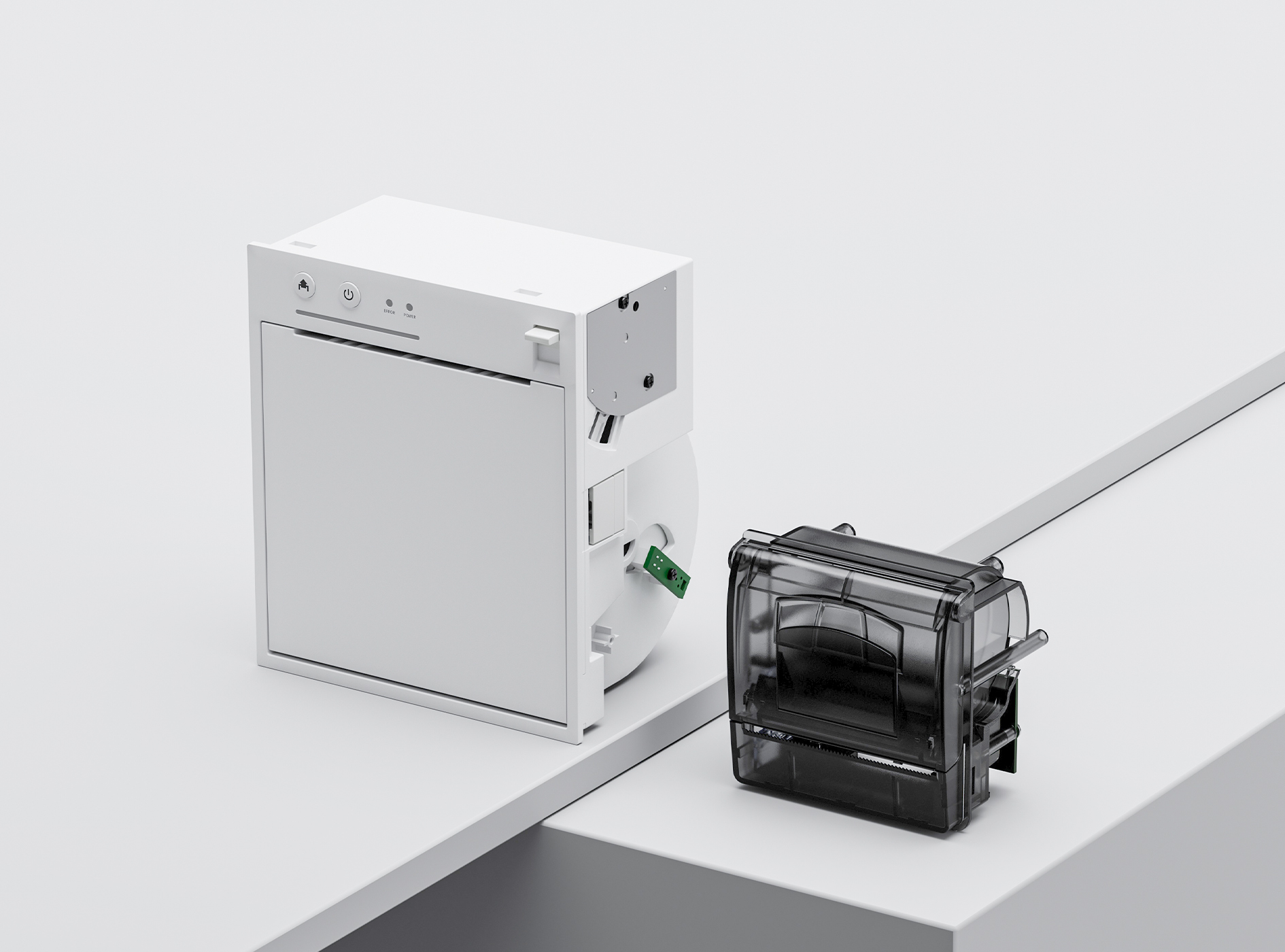
 80mm Receipt Printer
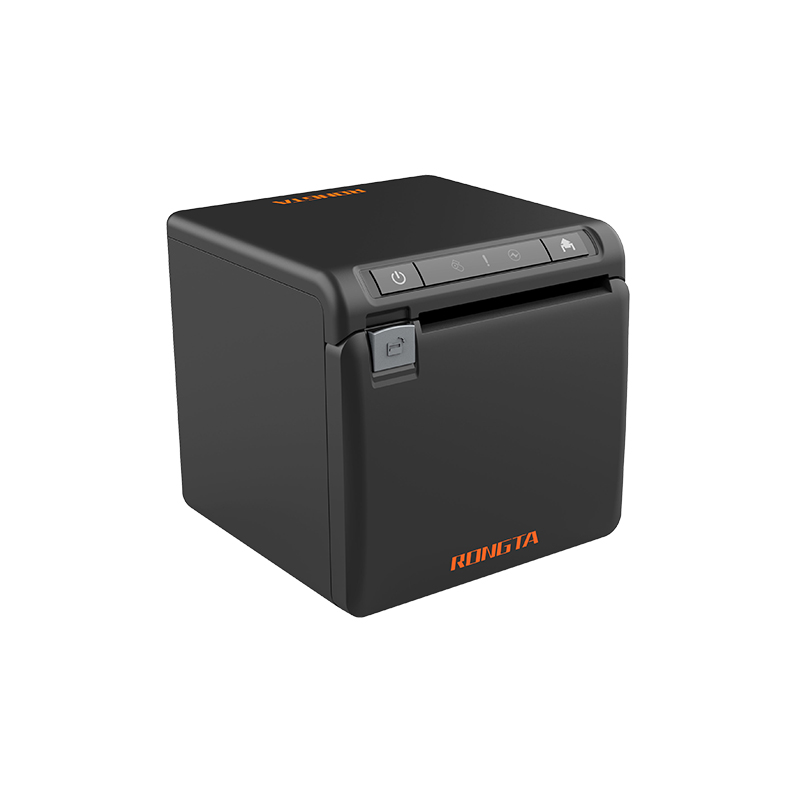 ACE H2 Receipt Printer
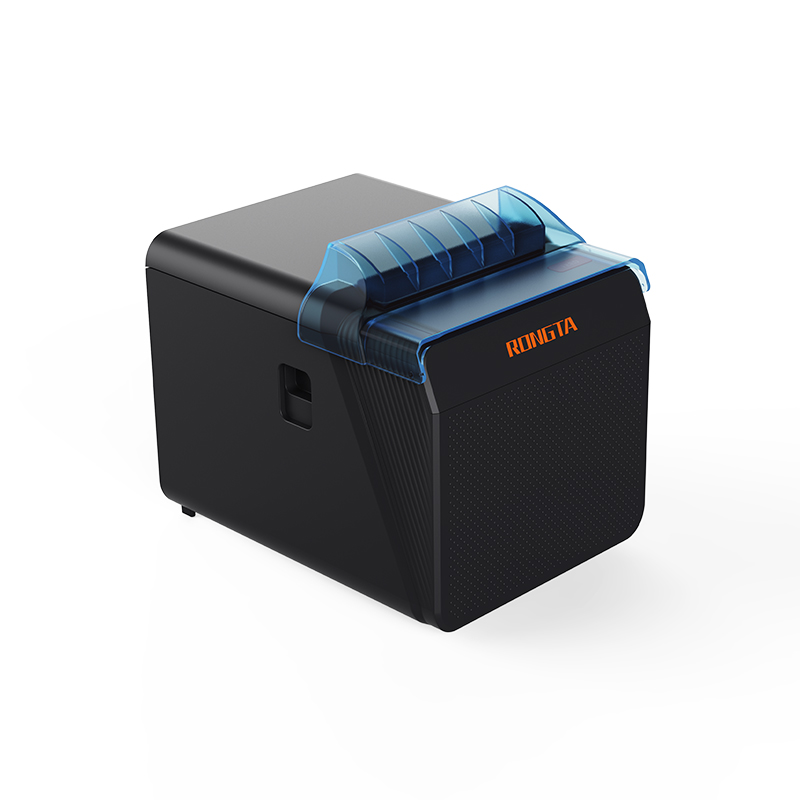 RP337 Receipt Printer
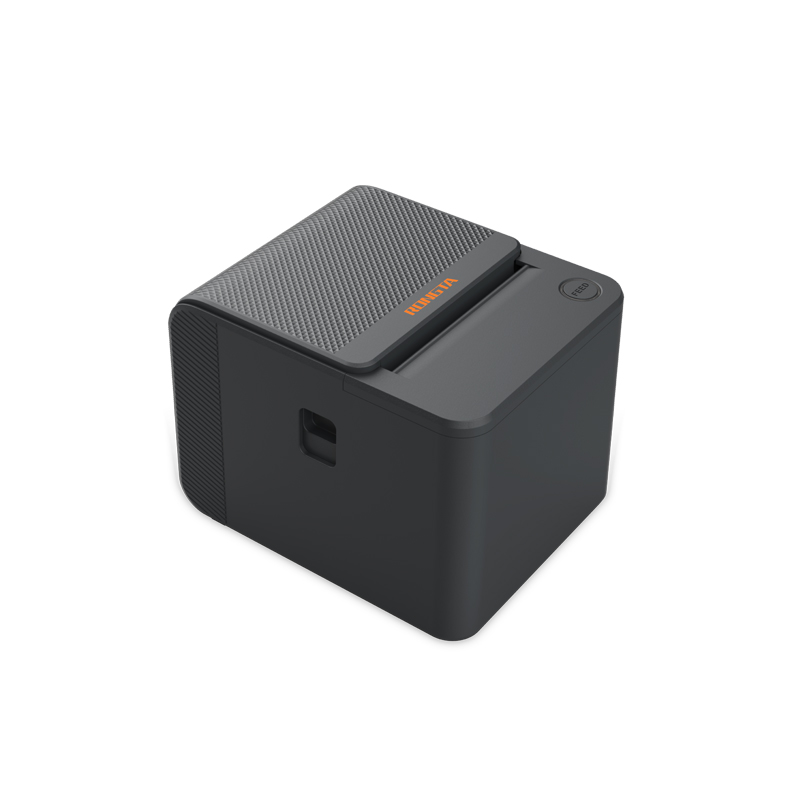 RP336S Dual-Color Receipt Printer
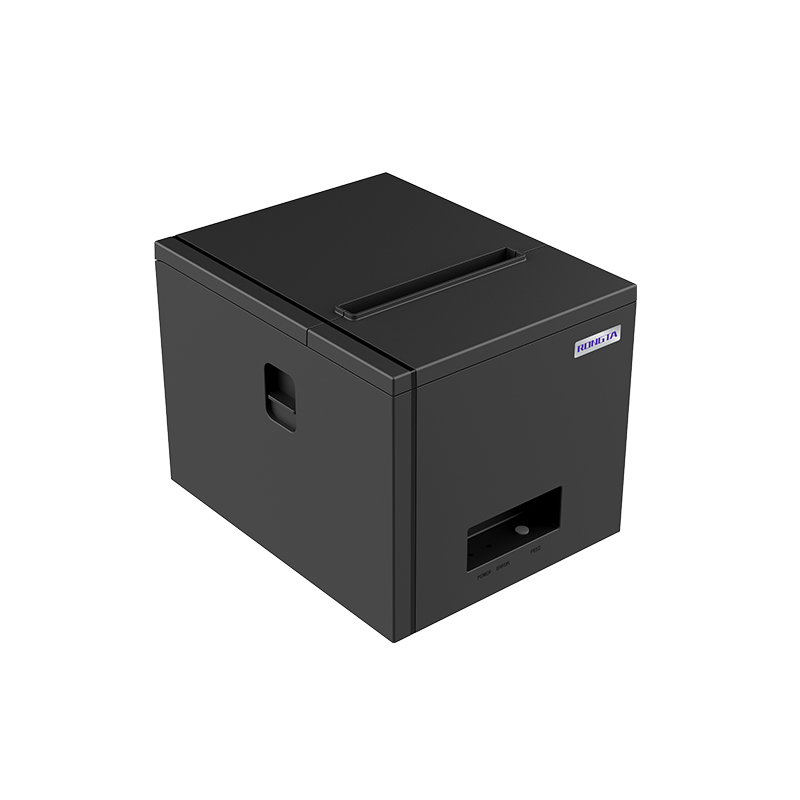 RP350 Receipt Printer
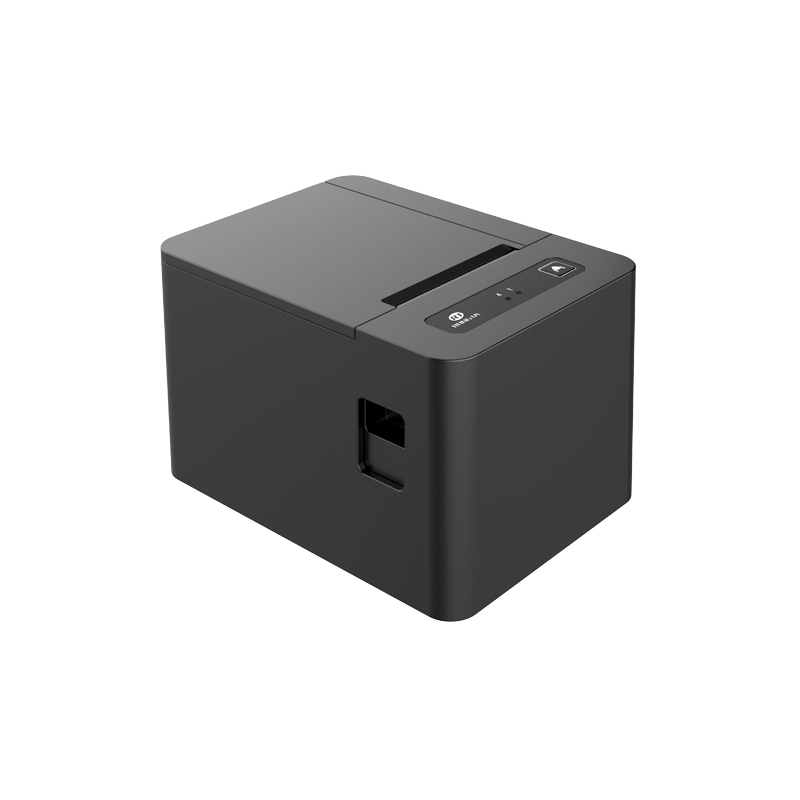 RP582 Receipt Printer
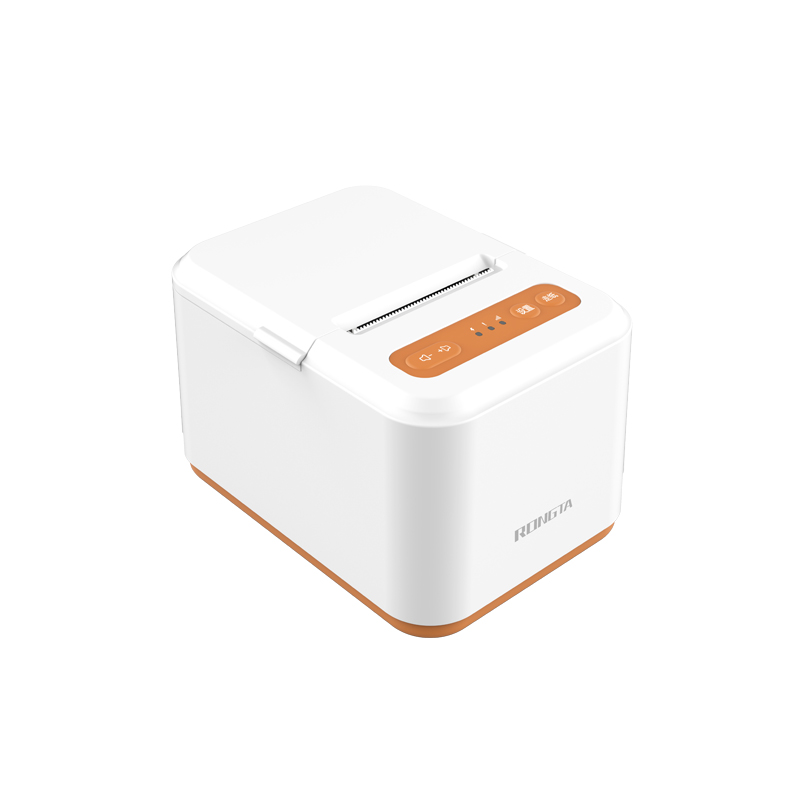 RP581 Receipt Printer
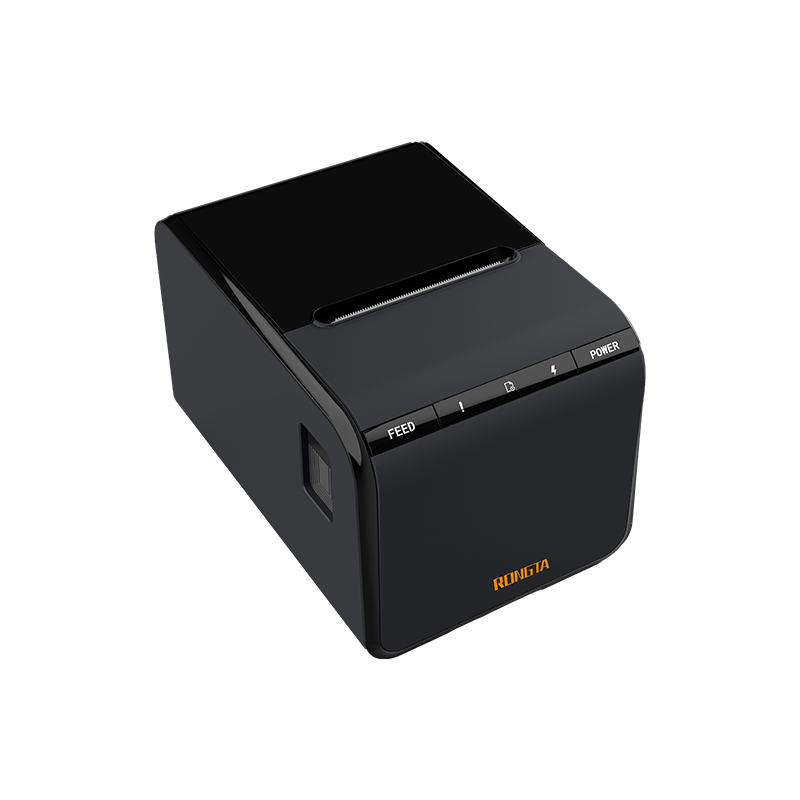 ACE G1Y Receipt Printer
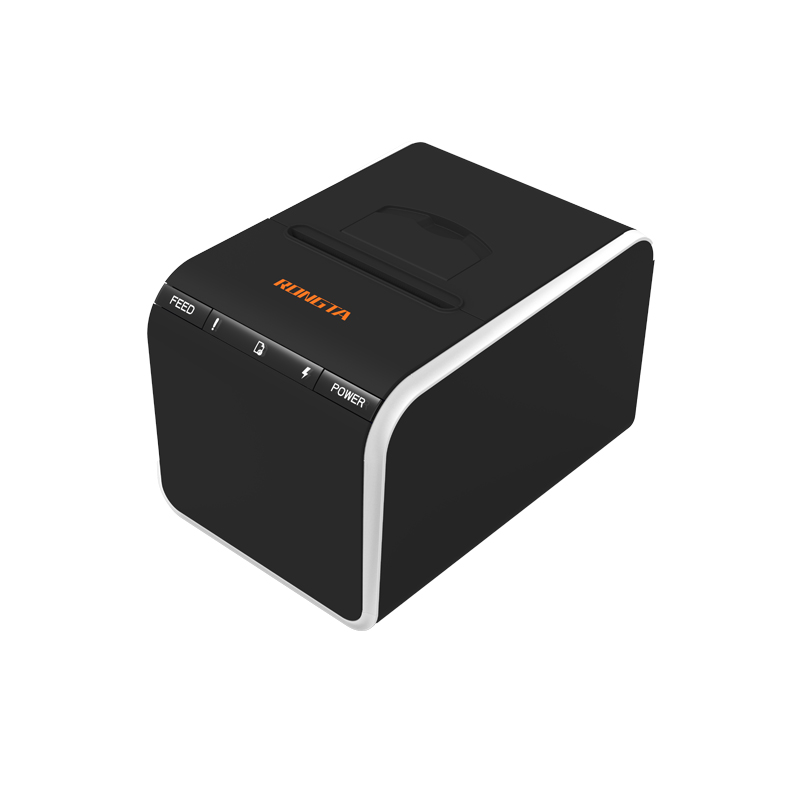 ACE G1YP Cloud Printer
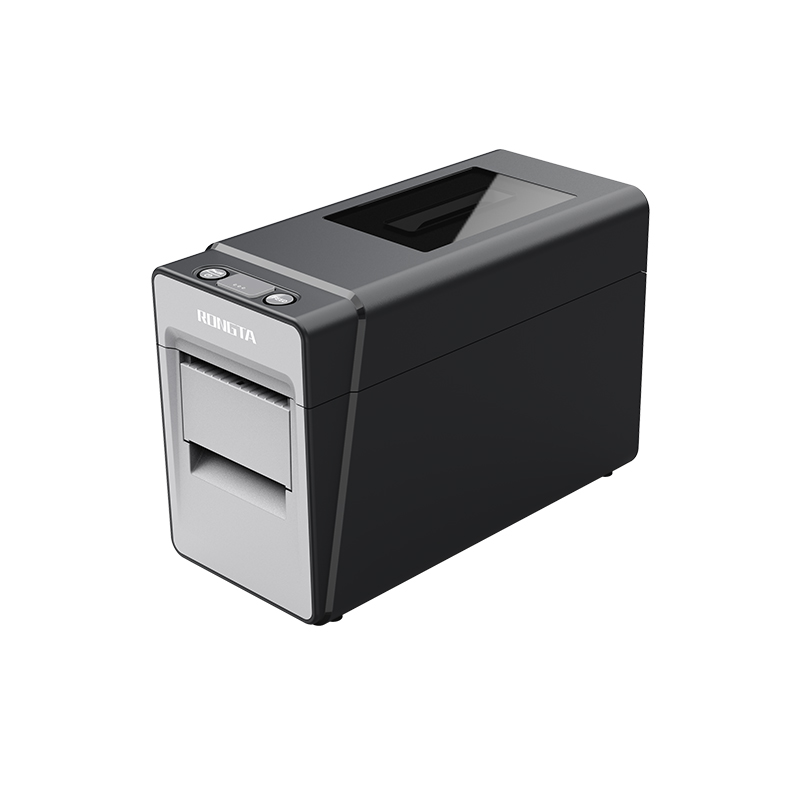 RP216 2'' Dual-color High-definition Label Printer
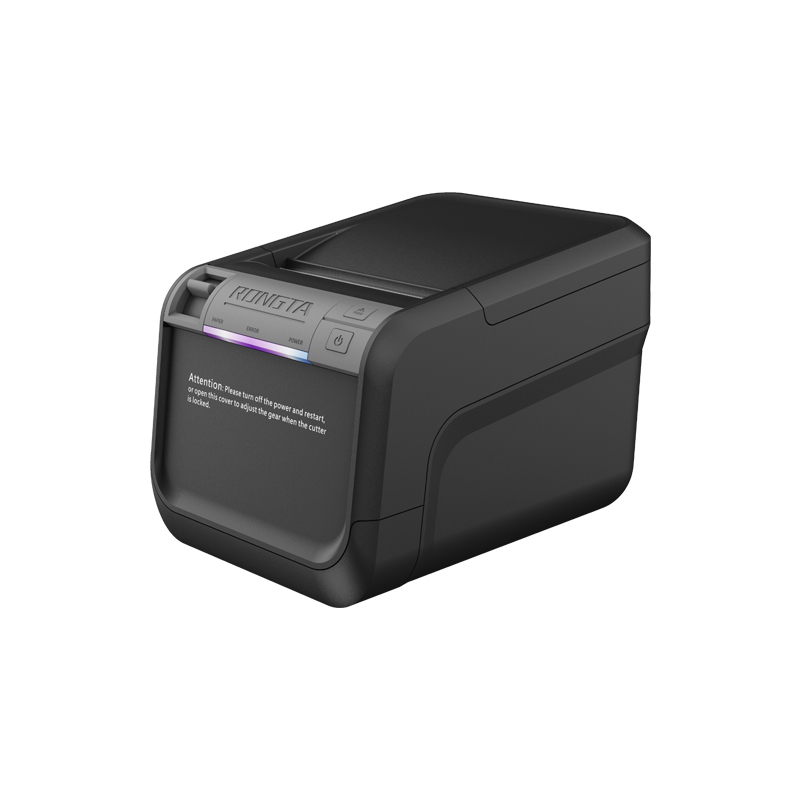 ACE V1S 3'' Backless Label Printer
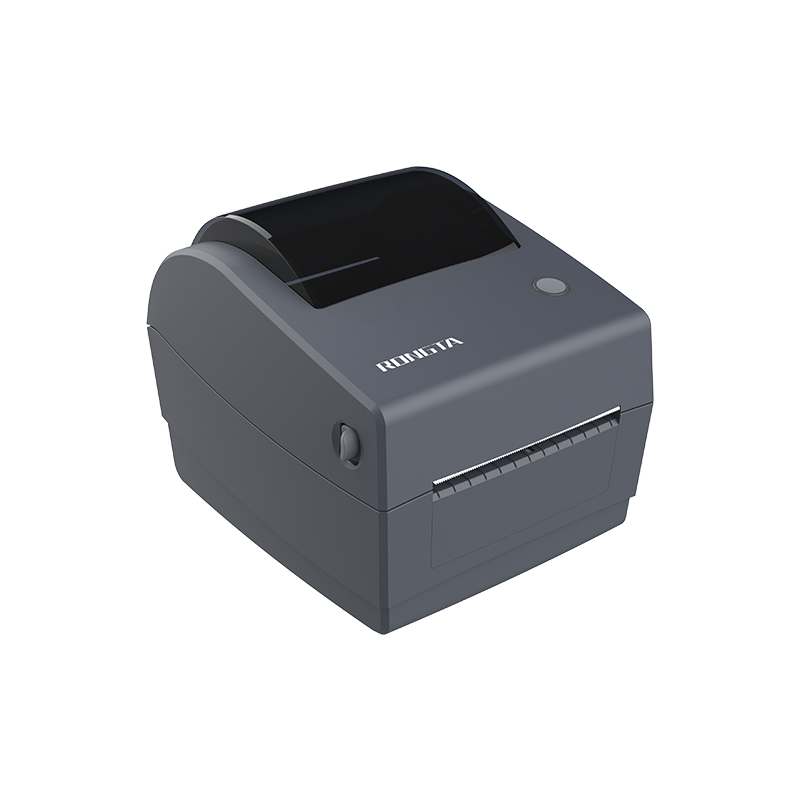 RP310D 3'' Dual-color Label Printer
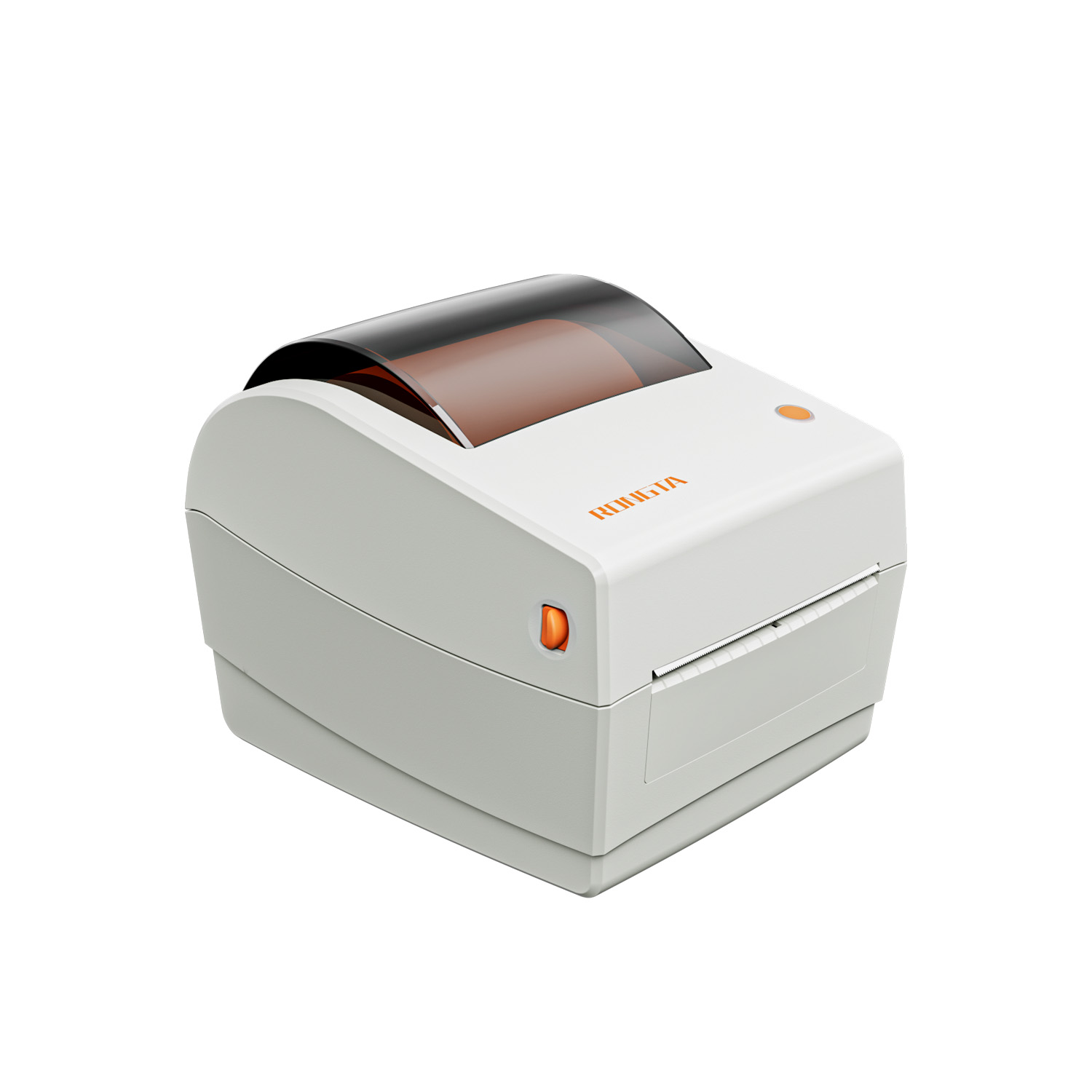 RP410N 4'' Thermal Label Printer
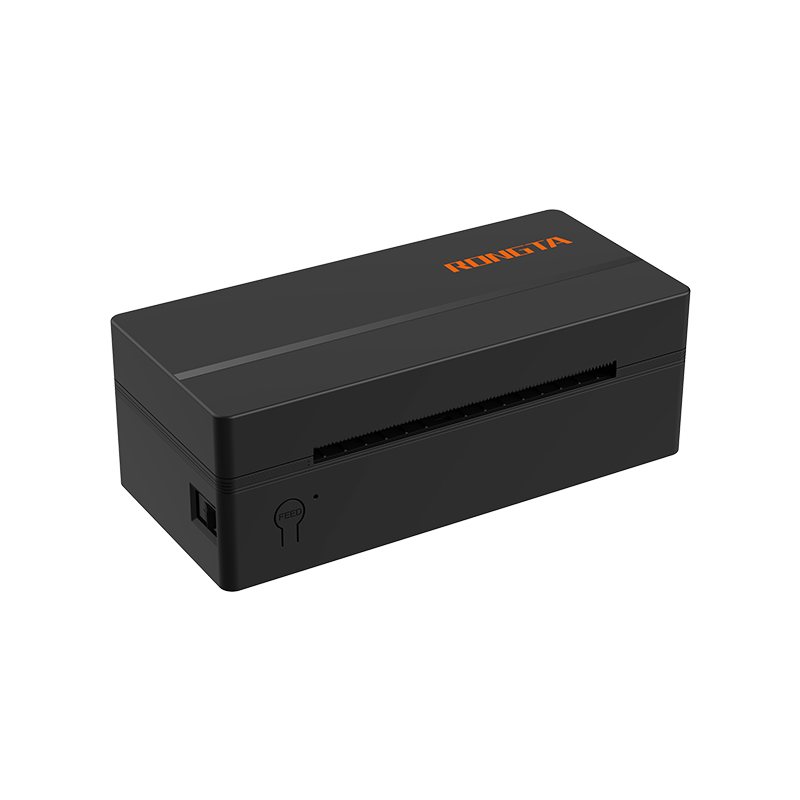 RP425 4'' Electronic Waybill Printer
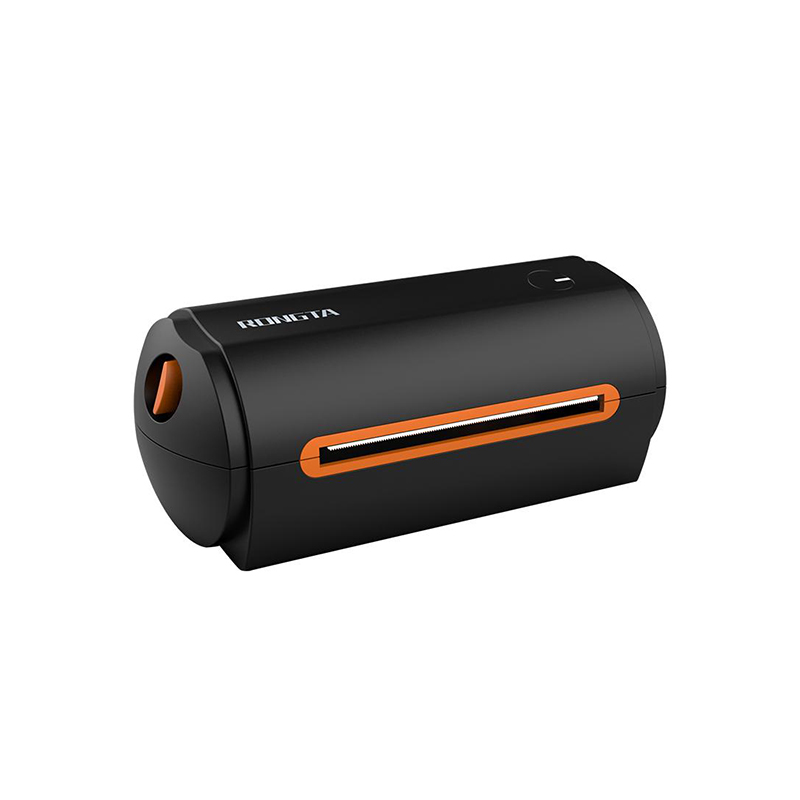 RP422 4'' Electronic Waybill Printer
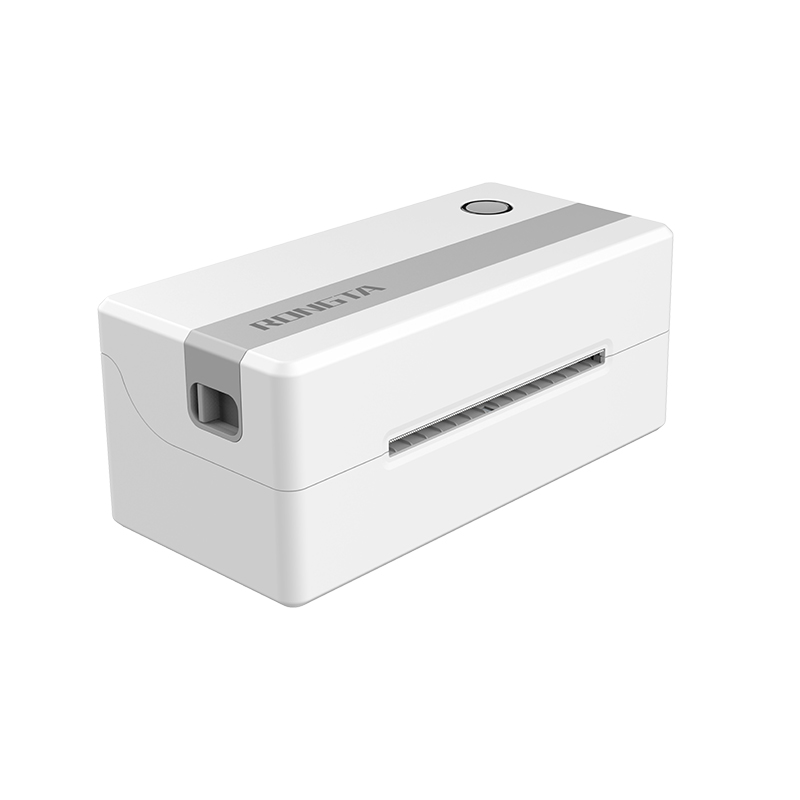 RP421A 4'' Electronic Waybill Printer
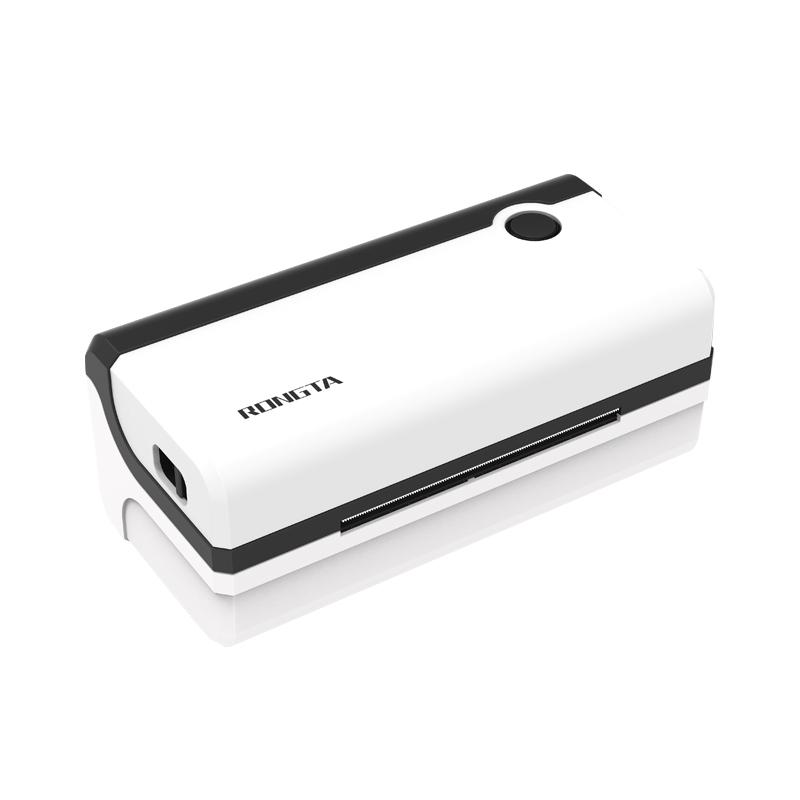 RP420 4'' Electronic Waybill Printer
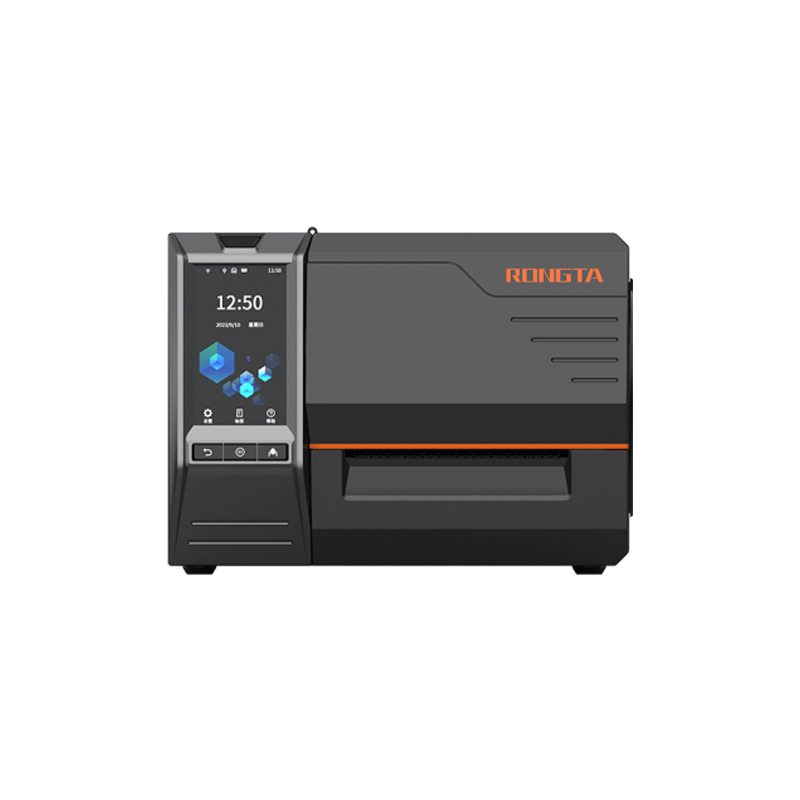 RI463 Series Barcode Printers
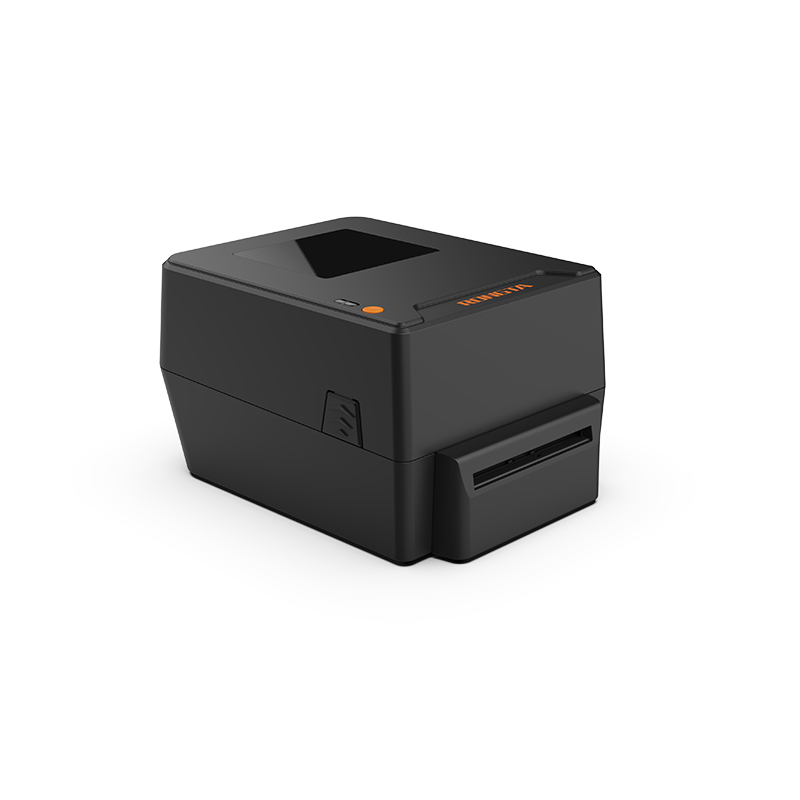 RP400A 4'' Thermal Transfer Tape Cutter Printer
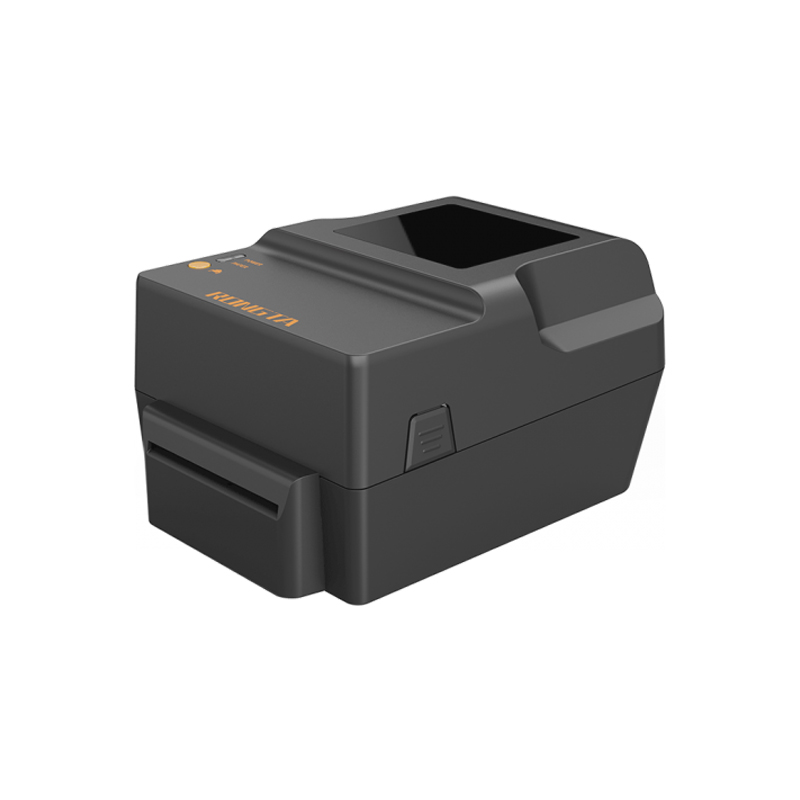 RP400H 4'' Thermal Transfer Tape Cutter Printer
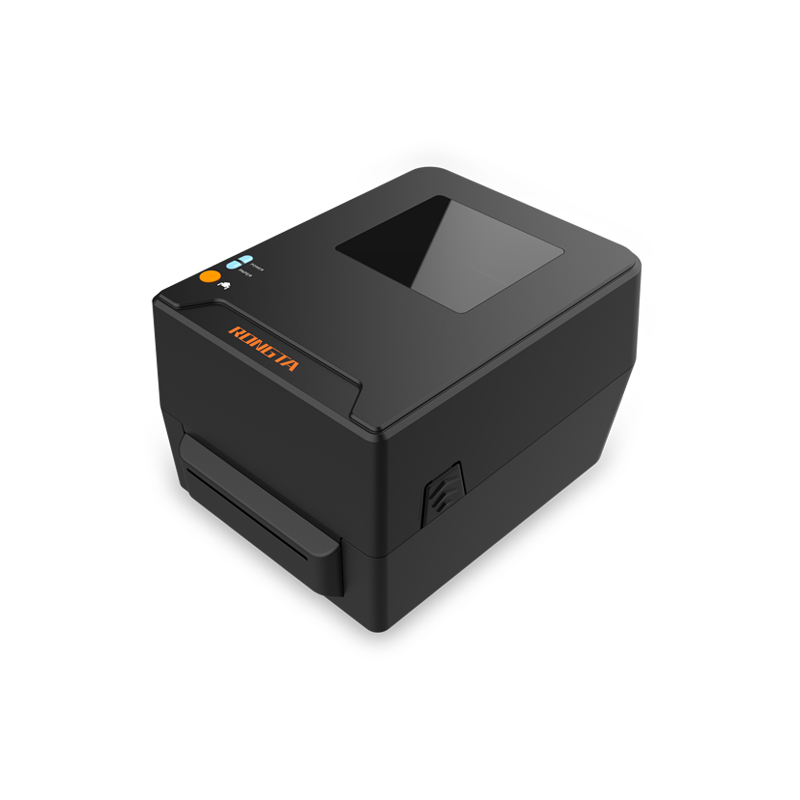 RPF413 300dpi RFID barcode label printer
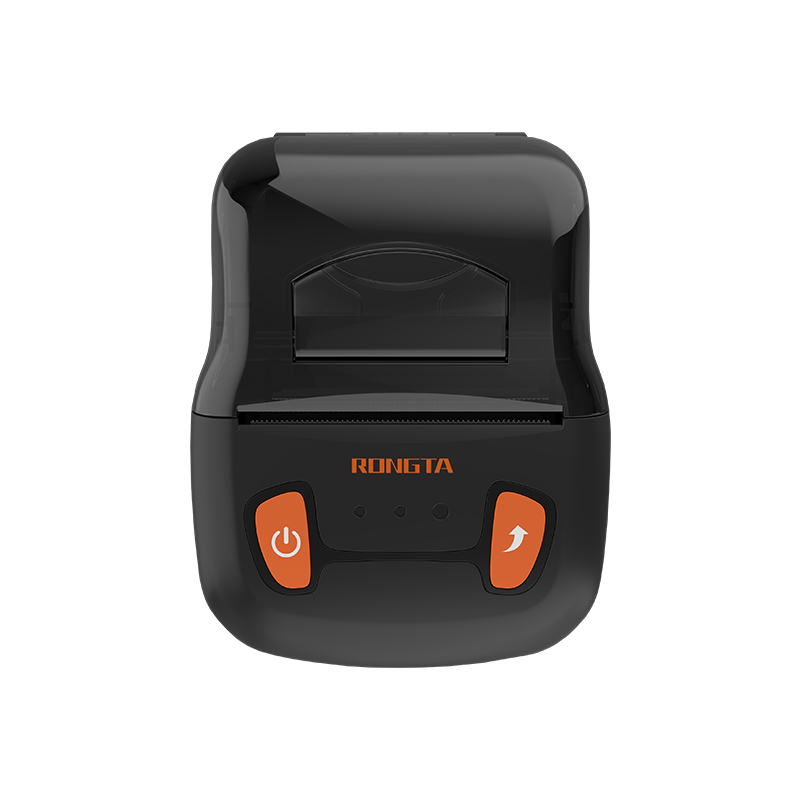 RPP02A Portable Receipt Printer
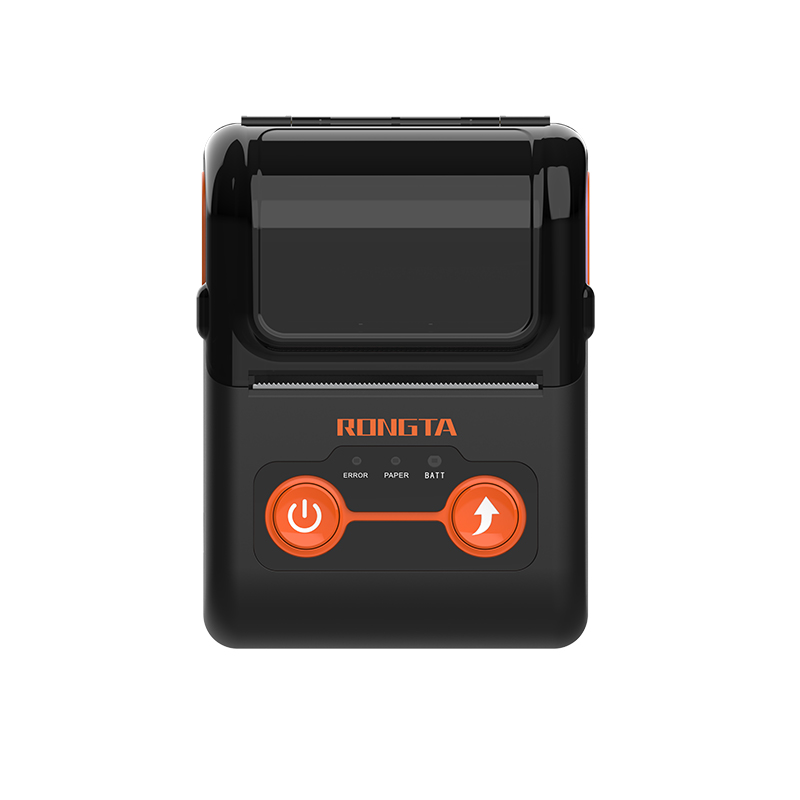 RPP02B Thermal Portable Printer
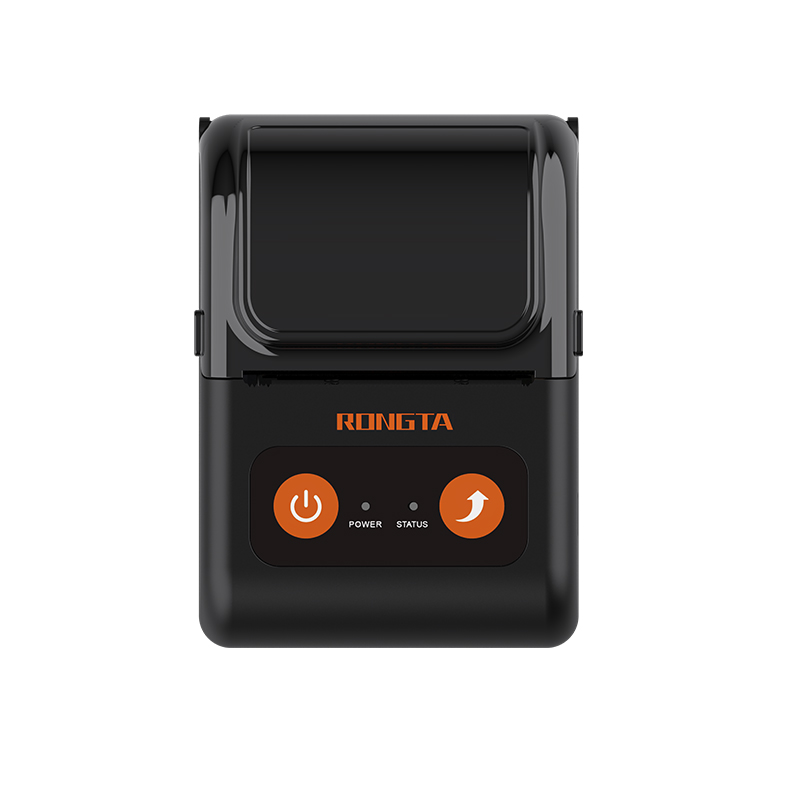 RPP02C Portable Receipt Printer
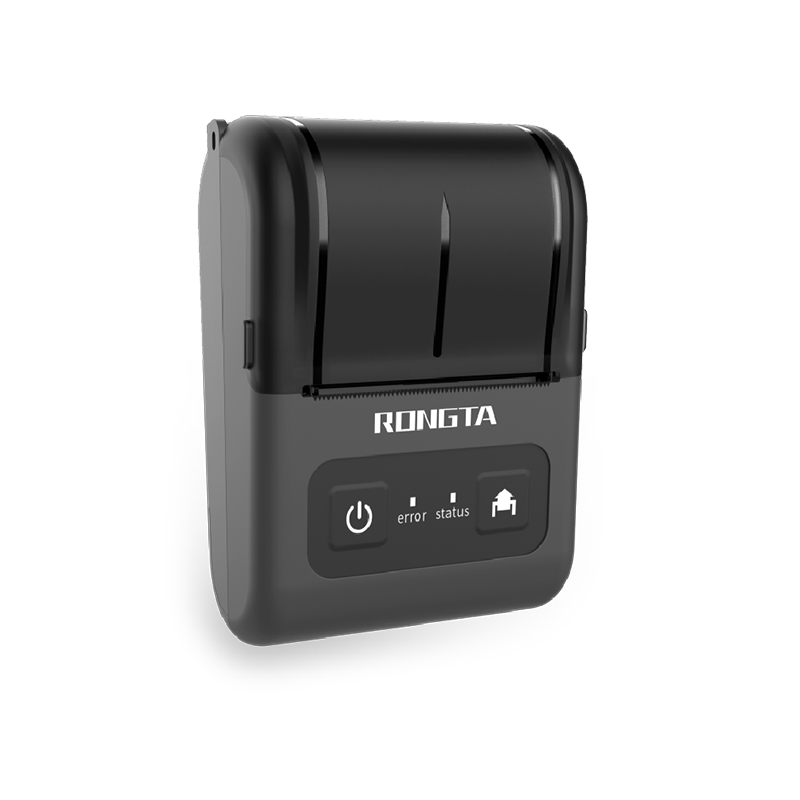 RPP02D Thermal Portable Printer
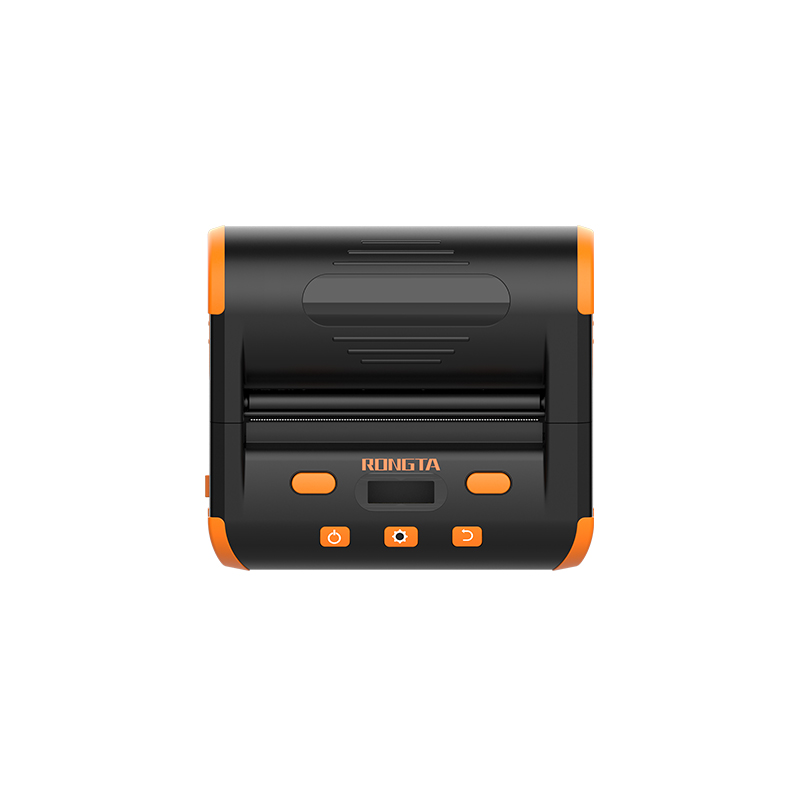 RPP04 4" Portable Label Printer
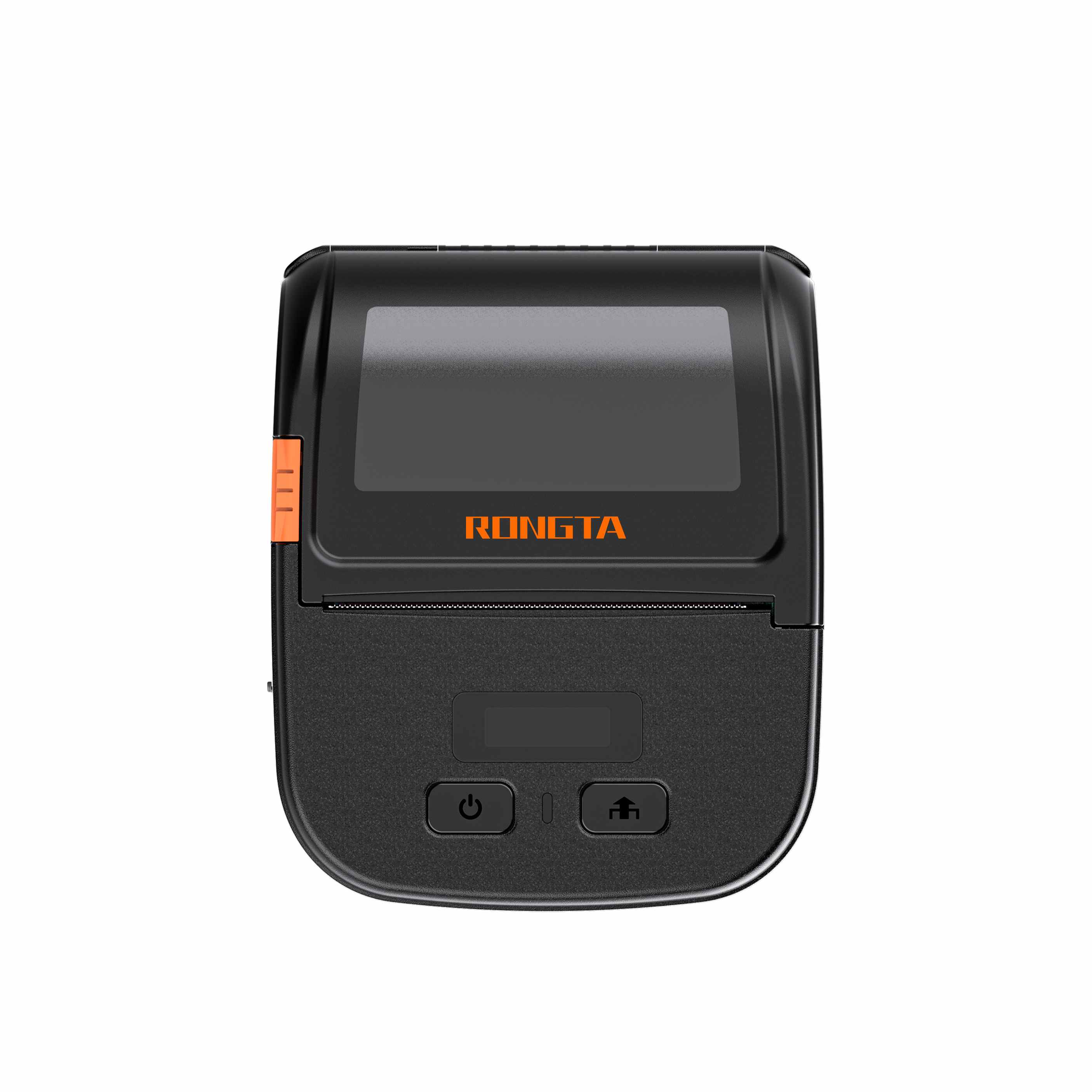 RPP30 3" Portable Label Printer
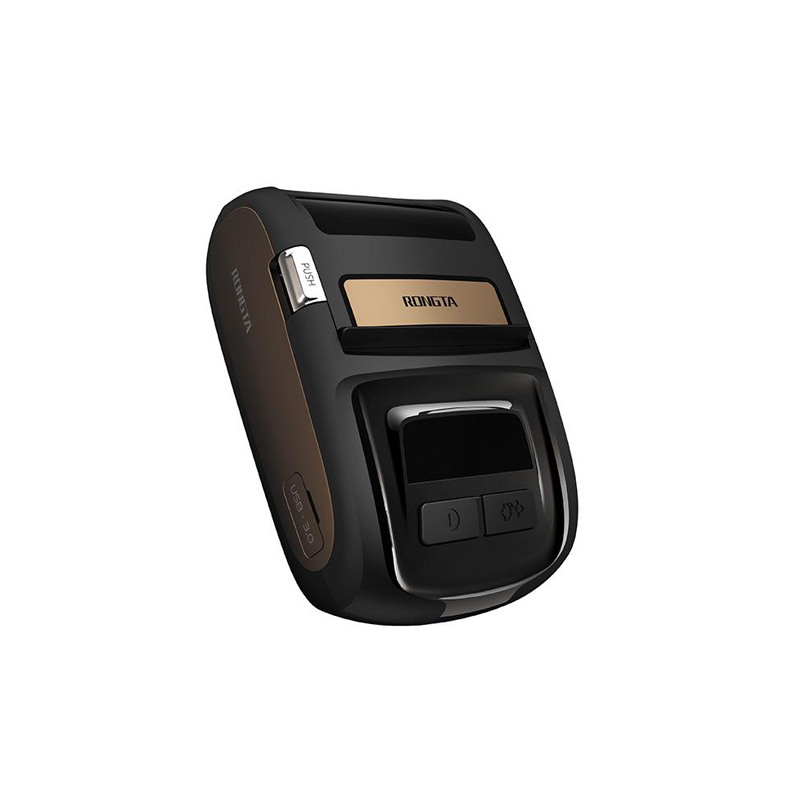 ACE M1 2" Portable Label Printer
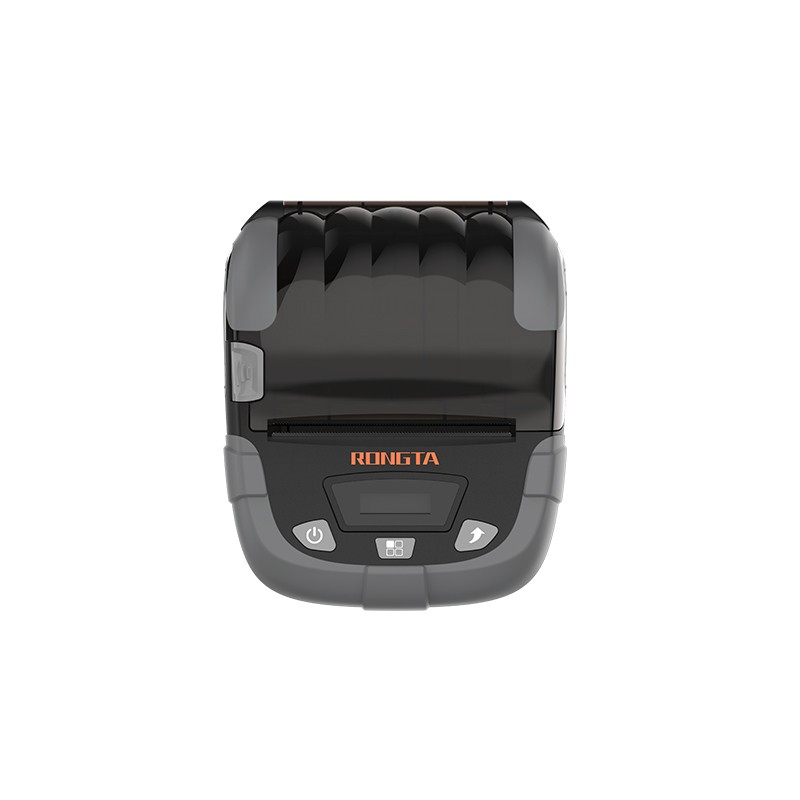 RPP320N 3" Portable Label Printer
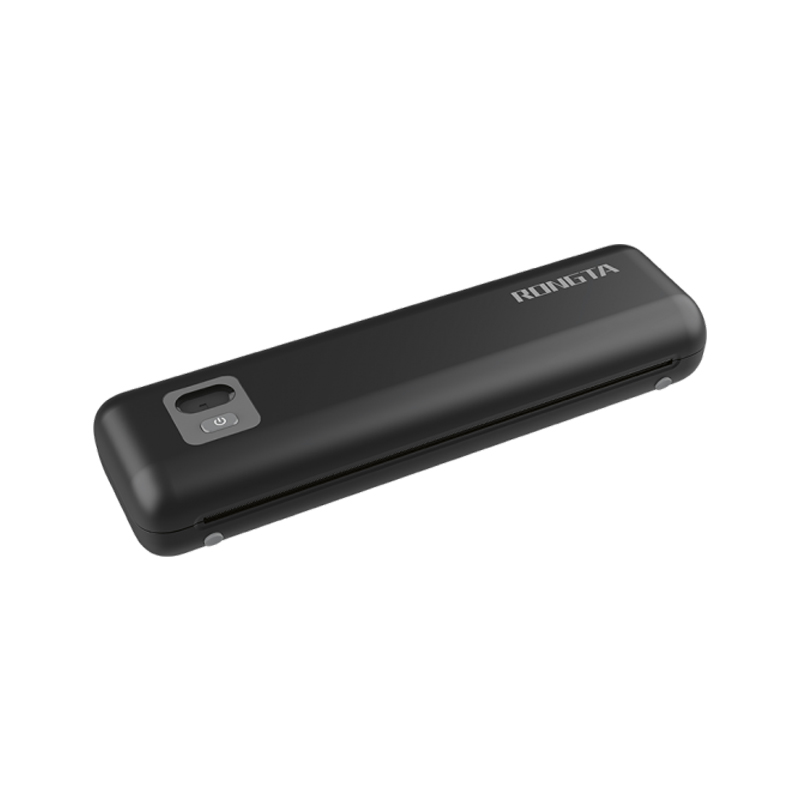 F82A A4 Front-Out Paper Tray Thermal Printer
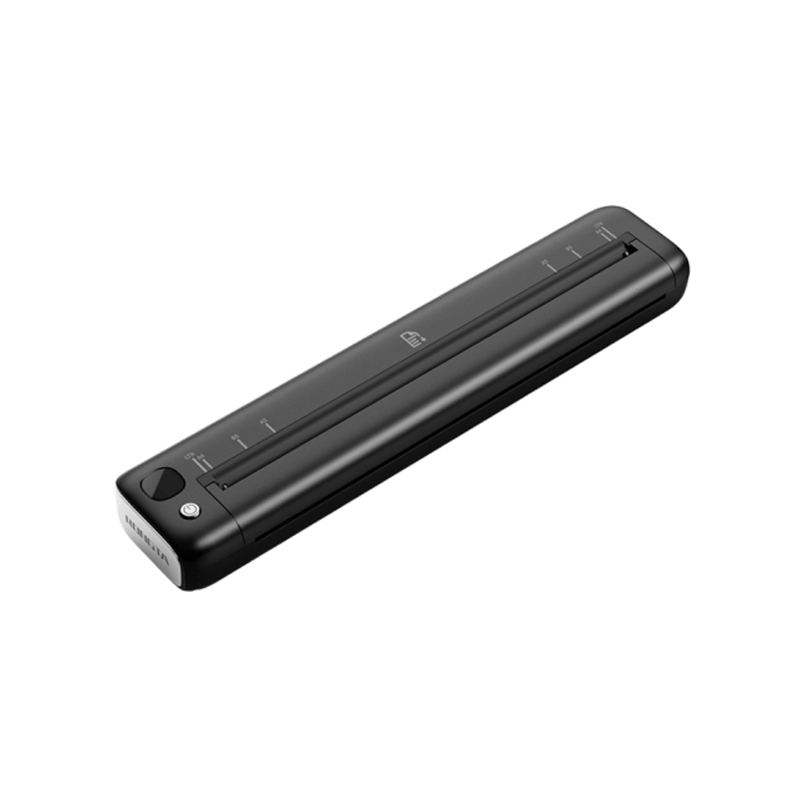 F81A Portable A4 Thermal Printer
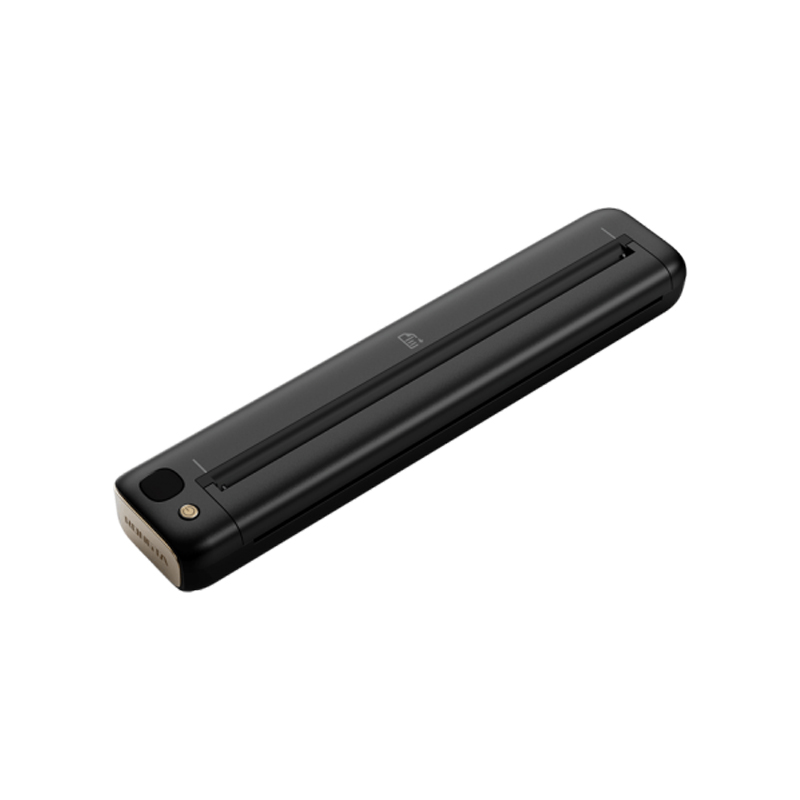 F81S Portable A4 Tattoo Printer
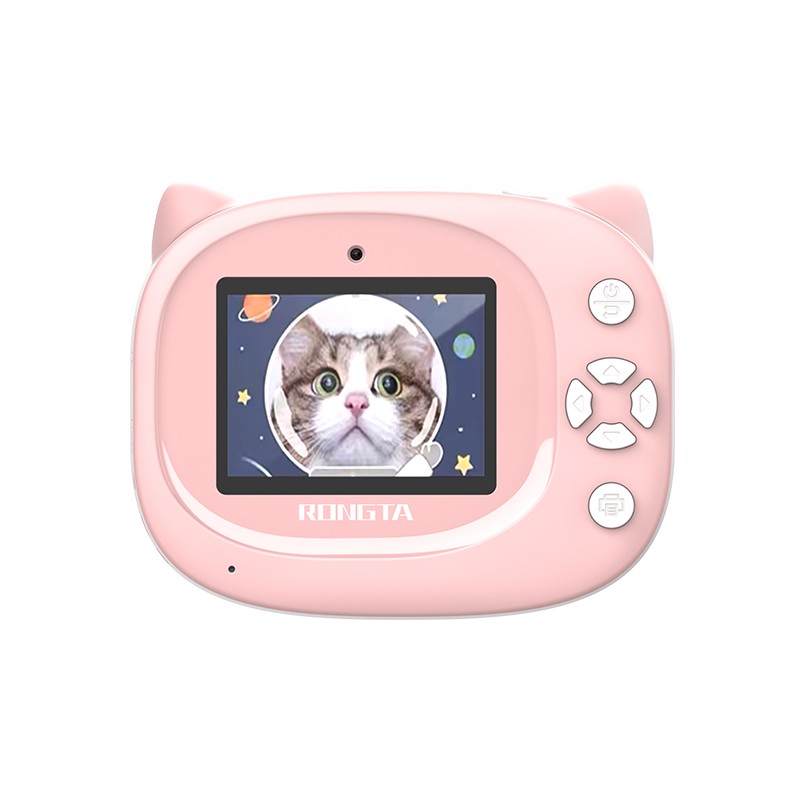 Z1 Children's Educational Photo Printer
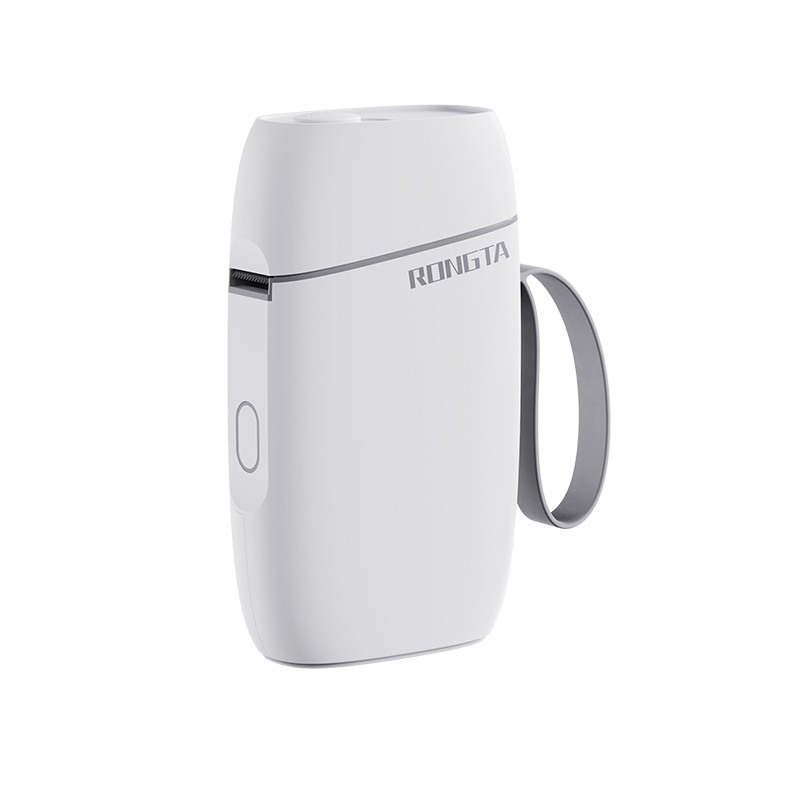 R5 Mini Label Printer
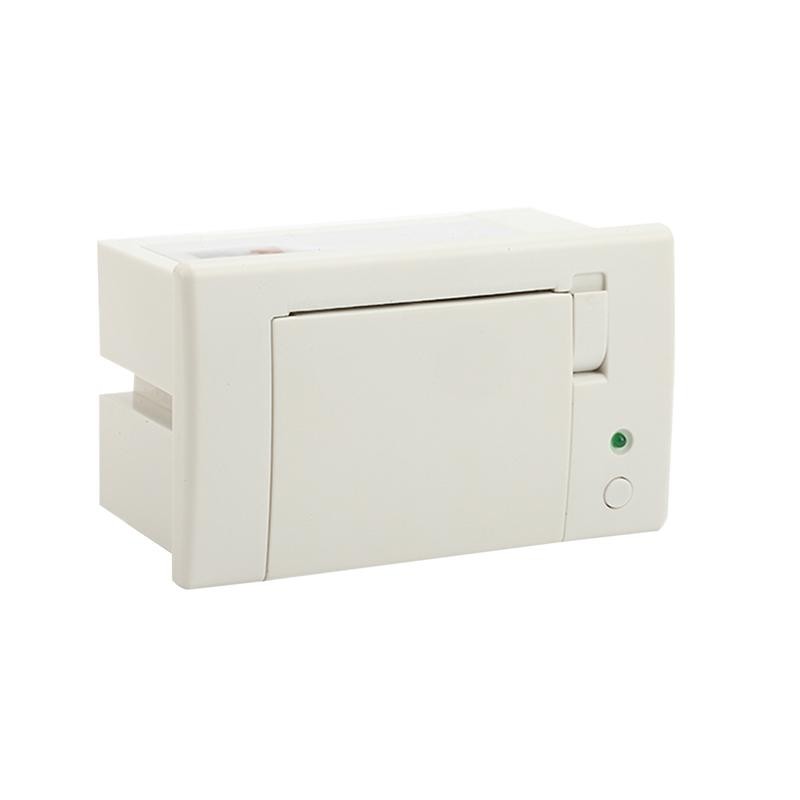 RP07 58mm Embedded Printer
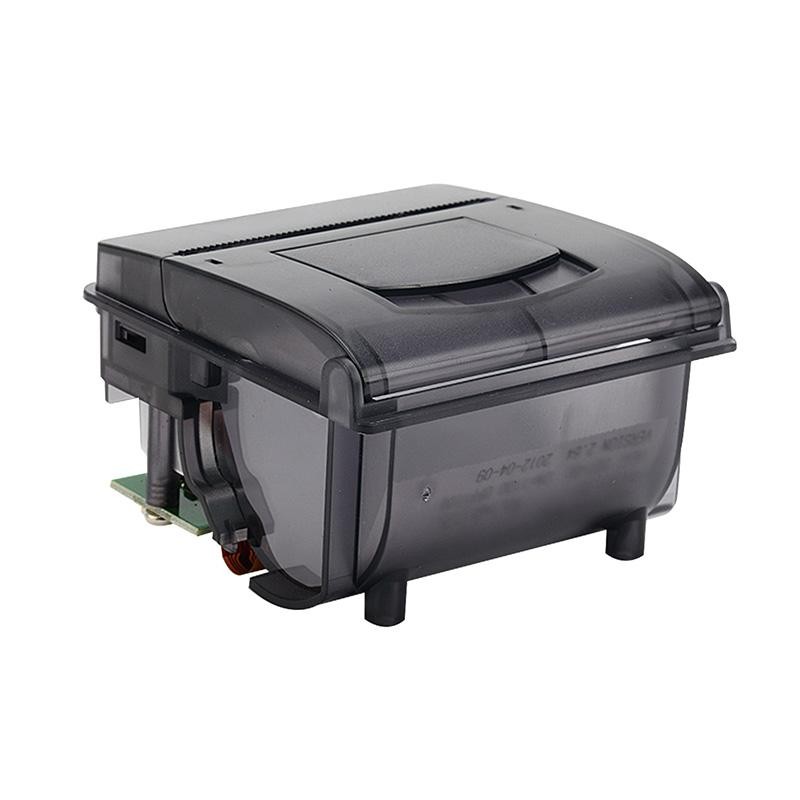 RP203 58mm Embedded Printer
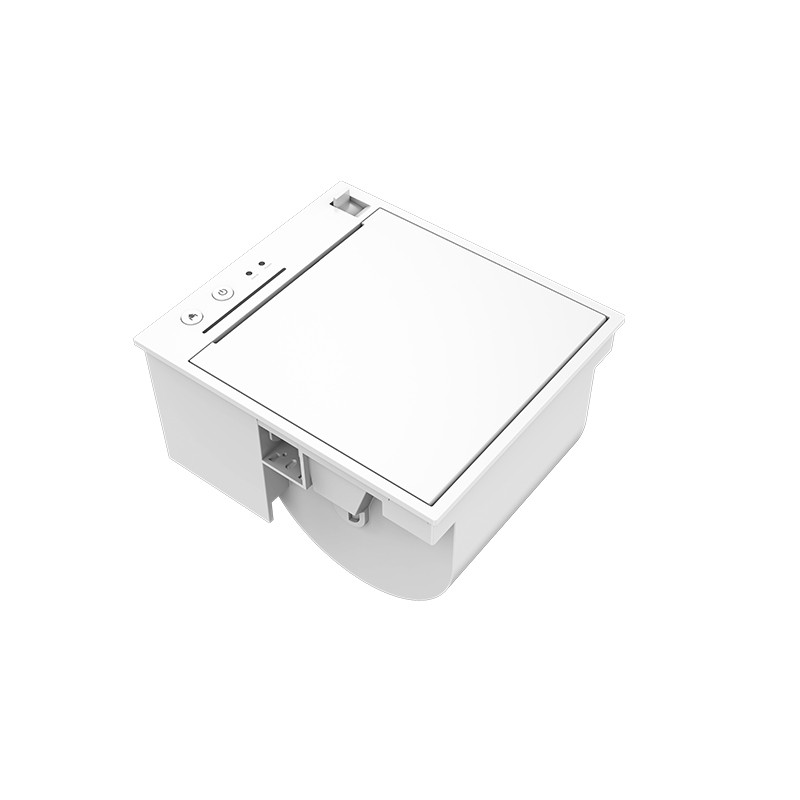 PM315 Embedded Thermal Printer
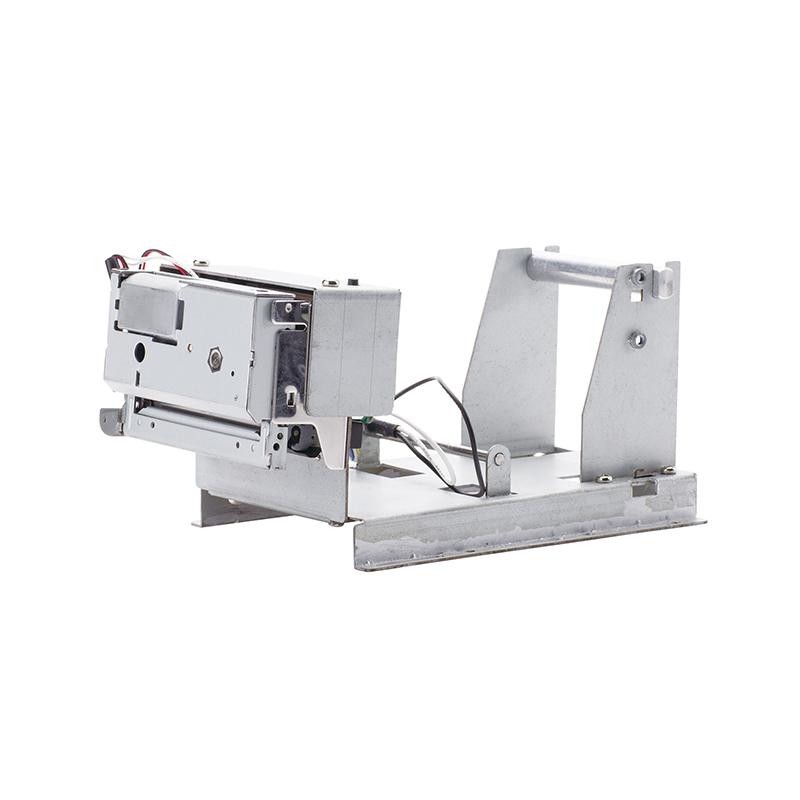 PM201 48mm Printing Module
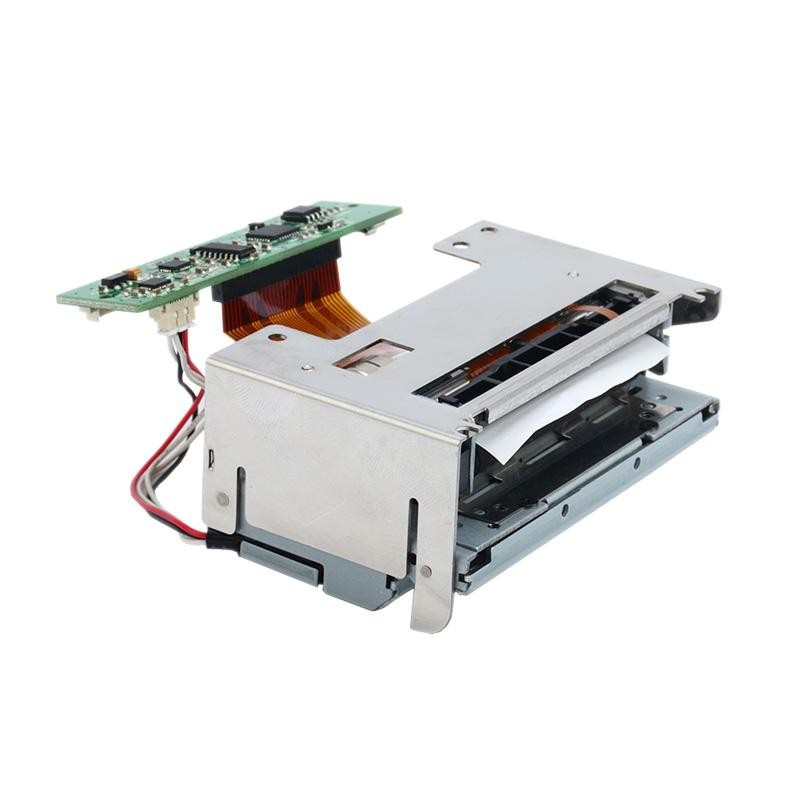 PM628 58mm printing module
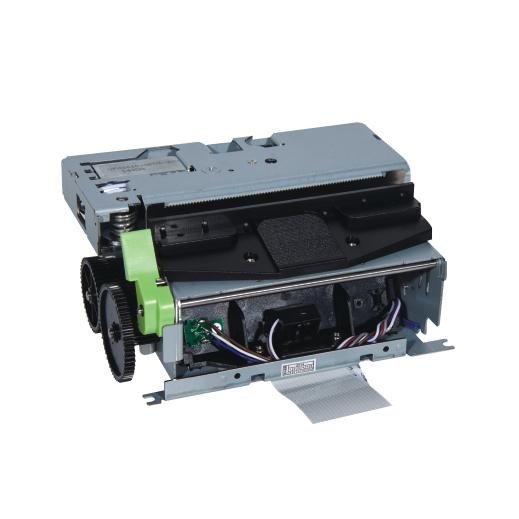 PM532A Printing Module
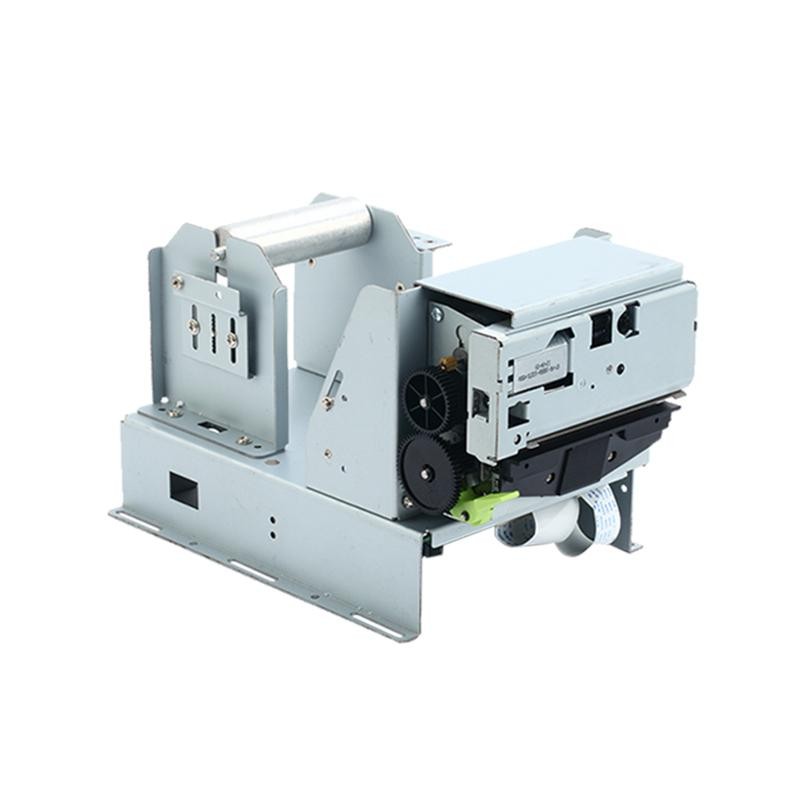 PM532B printer module
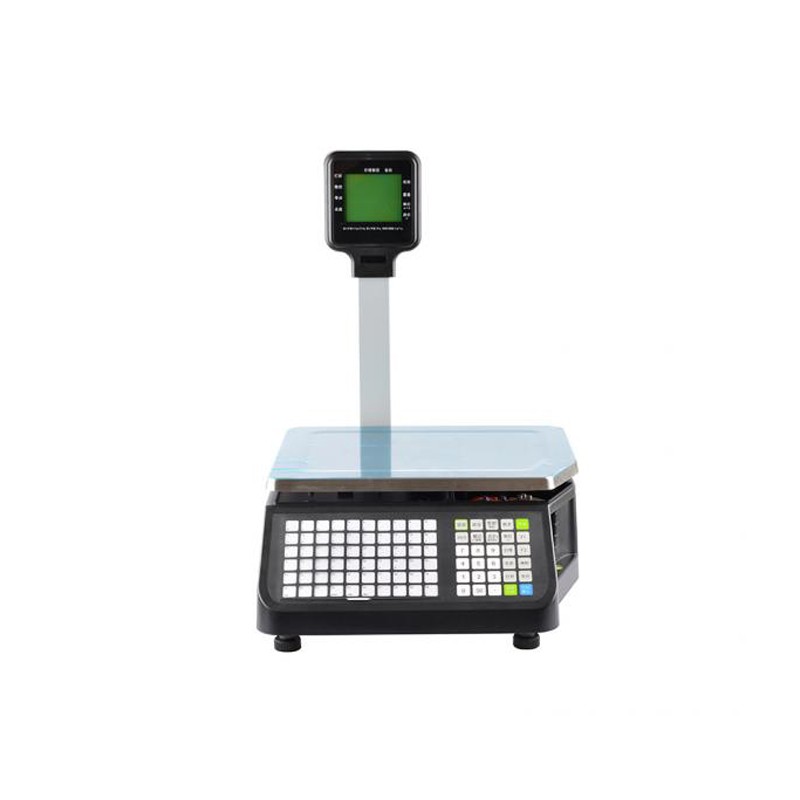 LS015/LS015A Barcode Scale
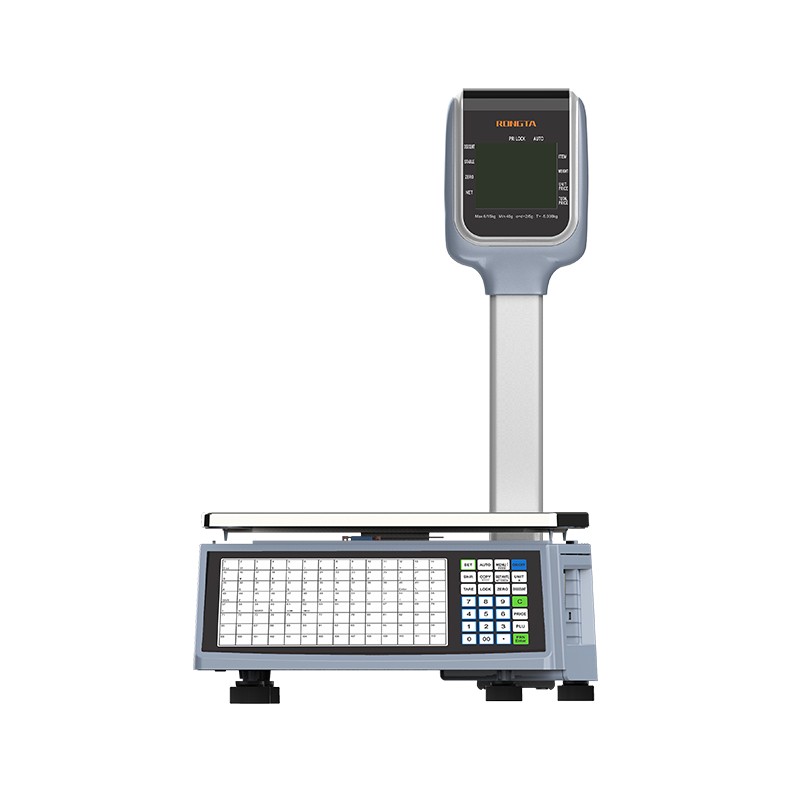 RLS1815D/RLS1830D Barcode Scale
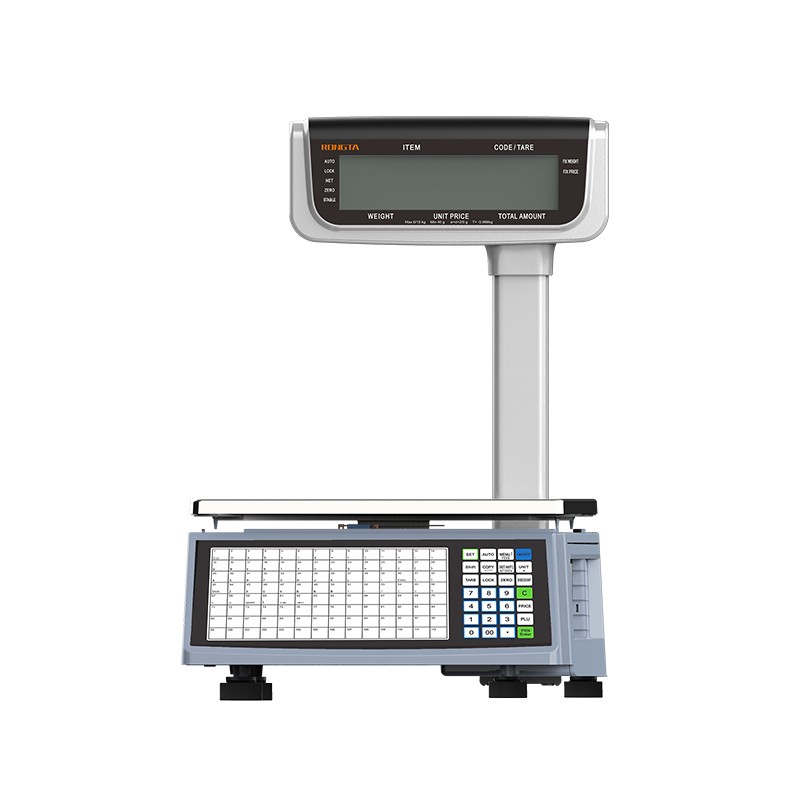 RLS1815C/RLS1830C Barcode Scale
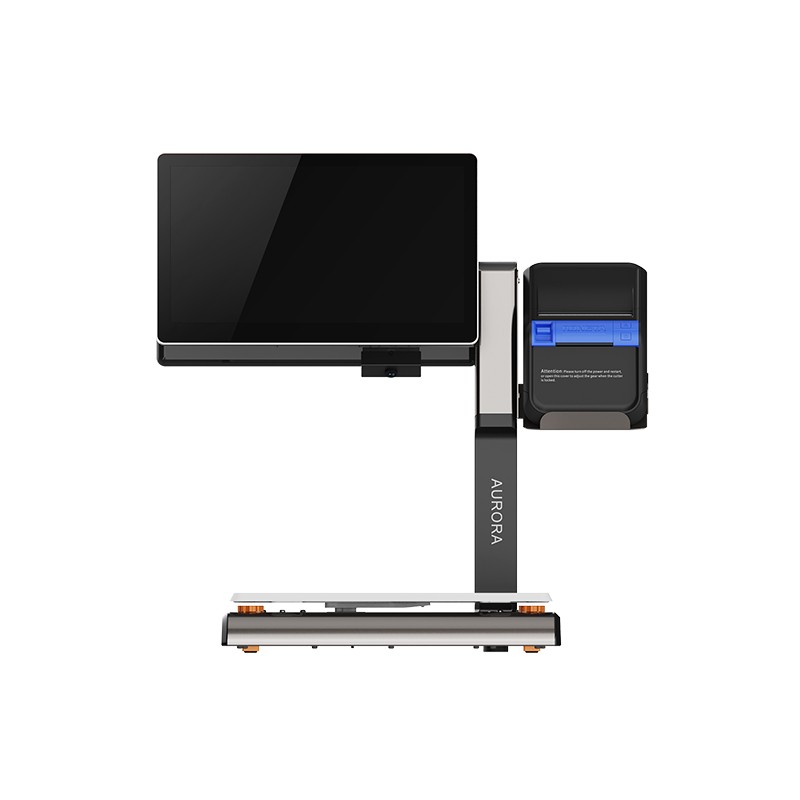 AURORA S2L-S Labelless Scale
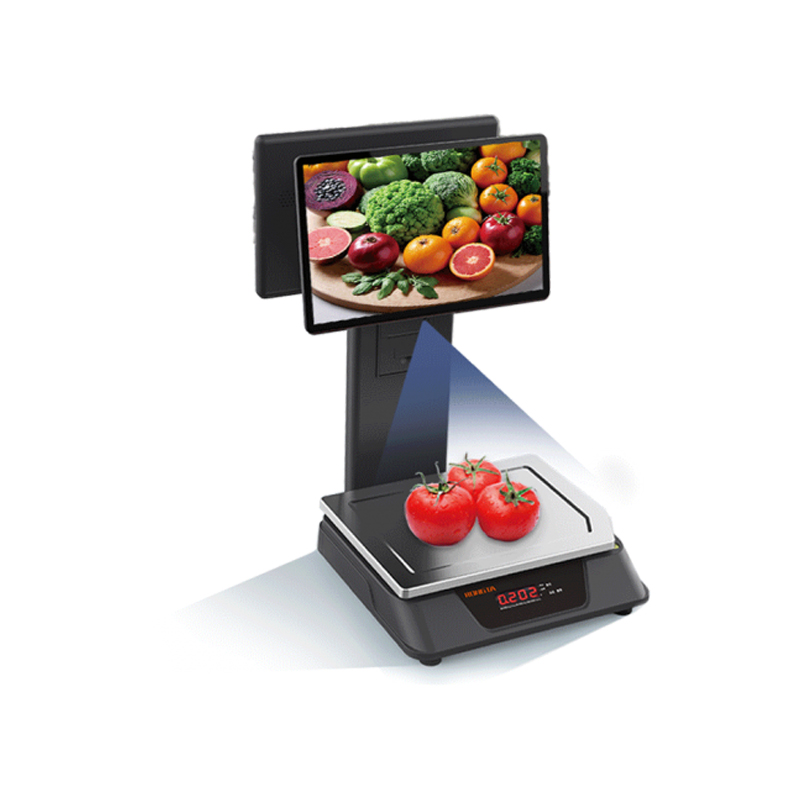 AURORA E1 PRO-AI Cash Register Scale
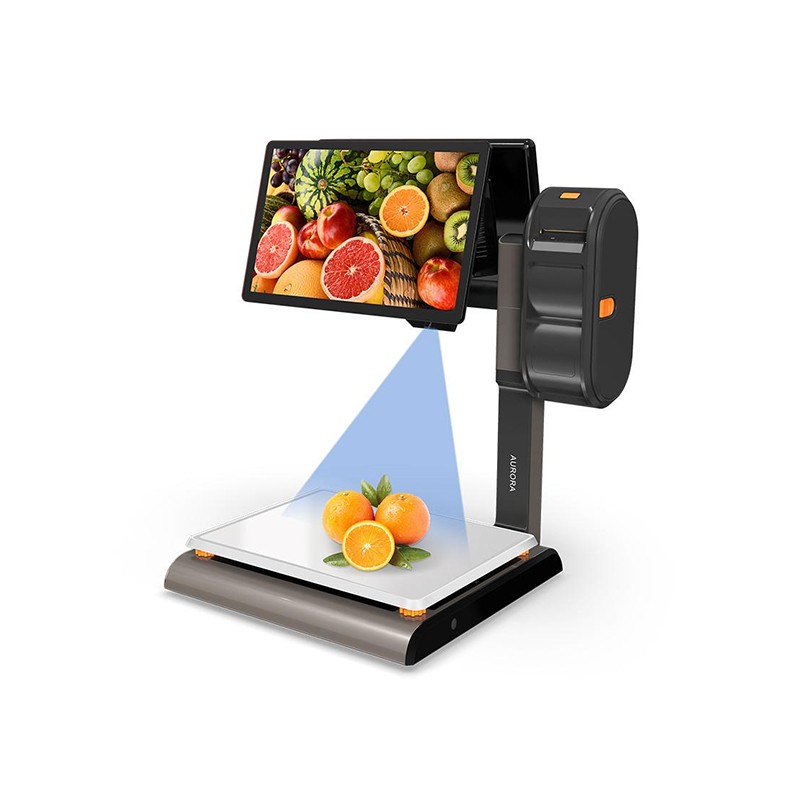 AURORA S2L-AI Label Scale
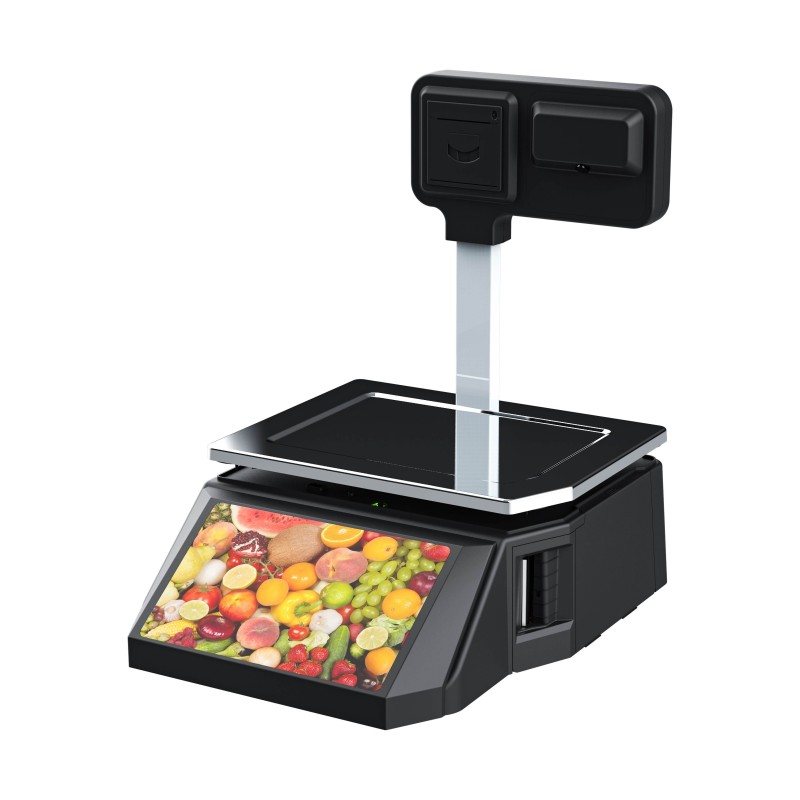 DP01-AI Smart Tag Cashier Dual-Use Scale
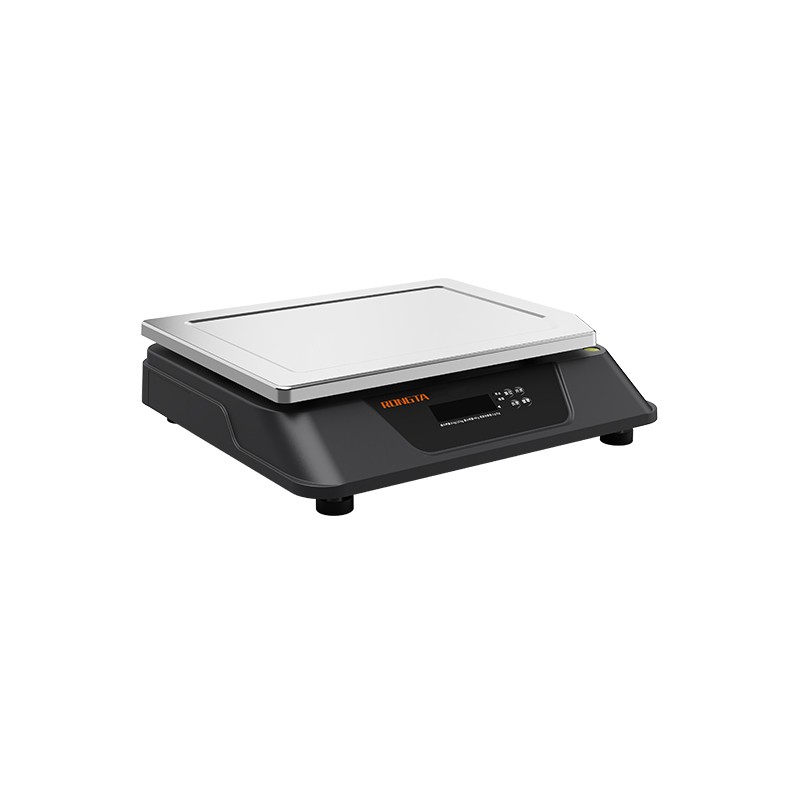 C3 Weighing Scale
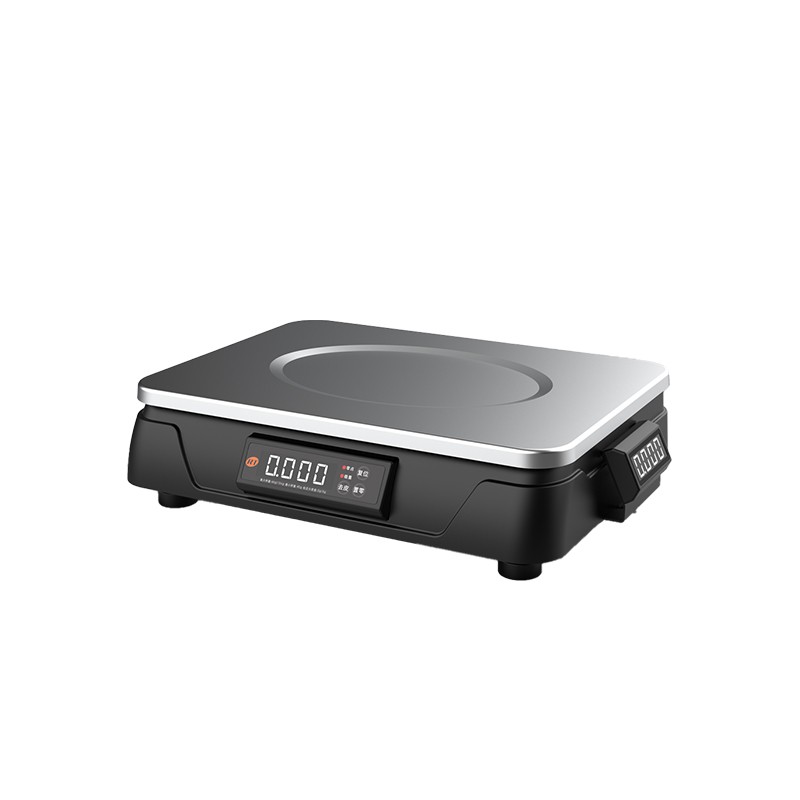 C1 weighing scale
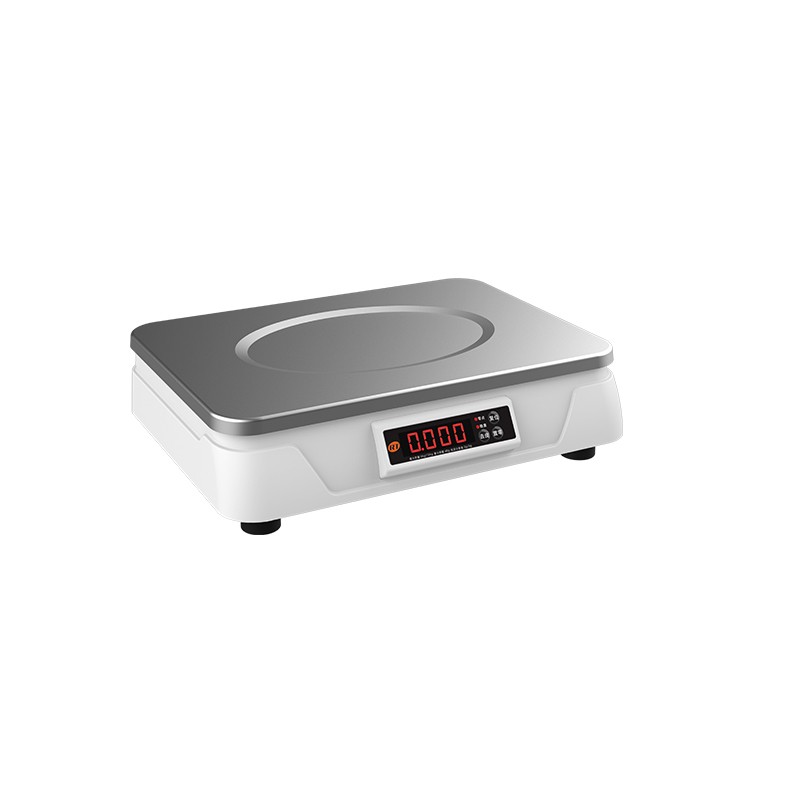 C11 Weighing Scale
 retail
 FOOD
FOOD Medical
 Mobile office/home
 asset Management
 logistics
 Driver download
 User Manual
 Tool Download
 Tag software
 Product Video
 Development Documentation
 Frequently Asked Questions
 User Guide
 Company News
 Exhibition Updates
 Industry Insights
 Product Update
 General situation
 Development history
 Honors and Qualifications
 R&D strength
 Team activities
 Social responsibility




The global barcode printer market size in 2026 is expected to reach US$5.656 billion.

Article Summary: A report by market research firm Future Market Insights (FMI) indicates that globally...Barcode printerSales reached $2.758 billion in 2016, with sales volume reaching 30.86 million units. The report predicts that the barcode printer market will grow at a CAGR of 7.4% during the forecast period of 2016-2026, reaching a market size of $5.656 billion by 2026.
Since its inception, barcode technology has gradually become one of the most common information management methods in modern society due to its flexibility, efficiency, reliability, and low cost in information collection. Barcode reading and printing equipment is the prerequisite and foundation for the widespread application of barcode technology. Furthermore, with the continuous development of barcode technology, it has become an indispensable basic equipment in the construction of information systems for industries such as retail, logistics and warehousing, product traceability, industrial manufacturing, healthcare, e-commerce, and transportation.

A barcode printer is a specialized type of printer. The biggest difference between a barcode printer and a regular printer is that barcode printers use heat as their printing medium, employing a ribbon (or thermal paper) to complete the print. The biggest advantage of this printing method over regular printing is its ability to achieve continuous, high-speed printing unattended. The content it prints typically includes company logos, serial numbers, packaging labels, barcodes, envelope labels, clothing tags, and so on.

A recent FMI report indicates that global barcode printer sales reached $2.758 billion in 2016, with sales volume reaching 30.86 million units. The report forecasts that during the forecast period of 2016-2026, the barcode printer market will grow at a CAGR of 7.4%, reaching $5.656 billion in market size and 53.84 million units in sales volume by 2026, representing a CAGR of 5.7%.
According to Consumer Electronics Net, many manufacturing companies worldwide are reducing time and material waste and increasing efficiency and output by automating and simplifying processes. Barcoding is one of the most widely adopted technologies. This technology can significantly reduce production time in the manufacturing process, thus driving demand for barcode printers.

Digital barcodes have become the standard for storing and labeling product information. Global retailers use barcodes to record goods and sell them to customers. Affixing a label with a barcode to a product records information such as quantity, name, manufacturing/supply date, and price. Scanning the barcode allows for retrieval and monitoring of the information within it. This action, completed in seconds, not only improves efficiency but also minimizes errors, making it convenient for retailers to record their products and inventory in stores and warehouses.
In terms of printing technology, barcode printers use ribbons and labels to print barcodes. Their principle and construction differ slightly from computer printers; they typically lack a programmable logic controller and rely on an external computer system. Currently, thermal transfer barcode printers hold a 62.8% market share, and due to their lower cost, they are expected to continue growing during the forecast period. Matrix, laser, and inkjet technologies will be gradually phased out.

North America and Western Europe are the fastest-growing regions for barcode printers, while Latin America is experiencing slow market growth due to low adoption rates of barcode technology. In the Asia-Pacific region (excluding Japan), barcode printer market growth is also slowing due to saturation and slower growth in the mainland's manufacturing sector.
The 2016-2021 China Barcode Printer Industry Market Demand Report shows that, as printer prices have decreased, they have gradually become more widespread in China. Abroad, almost all production units are equipped with a label and barcode printer for product identification and other purposes. Moreover, most companies also have auxiliary equipment such as barcode readers and barcode data collectors (inventory machines) to form an automated management model for barcode management within the company.
Currently, the barcode industry has become one of the important technological means to promote the informatization of the national economy. In today's era of economic and information globalization, its development and the promotion of its technological applications play a pivotal role in the development of my country's informatization. Looking ahead to 2019, the demand for barcode reading and printing equipment in my country's retail, logistics, and warehousing sectors will continue to maintain steady growth.