

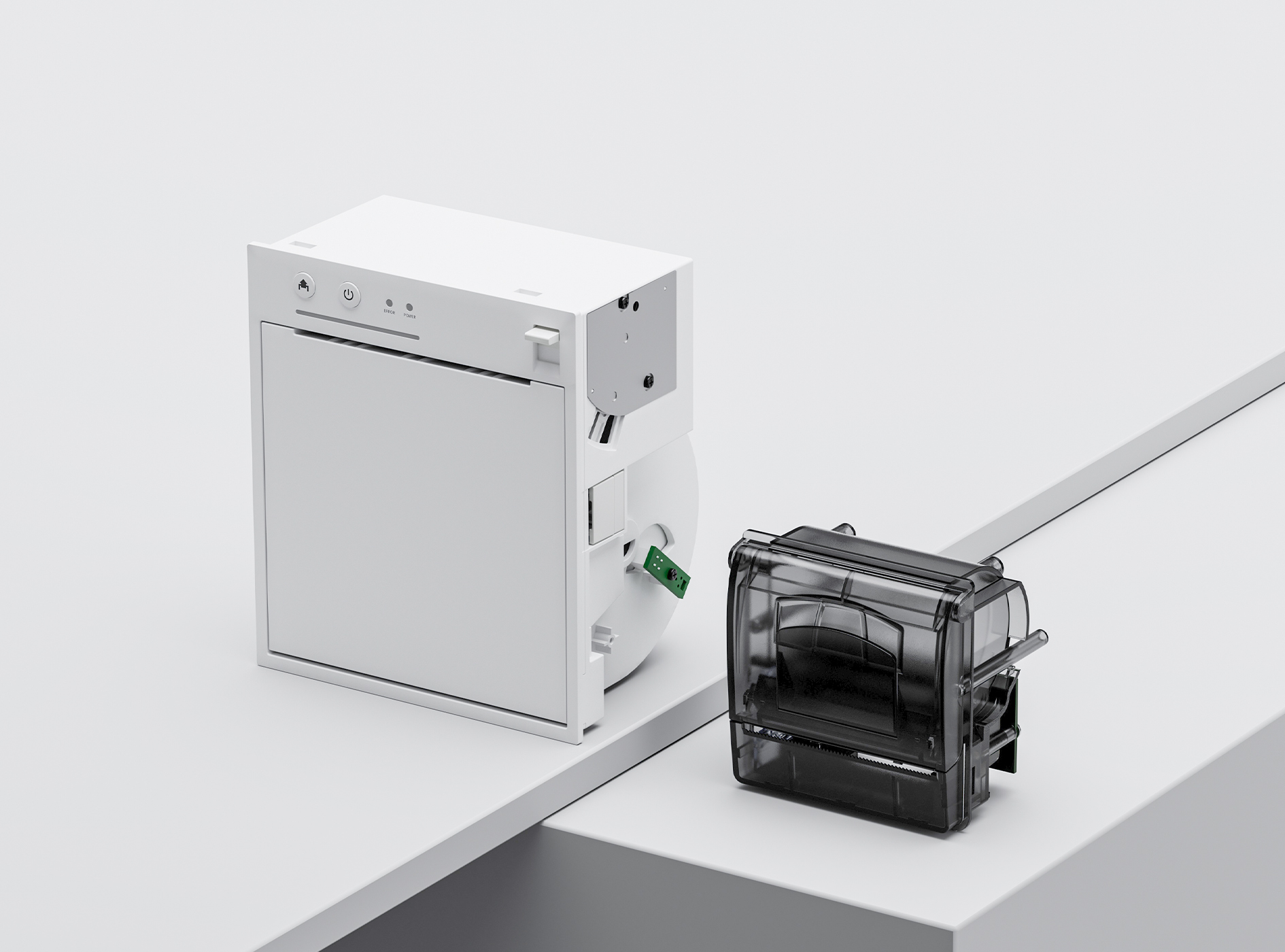
 80mm Receipt Printer
 ACE H2 Receipt Printer
 RP337 Receipt Printer
 RP336S Dual-Color Receipt Printer
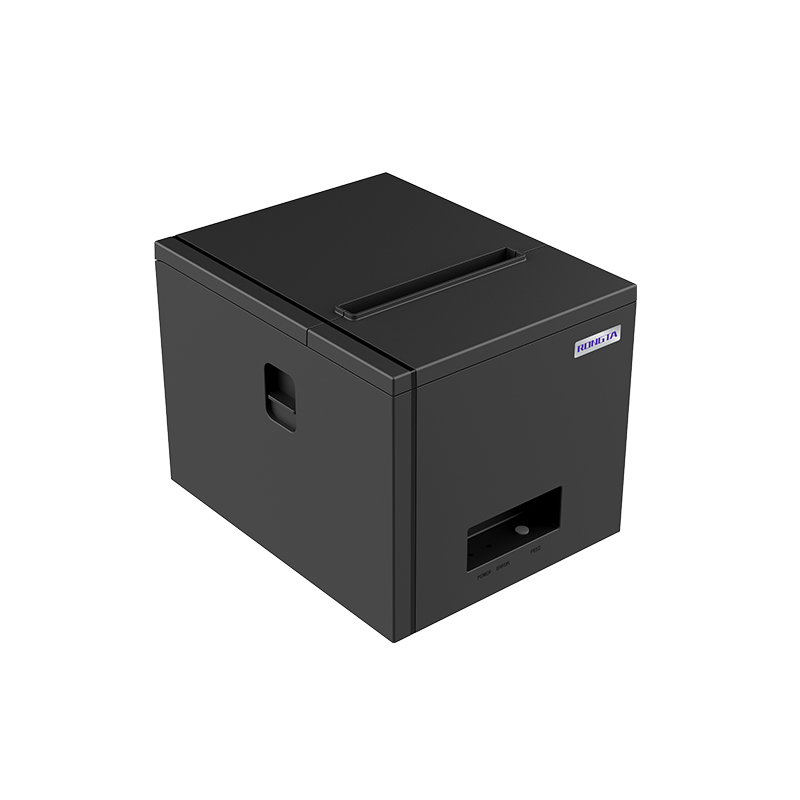 RP350 Receipt Printer
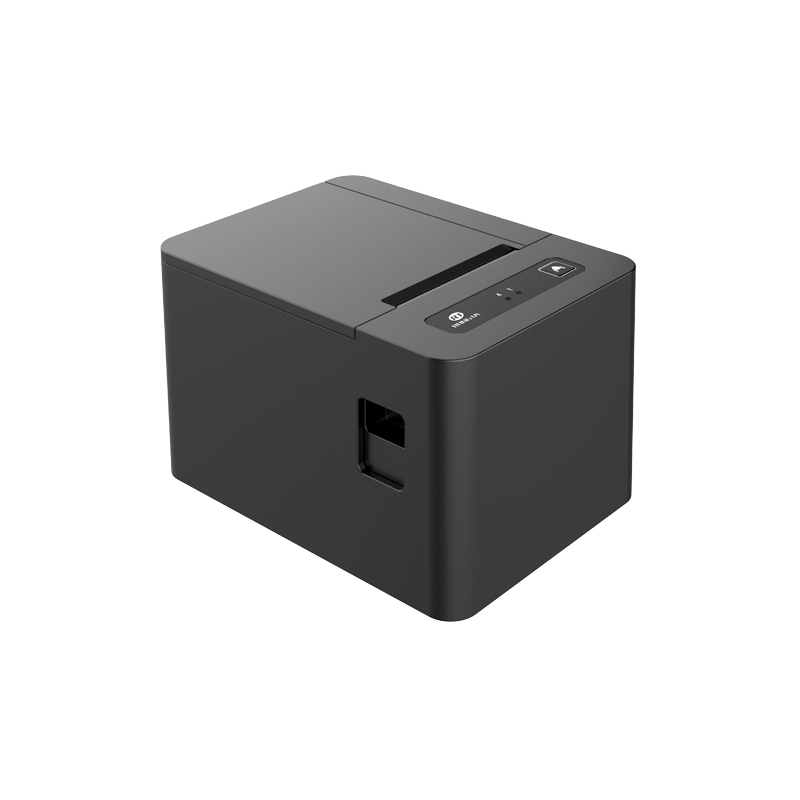 RP582 Receipt Printer
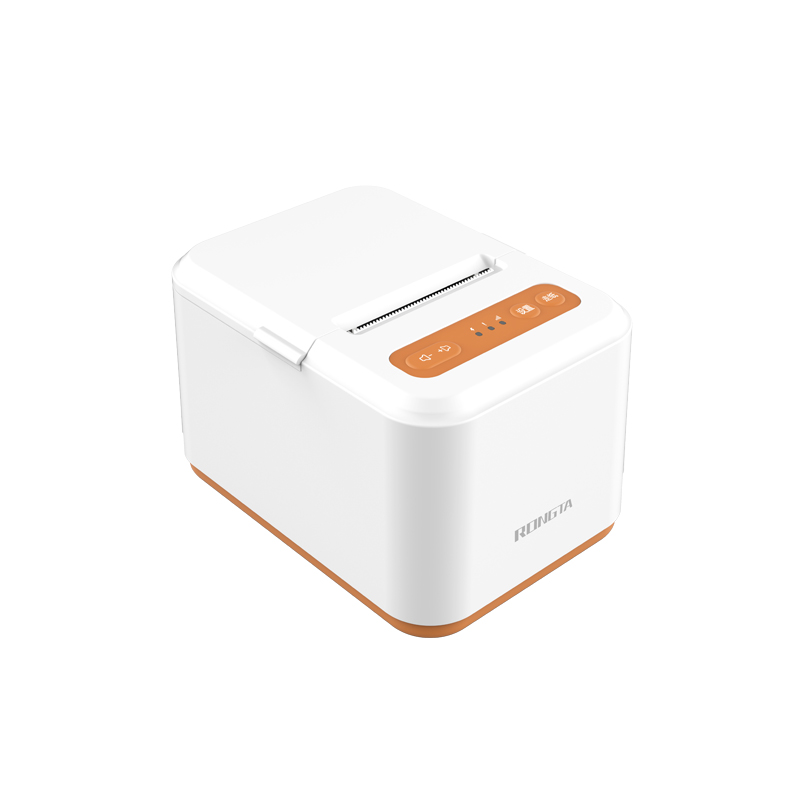 RP581 Receipt Printer
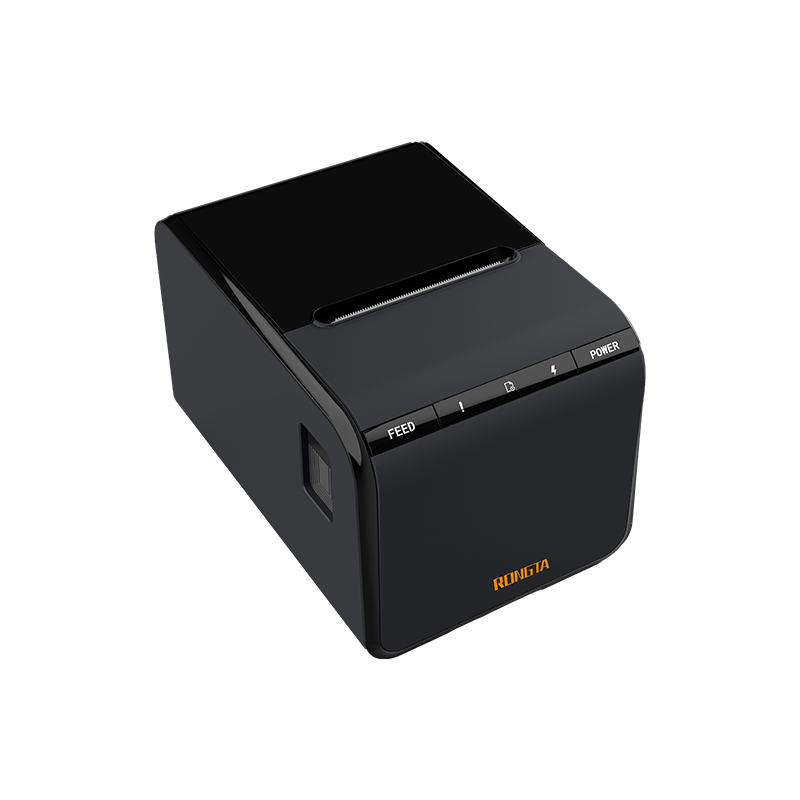 ACE G1Y Receipt Printer
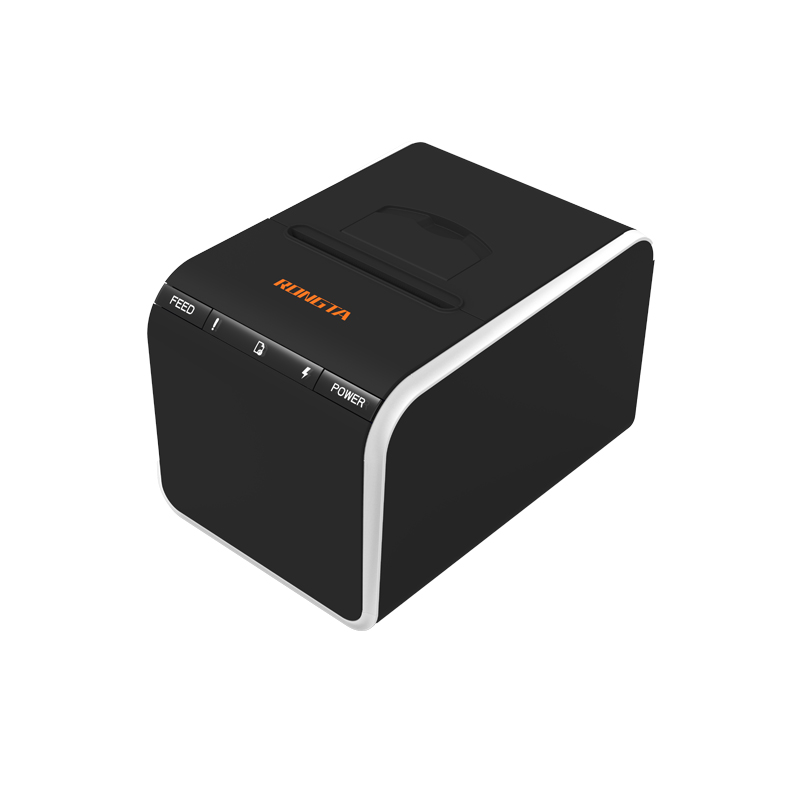 ACE G1YP Cloud Printer
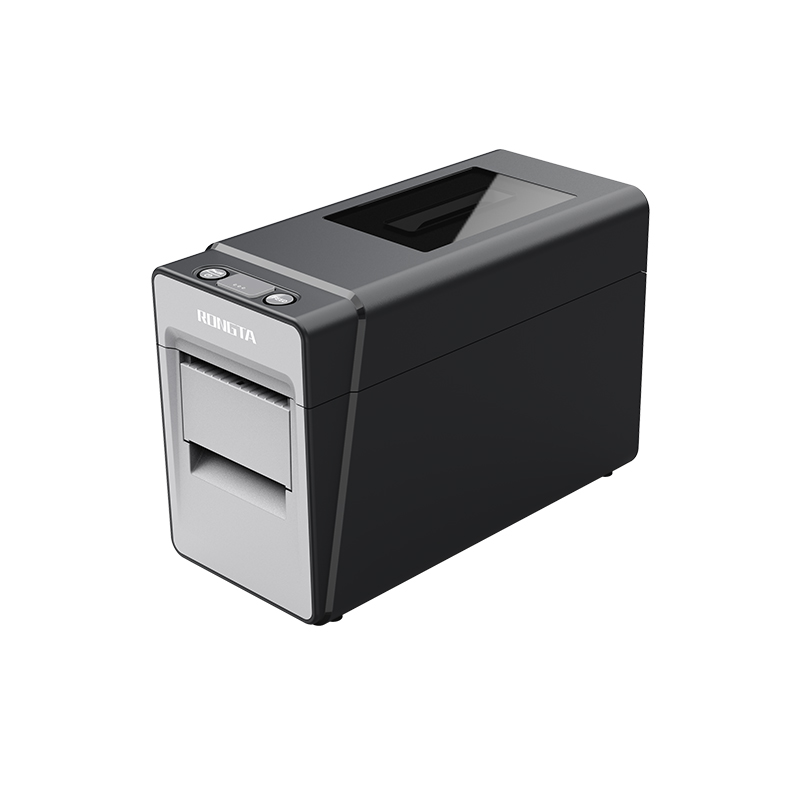 RP216 2'' Dual-color High-definition Label Printer
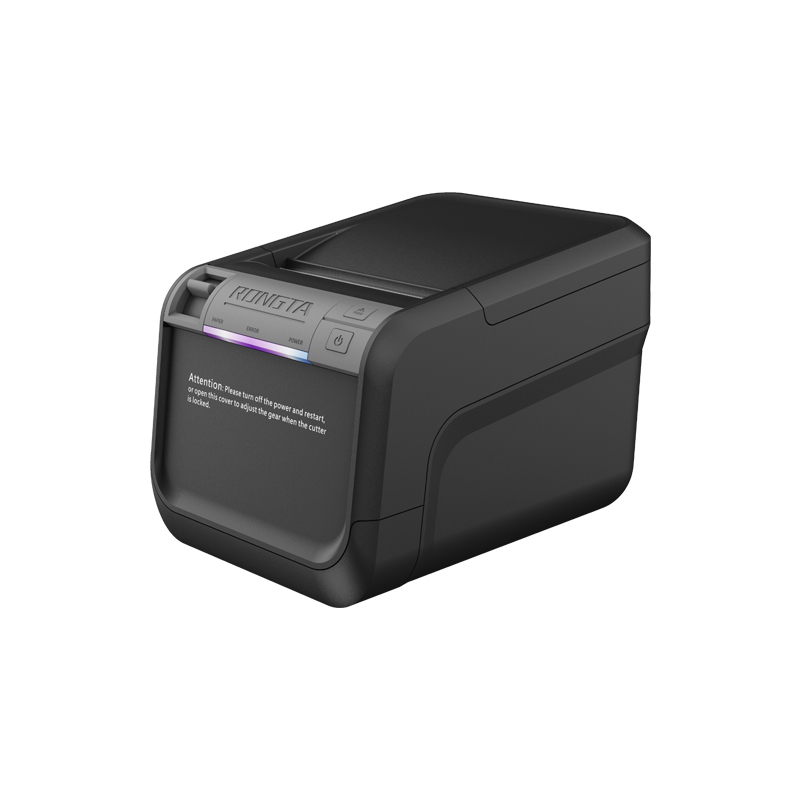 ACE V1S 3'' Backless Label Printer
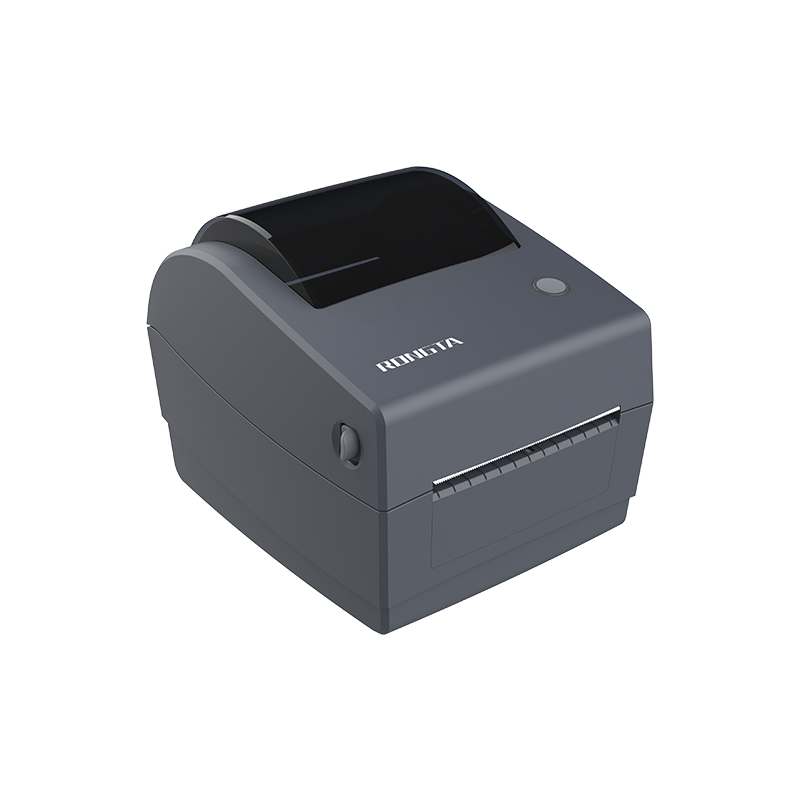 RP310D 3'' Dual-color Label Printer
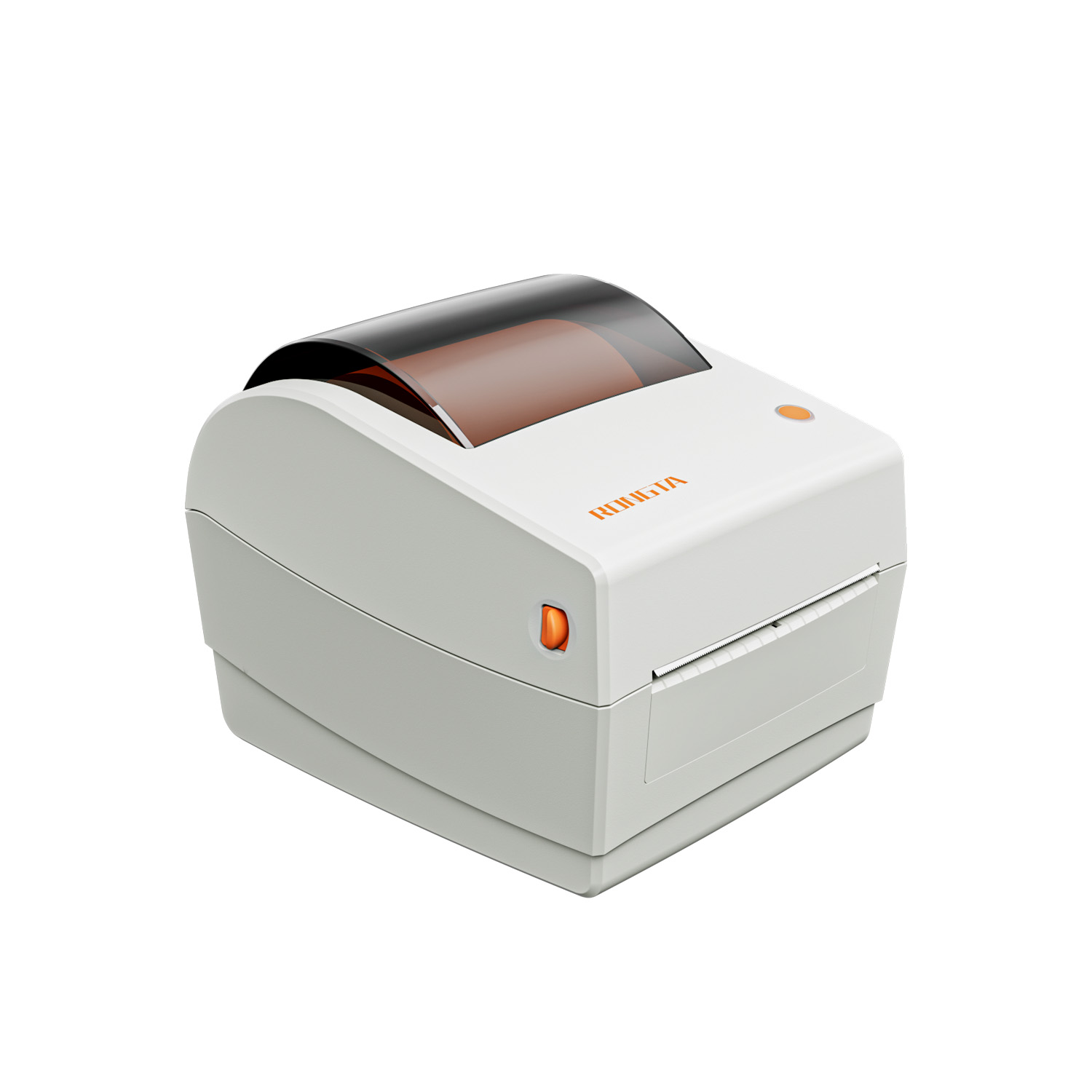 RP410N 4'' Thermal Label Printer
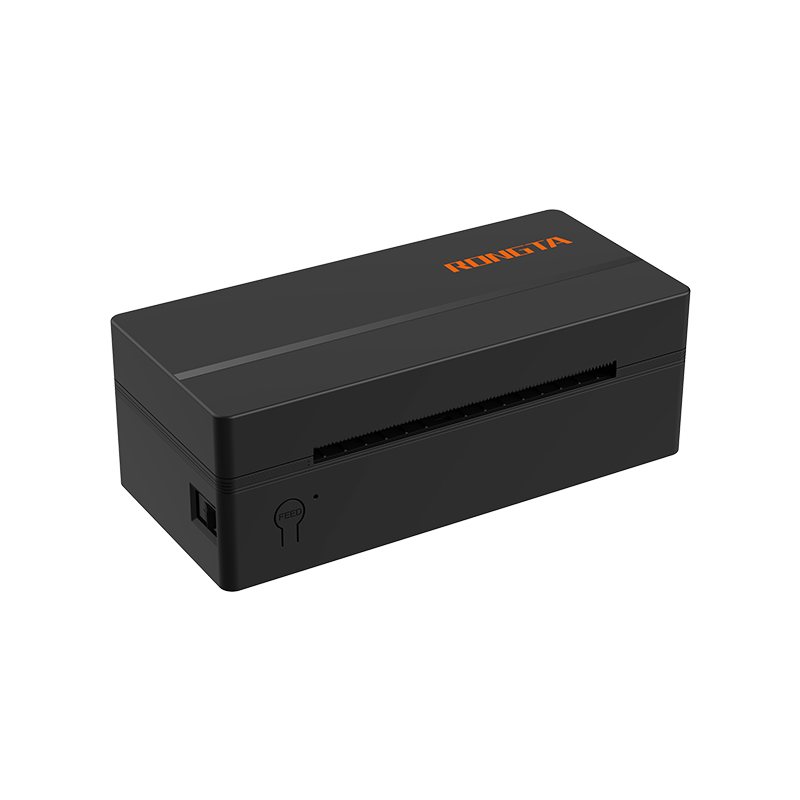 RP425 4'' Electronic Waybill Printer
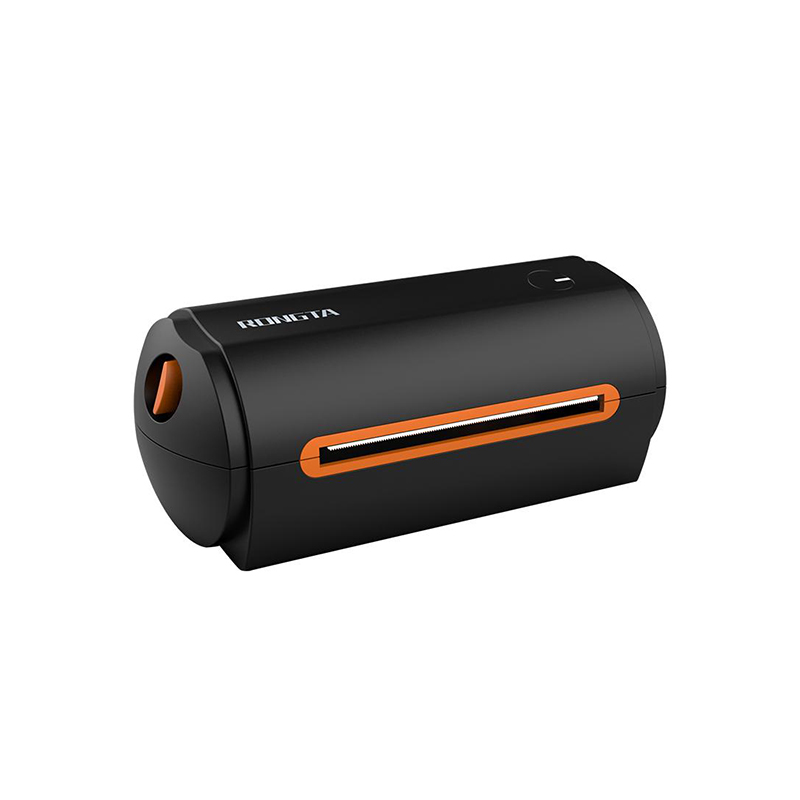 RP422 4'' Electronic Waybill Printer
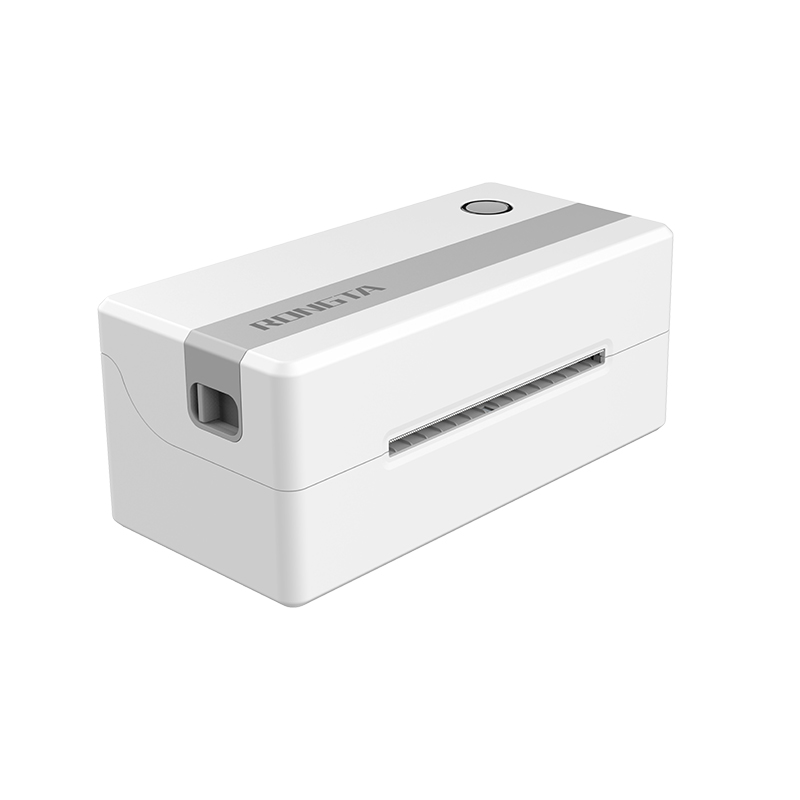 RP421A 4'' Electronic Waybill Printer
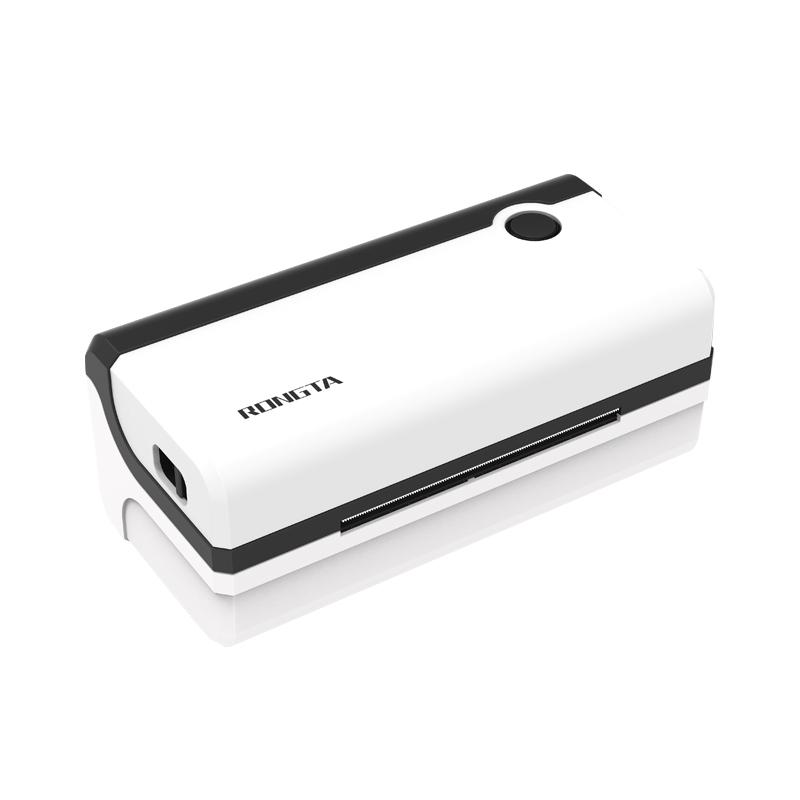 RP420 4'' Electronic Waybill Printer
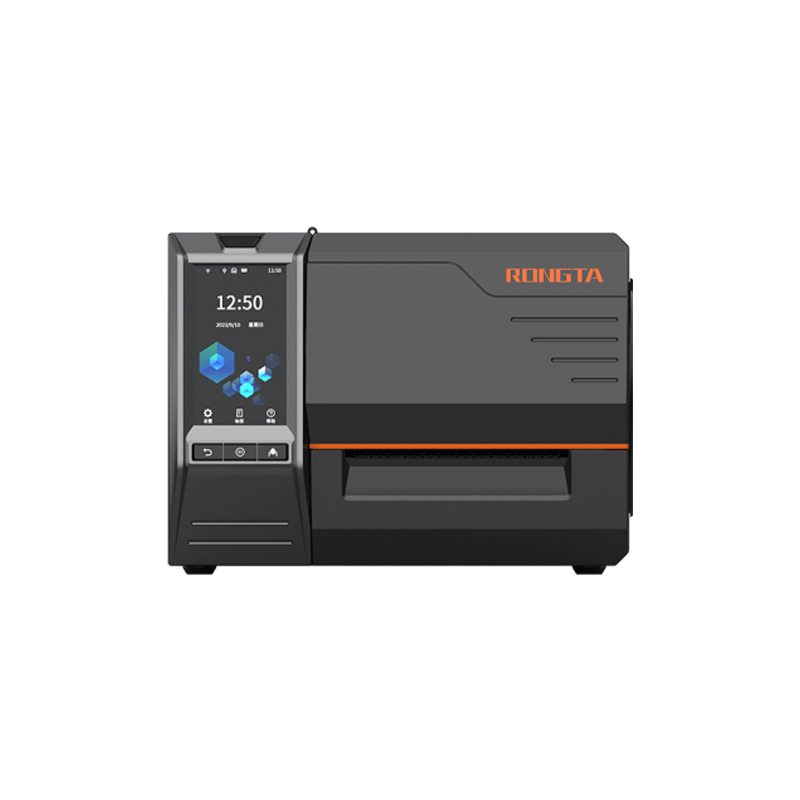 RI463 Series Barcode Printers
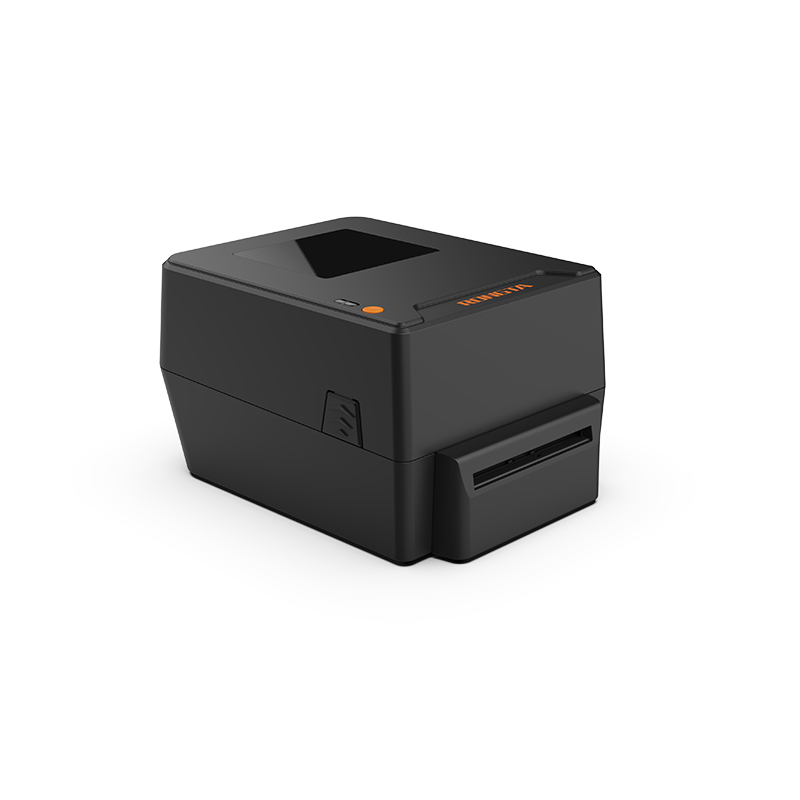 RP400A 4'' Thermal Transfer Tape Cutter Printer
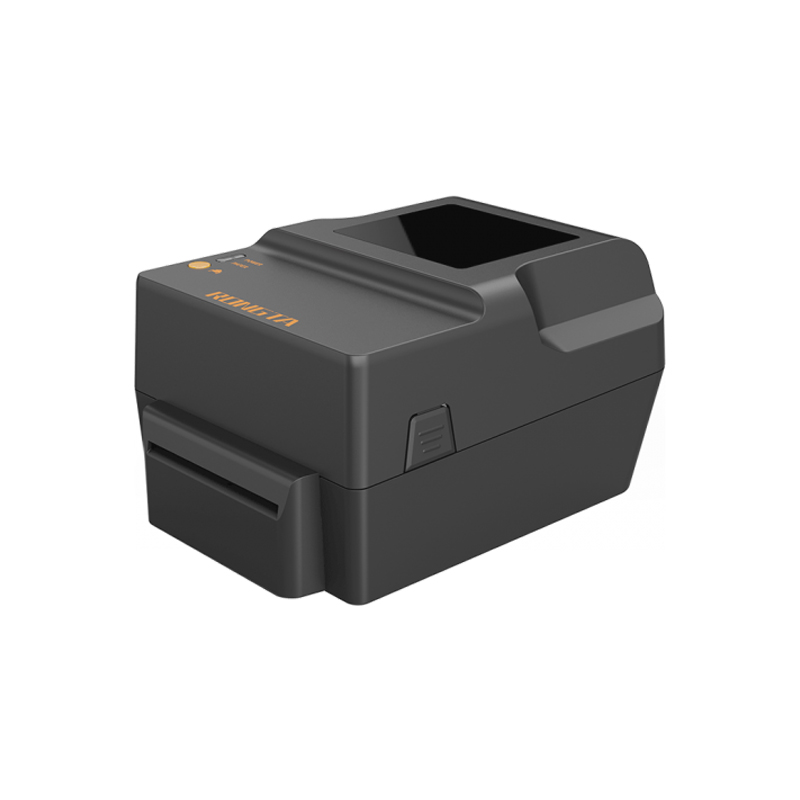 RP400H 4'' Thermal Transfer Tape Cutter Printer
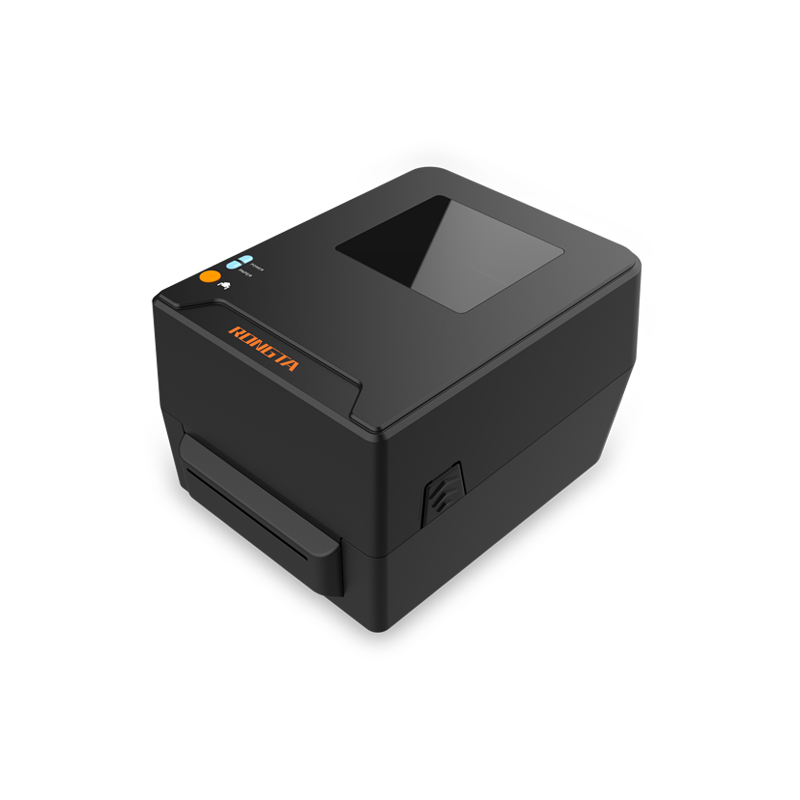 RPF413 300dpi RFID barcode label printer
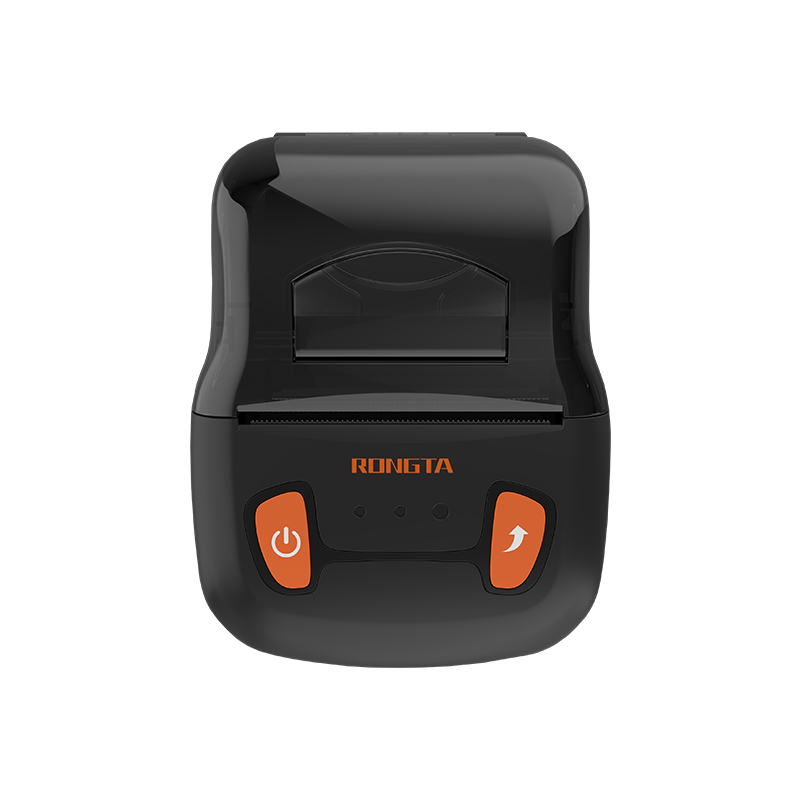 RPP02A Portable Receipt Printer
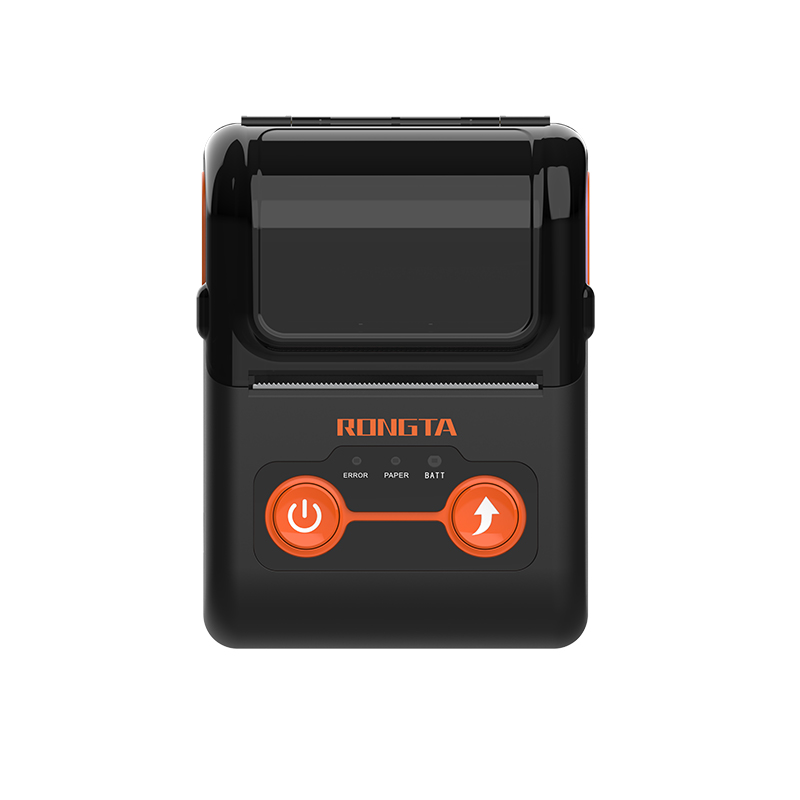 RPP02B Thermal Portable Printer
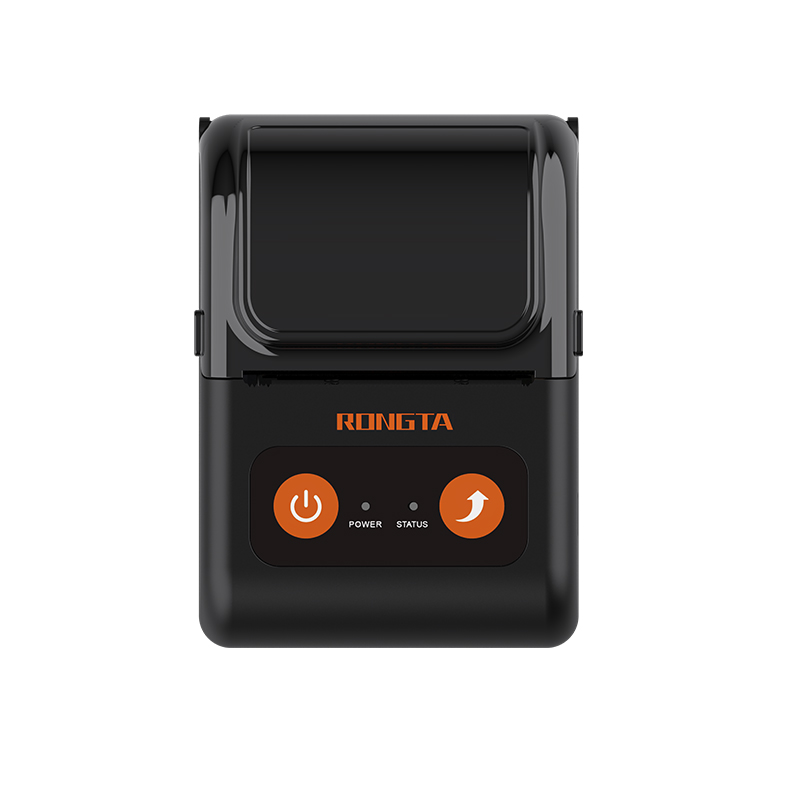 RPP02C Portable Receipt Printer
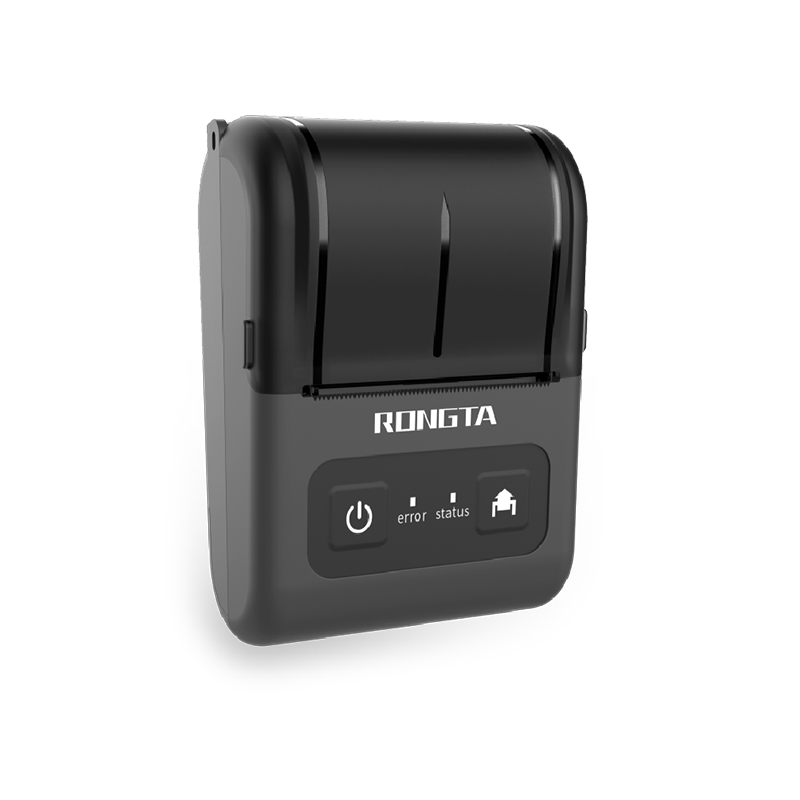 RPP02D Thermal Portable Printer
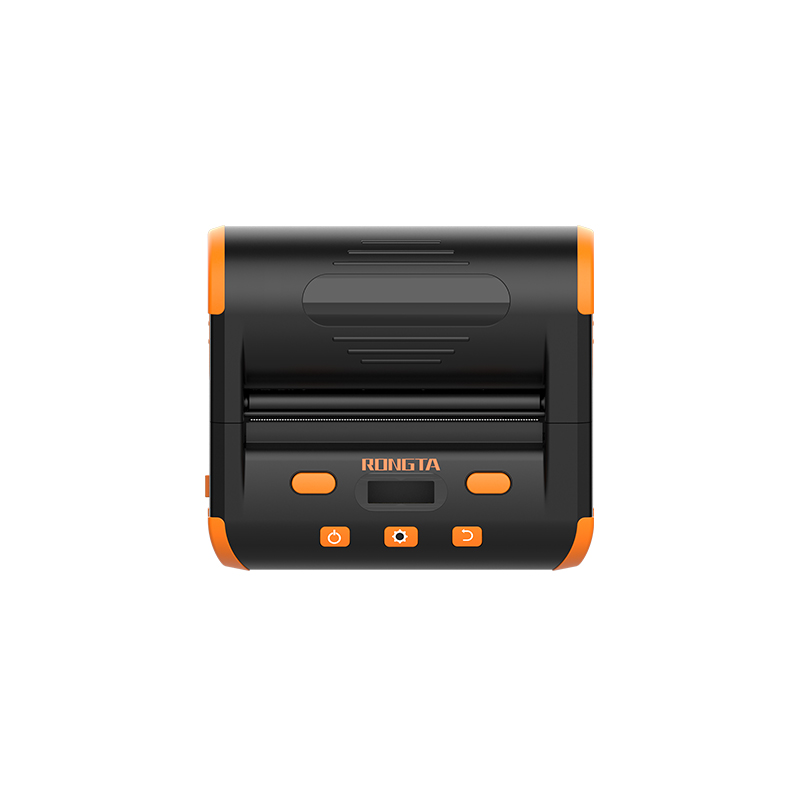 RPP04 4" Portable Label Printer
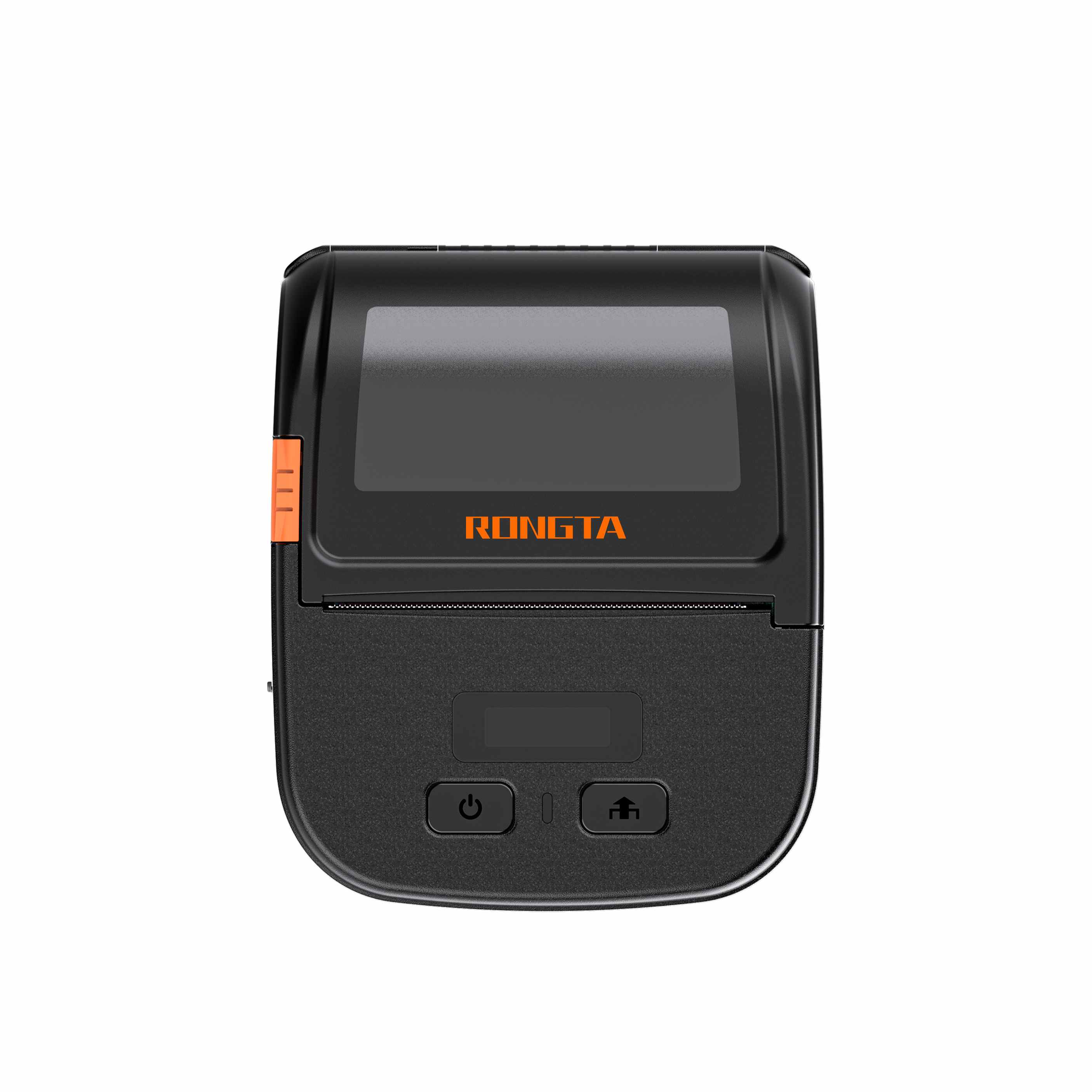 RPP30 3" Portable Label Printer
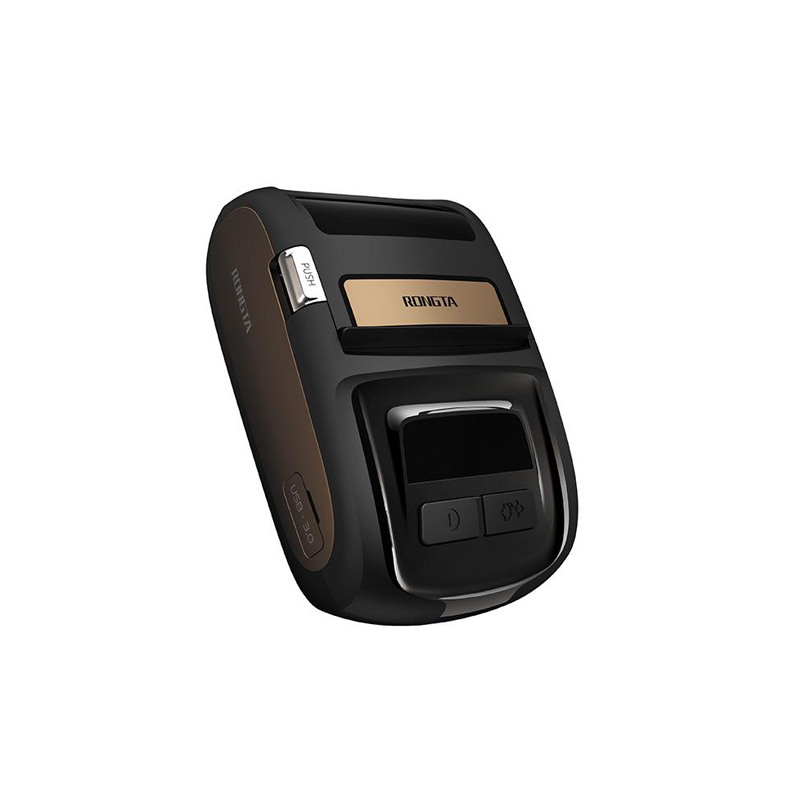 ACE M1 2" Portable Label Printer
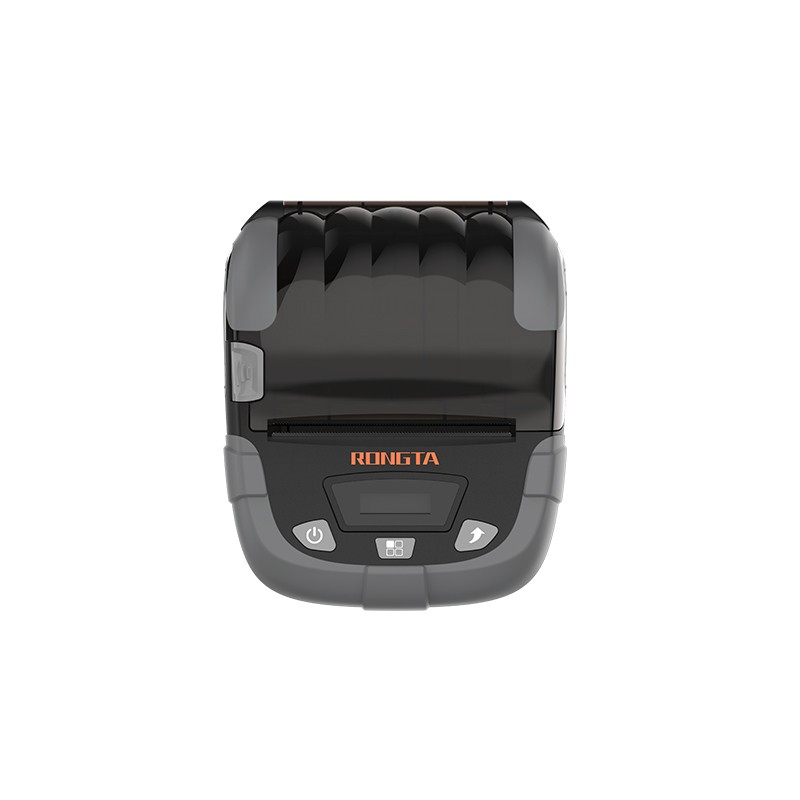 RPP320N 3" Portable Label Printer
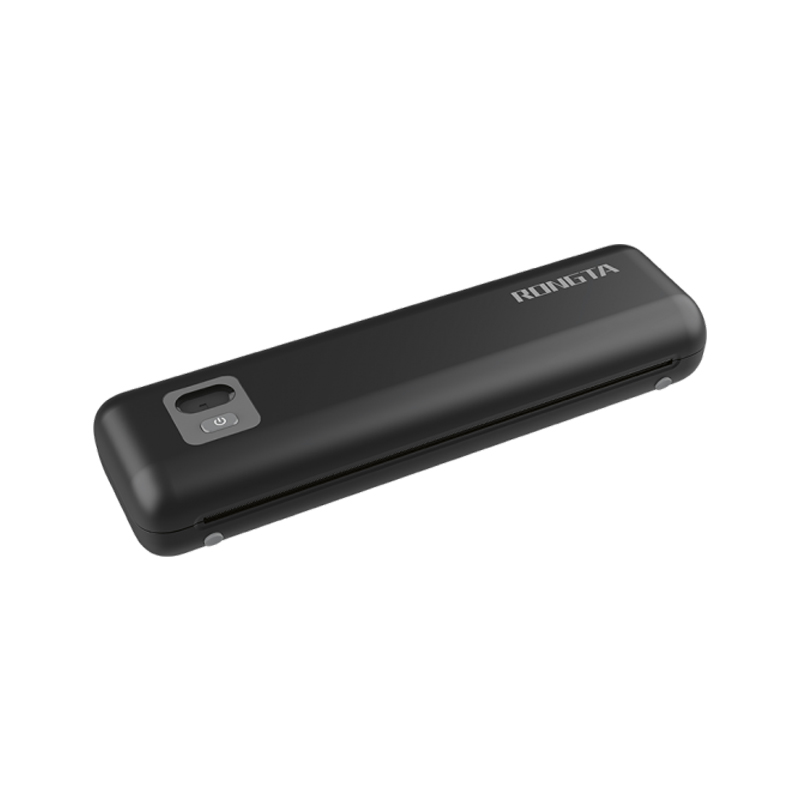 F82A A4 Front-Out Paper Tray Thermal Printer
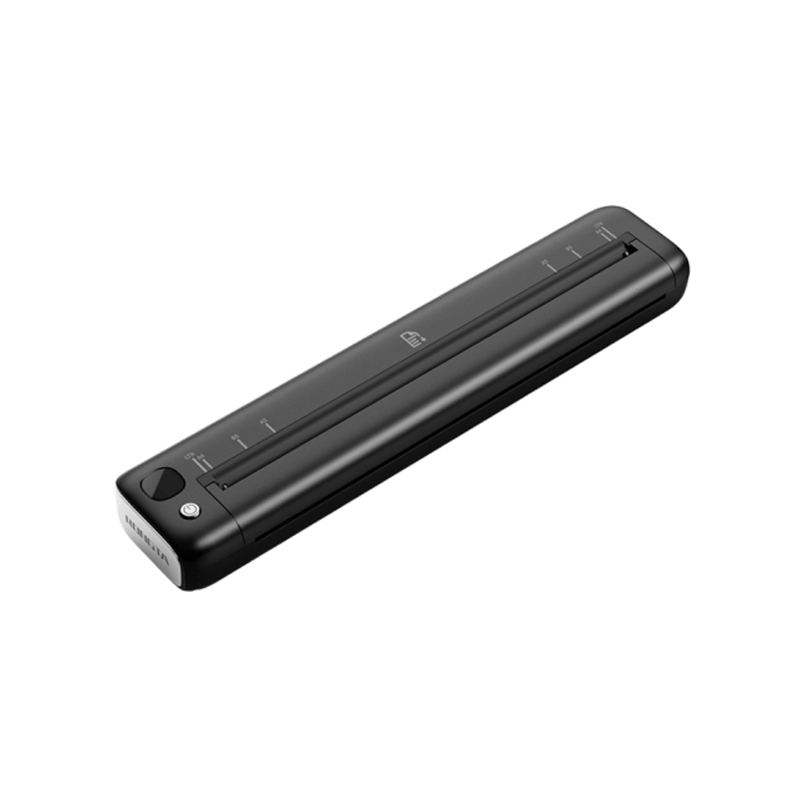 F81A Portable A4 Thermal Printer
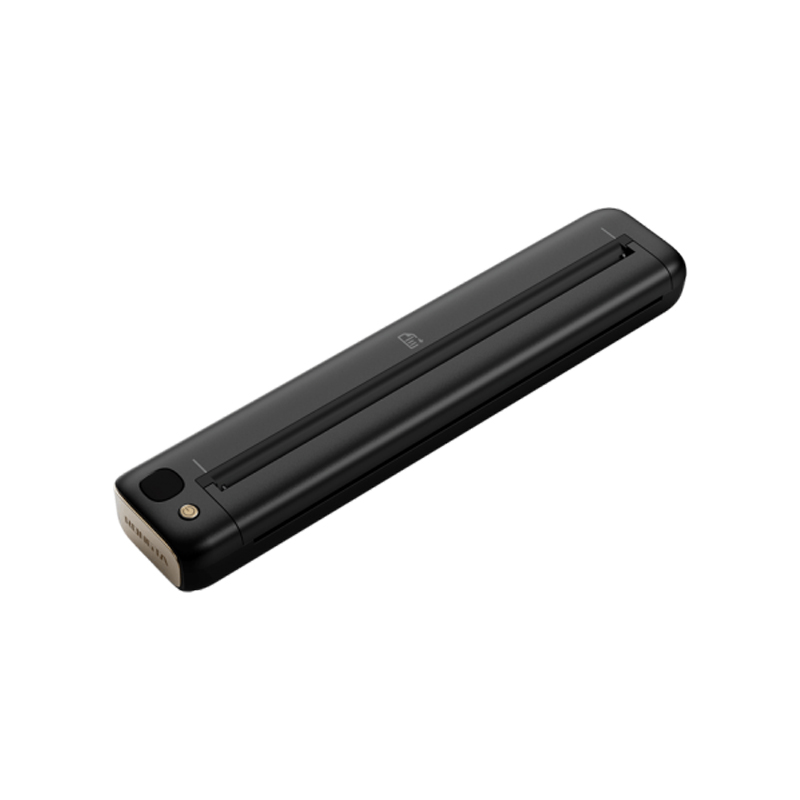 F81S Portable A4 Tattoo Printer
 Z1 Children's Educational Photo Printer
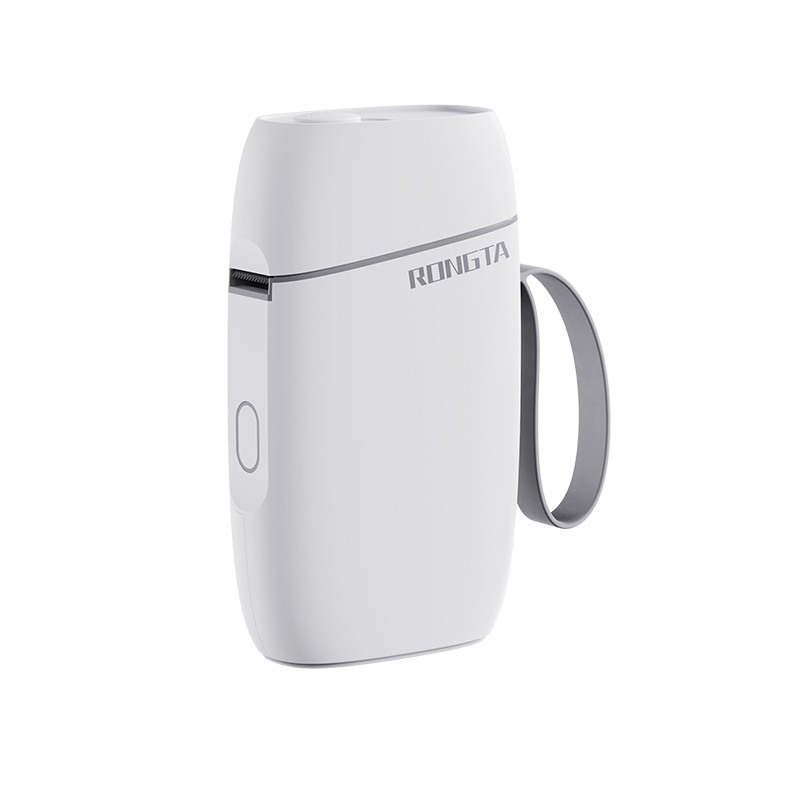 R5 Mini Label Printer
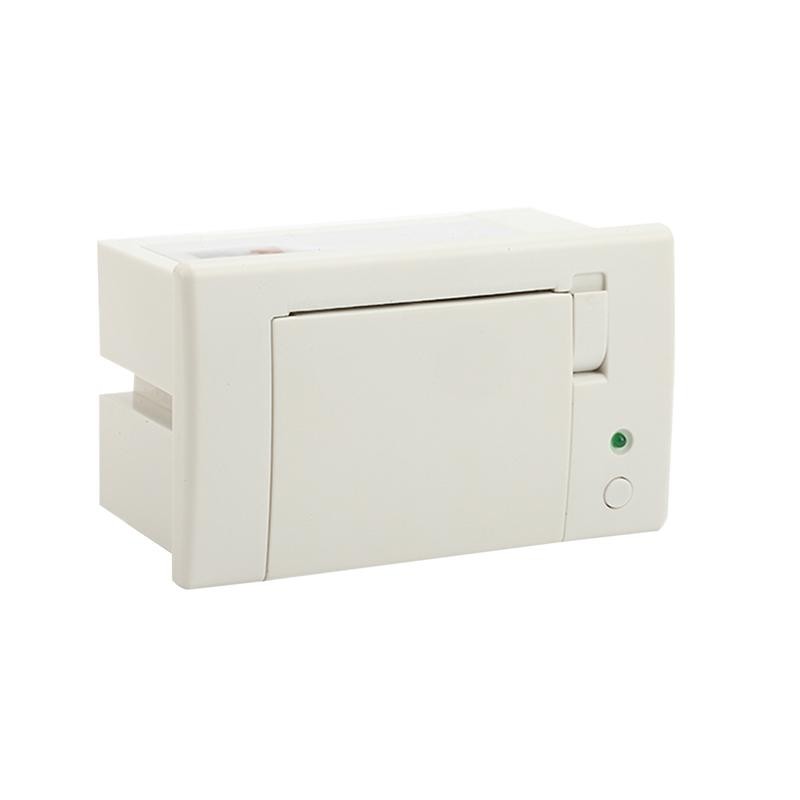 RP07 58mm Embedded Printer
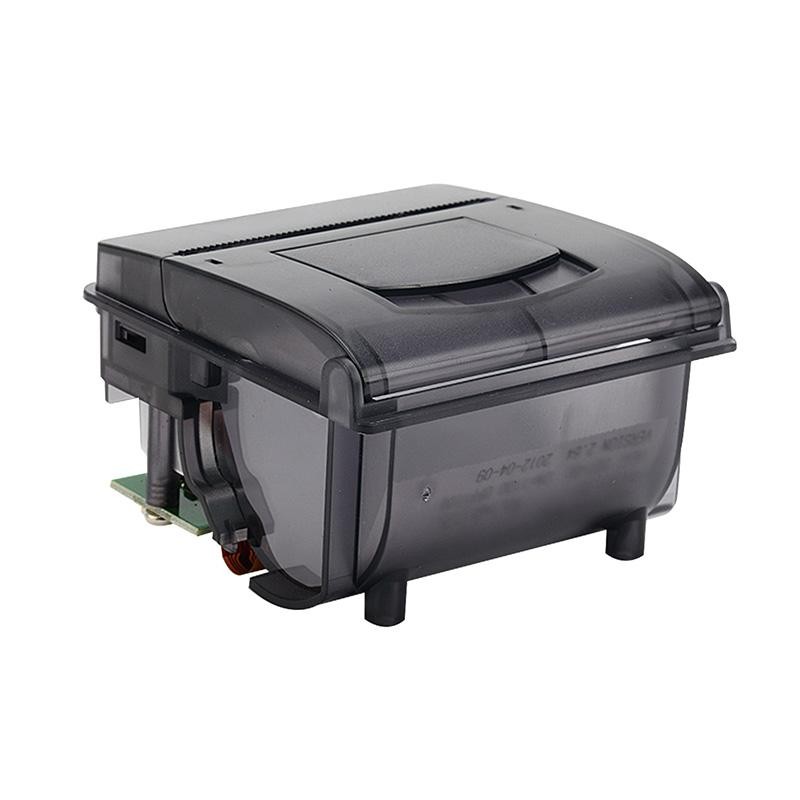 RP203 58mm Embedded Printer
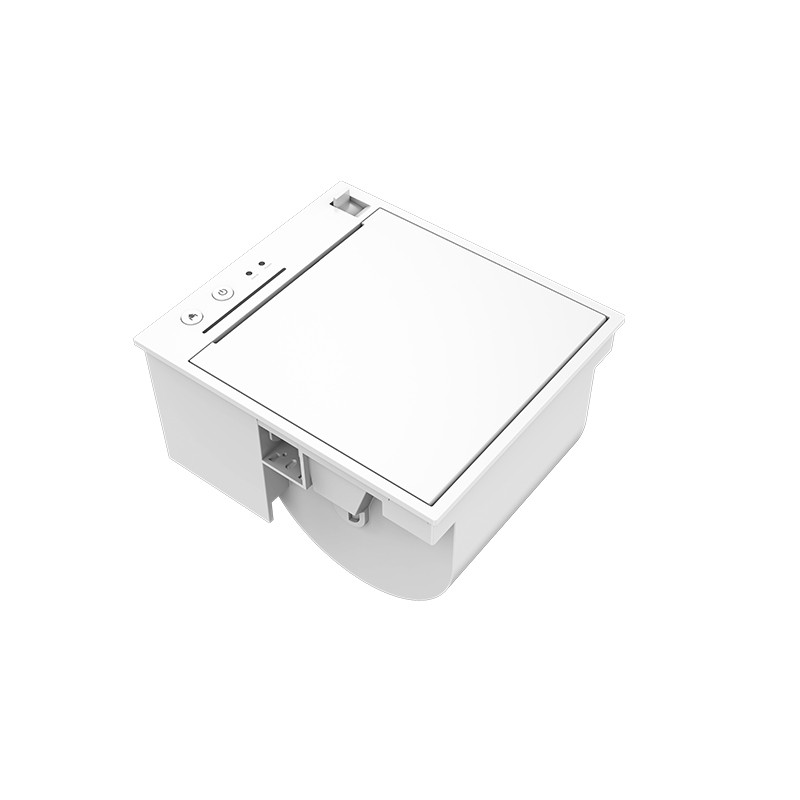 PM315 Embedded Thermal Printer
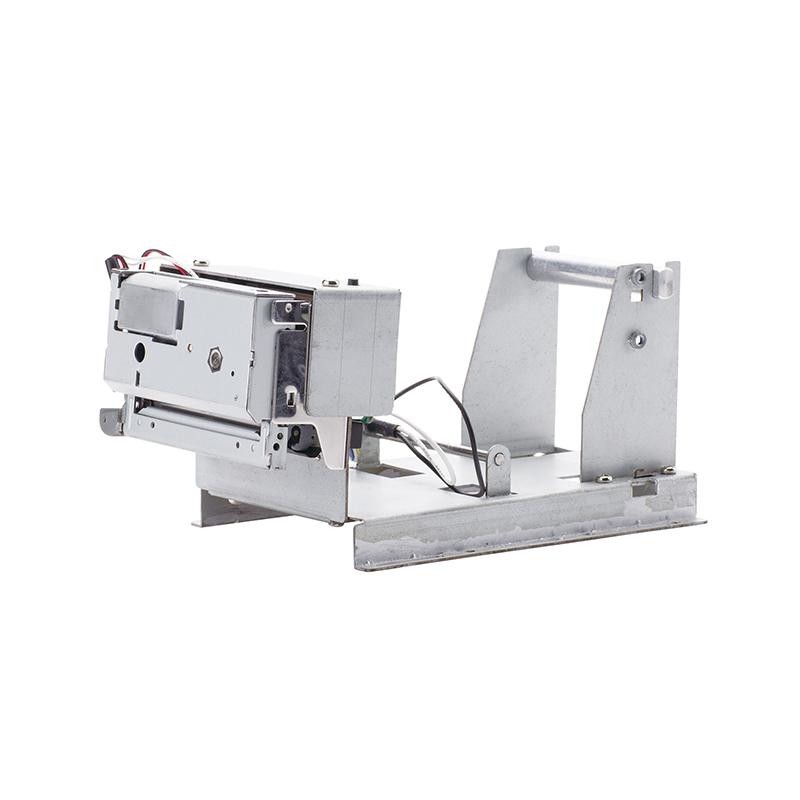 PM201 48mm Printing Module
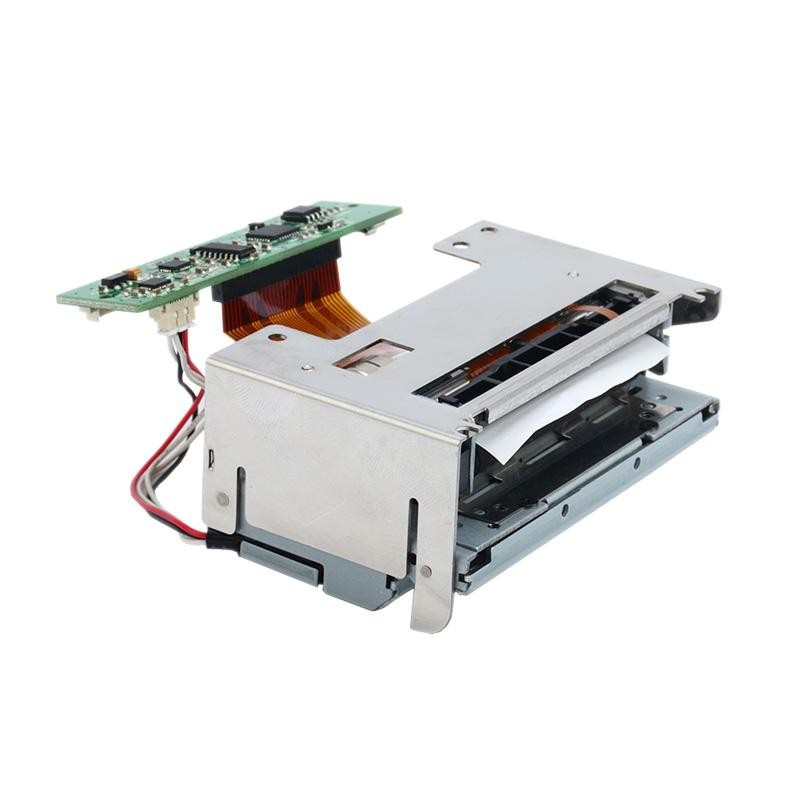 PM628 58mm printing module
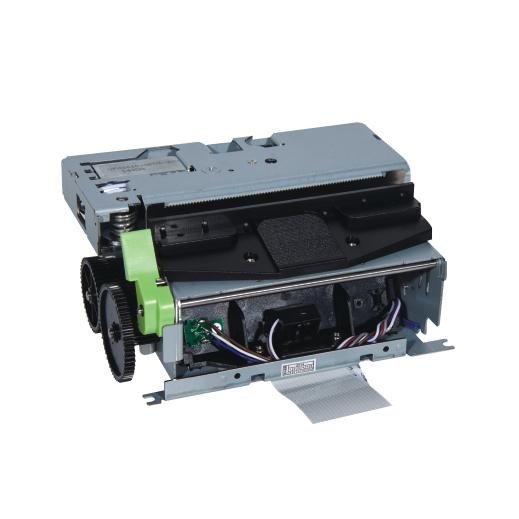 PM532A Printing Module
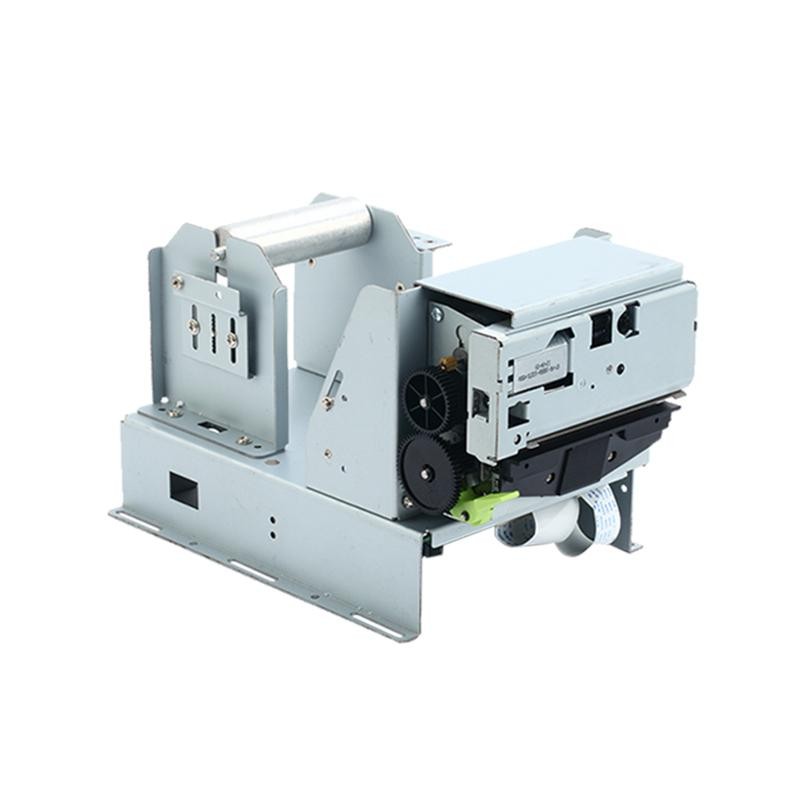 PM532B printer module
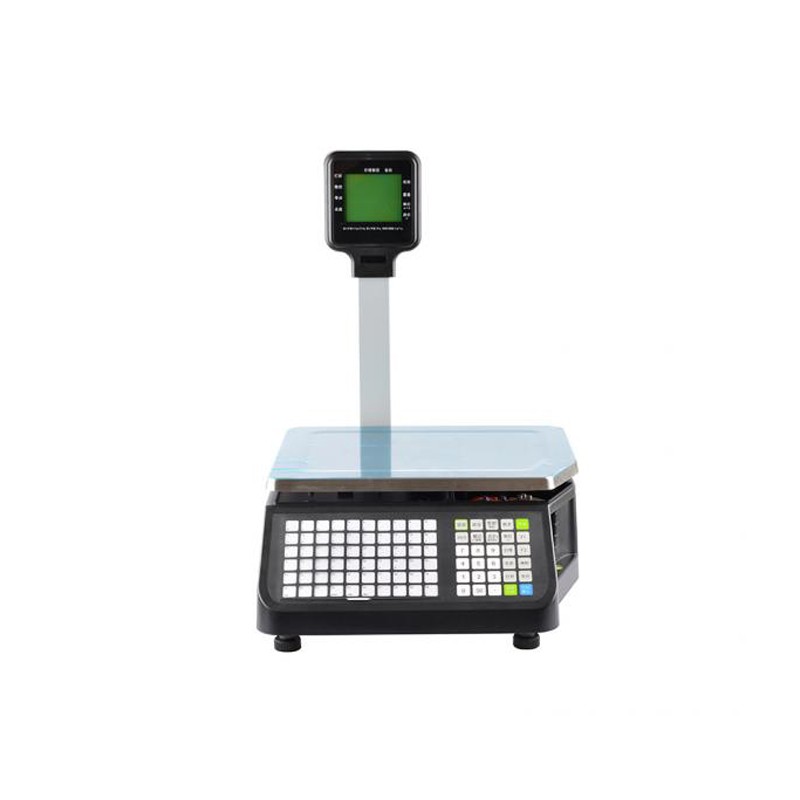 LS015/LS015A Barcode Scale
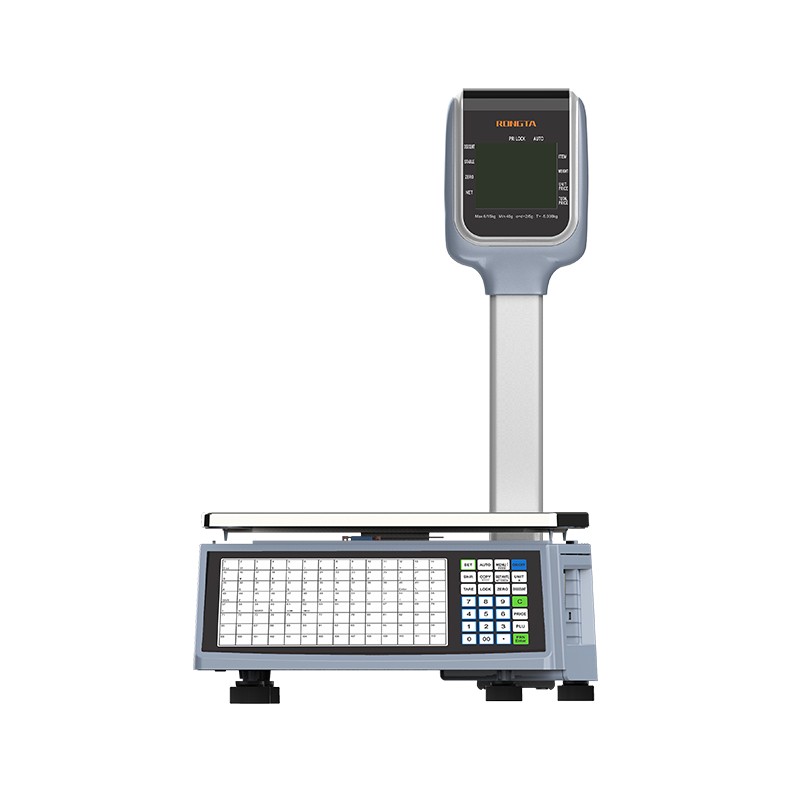 RLS1815D/RLS1830D Barcode Scale
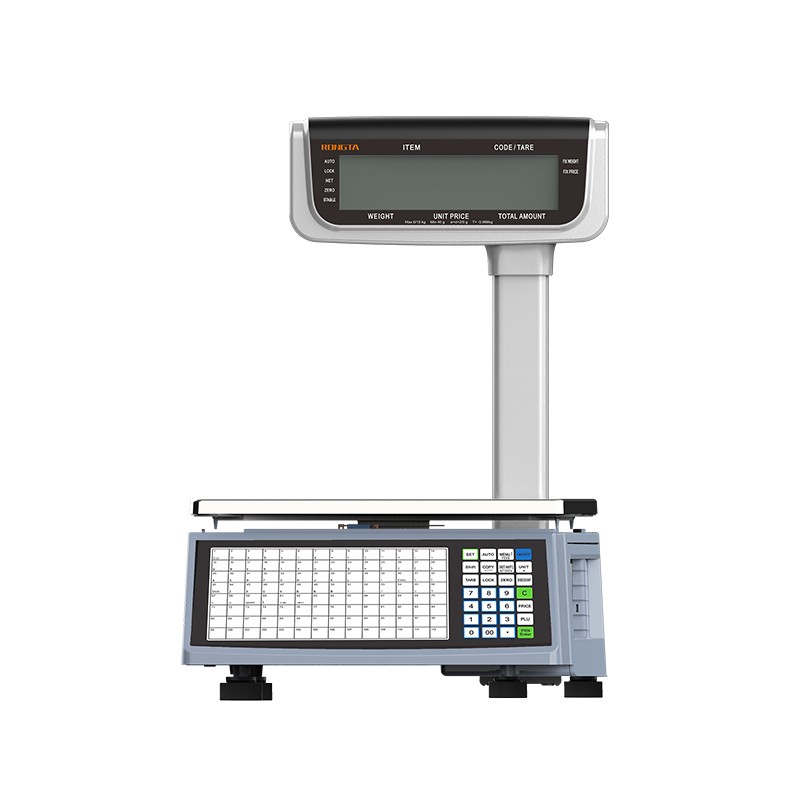 RLS1815C/RLS1830C Barcode Scale
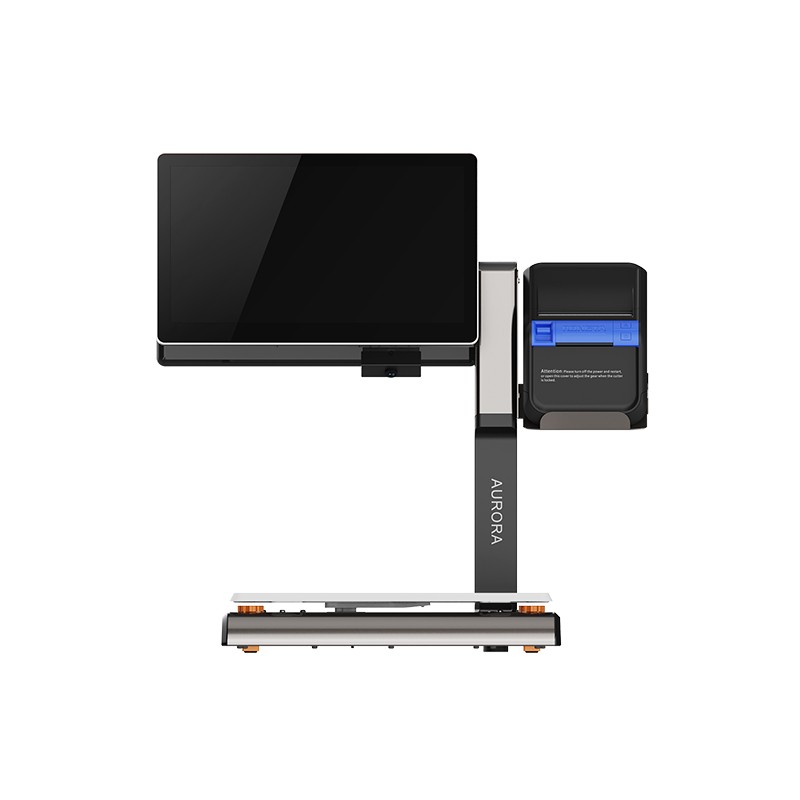 AURORA S2L-S Labelless Scale
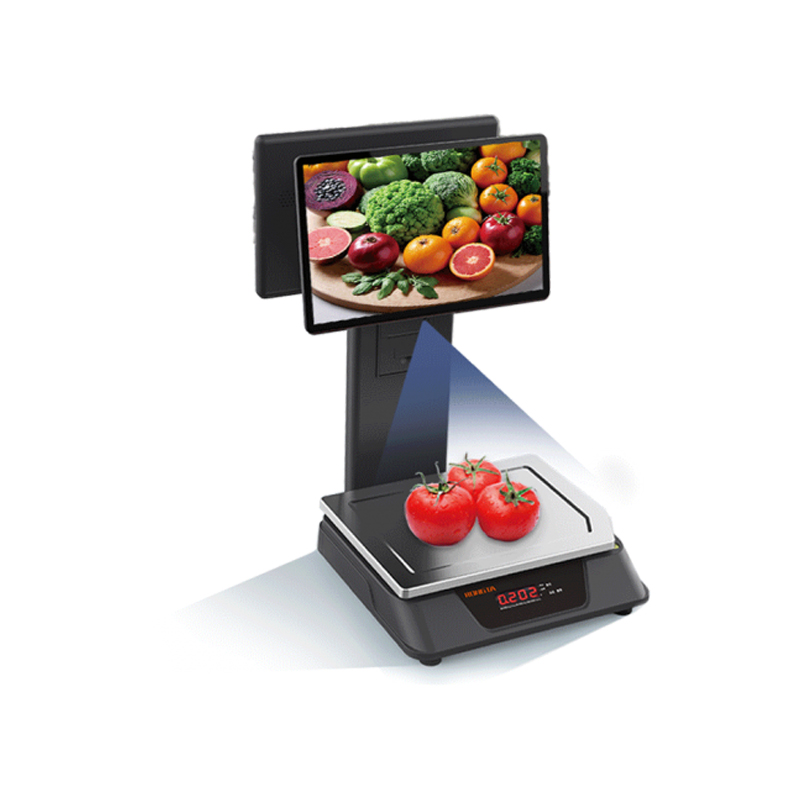 AURORA E1 PRO-AI Cash Register Scale
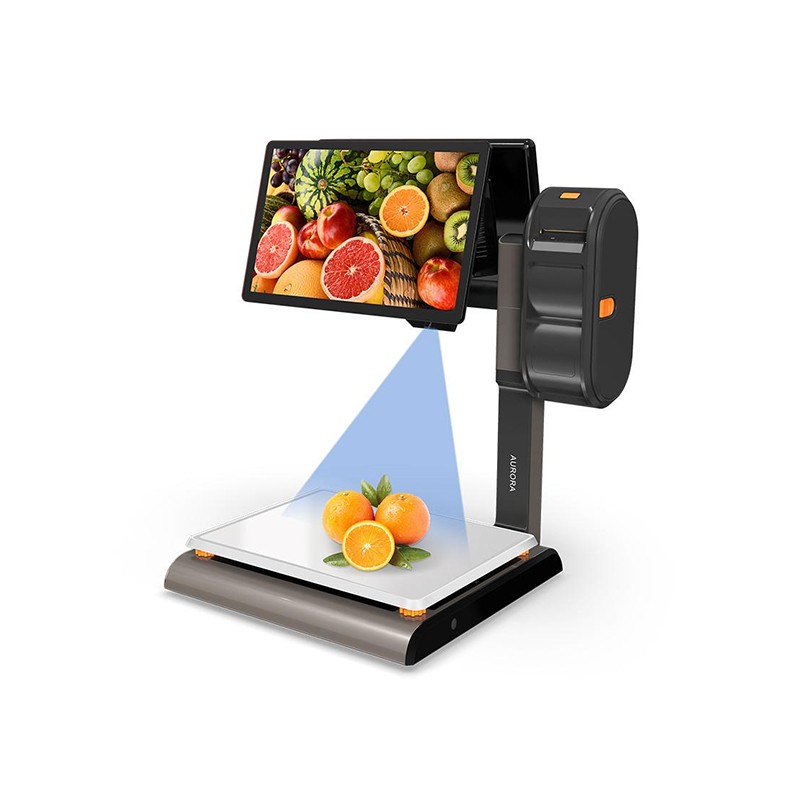 AURORA S2L-AI Label Scale
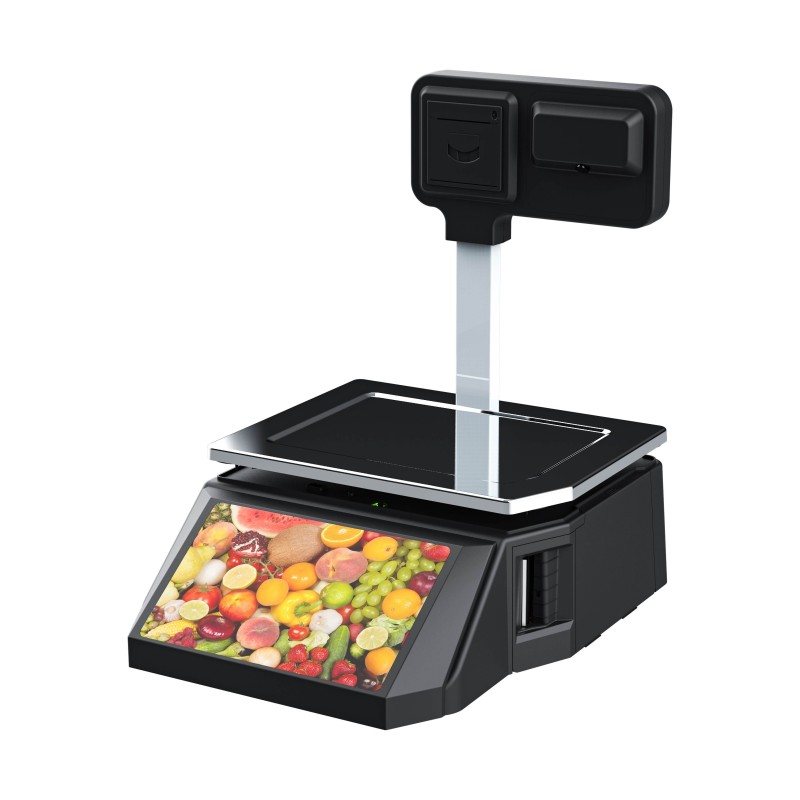 DP01-AI Smart Tag Cashier Dual-Use Scale
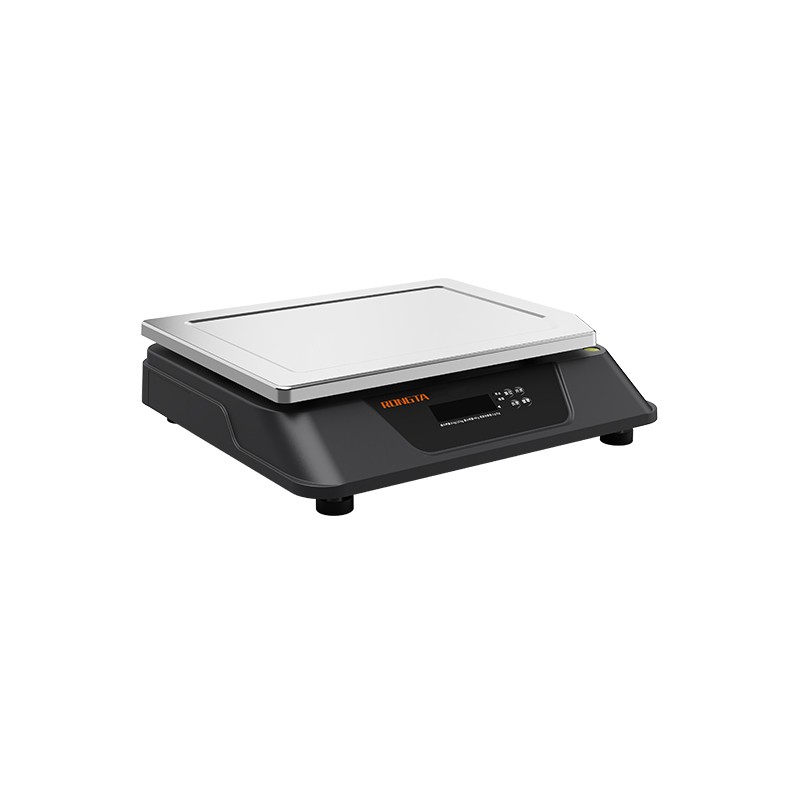 C3 Weighing Scale
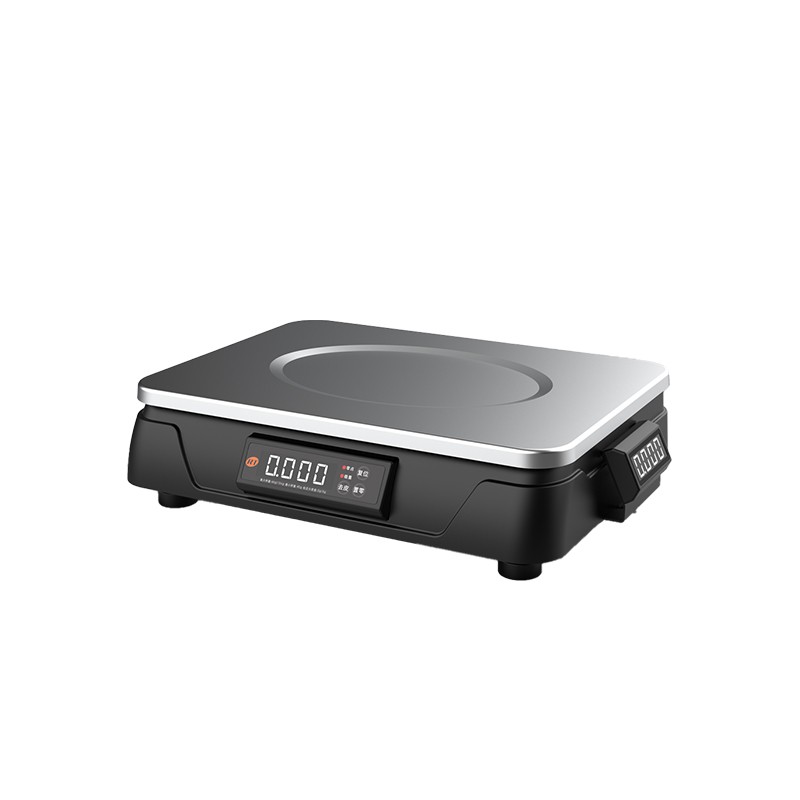 C1 weighing scale
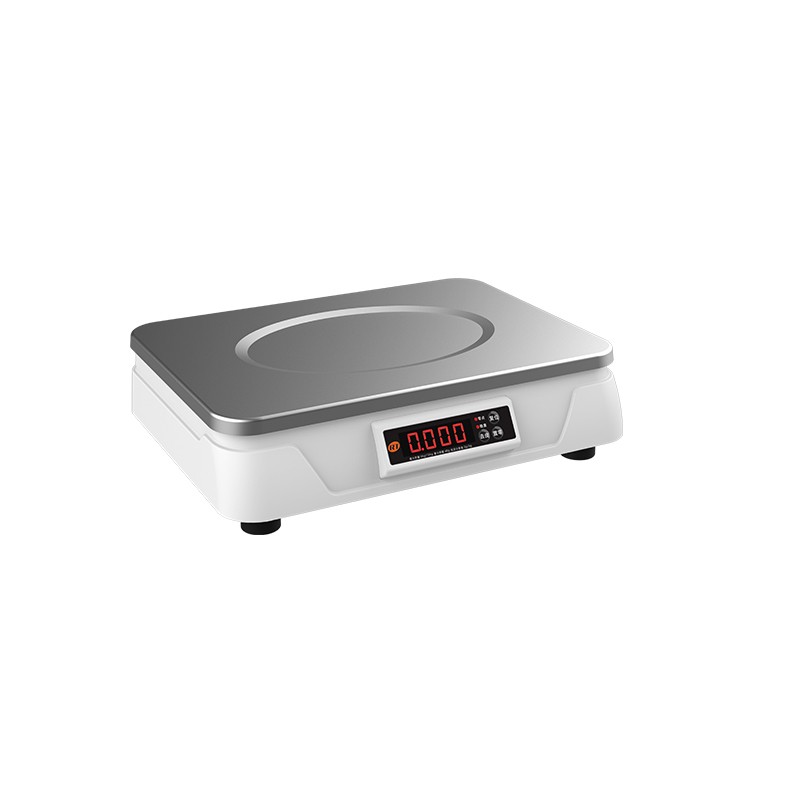 C11 Weighing Scale
 retail
 FOOD
FOOD Medical
 Mobile office/home
 asset Management
 logistics
 Driver download
 User Manual
 Tool Download
 Tag software
 Product Video
 Development Documentation
 Frequently Asked Questions
 User Guide
 Company News
 Exhibition Updates
 Industry Insights
 Product Update
 General situation
 Development history
 Honors and Qualifications
 R&D strength
 Team activities
 Social responsibility




Service Support
RPP210 Portable Printer Usage, Storage, and Battery Safety Precautions
2026-01-12
RPP210 Portable PrinterPrecautions for use, storage and battery safety
1. Safety Precautions for Portable Printers
(1) This printer can only use the dedicated battery and power adapter provided by our company. Otherwise, it may cause product damage, battery leakage, fire or even explosion.
(2) Do not throw the battery into fire, do not short-circuit, disassemble or heat the battery, otherwise it may cause the battery to leak, catch fire or even explode.
(3) The liquid in the battery is corrosive. If the battery leaks due to improper operation and the liquid gets on your skin or clothes, please wash it off with clean water immediately. If it gets into your eyes, please rinse your eyes thoroughly with plenty of clean water and seek medical attention immediately.
(4) Do not open the paper tray cover during printing or immediately after printing, and do not touch the printer cartridge with your hands or any part of your body to avoid burns caused by excessive heat.
(5) Do not use the printer if it malfunctions. This could cause a fire or electric shock. Turn off the printer and unplug it, then contact your dealer by phone.
?
2. Precautions for using portable printers
(1) The printer should not be immersed in water or exposed to rain for a long time, otherwise it may be damaged.
(2) Do not open the paper tray cover during printing, otherwise the printer may malfunction.
(3) When using serial port printing, the serial cable must not be unplugged during the printing process, otherwise the printed data may be incomplete.
(4) When using infrared printing, the infrared window of the main device must be aligned with the infrared window of the printer during the printing process. The distance should not exceed 50 cm and the angle should not exceed 30 degrees. Otherwise, it may cause garbled characters or failure to print.
(5) Although the printer can work stably from -10℃ to 50℃, excessively high ambient temperature (45℃) or excessively low ambient temperature (5℃) will reduce print quality.
(6) Excessive ambient humidity (above 85% relative humidity) or excessively low ambient humidity (below 20% relative humidity) will reduce print quality.
(7) Using inferior printing paper or printing paper that has been stored for too long may reduce printing quality or even damage the printer.
(8) When the printer is working in black mark detection mode (when printing pre-printed tickets with black marks), the black marks pre-printed on the printing paper must conform to the black mark printing specifications (see 4.2 Black Mark Detection Instructions). Otherwise, the printer may not be able to accurately detect the black marks.
(9) Before charging the printer, try to use up the battery power completely before charging. This can effectively ensure the battery's lifespan.
?
3. Precautions for storing portable printers
(1) The printer should be stored in an environment with a temperature of -20℃ to 70℃ and a relative humidity of 5% to 95%.
(2) If you are storing the printer for a long time, be sure to remove the battery from the printer and store it separately. Otherwise, the battery may fail or even leak, which may damage the printer.
(3) Ordinary thermal printing paper has a short shelf life. If you need to print documents that need to be stored for a long time, please choose long-lasting thermal printing paper.
(4) Do not store printing paper in places with high temperature or direct sunlight. If it has been opened, please store it in a place away from light.
?
4. Safety Precautions for Portable Printer Batteries
Always read the user manual carefully before using the product. Ignoring the following instructions may result in battery overheating, combustion, explosion, damage, and/or reduced performance and product lifespan.
Danger
1) Do not allow water, seawater, or other substances to enter or leak into the battery. If the internal safety devices of the battery are damaged, any charging of the battery may cause abnormal current and/or voltage, resulting in abnormal chemical reactions, which may then lead to battery overheating, ignition, and/or explosion.
2) Do not use or place the battery in high-temperature environments such as near stoves. Excessive heat may damage the resin casing and/or insulation materials, causing an internal short circuit in the battery, which may then lead to overheating, combustion, and/or explosion.
3) Use a dedicated charger when charging. Charging under conditions not covered by this requirement (high temperature, high voltage/high current, use of a modified charger, etc.) may cause overcharging of the battery and abnormal current and/or voltage, causing abnormal chemical reactions, which may then lead to battery overheating, ignition and/or explosion.
4) The battery is clearly marked with positive and negative terminals. When inserting the battery into the charger and/or product, always ensure that the battery is correctly positioned. Reverse insertion will cause reverse charging, which may lead to abnormal chemical reactions and potentially result in the battery overheating, igniting, and/or exploding.
5) Do not allow the battery to come into contact with a power outlet and/or a car cigarette lighter socket. Doing so may create high voltage, causing excessive current, which can lead to the battery overheating, burning, and/or exploding.
6) Do not heat the battery or put it in a fire. Doing so may melt the insulation and/or damage safety devices or equipment, ignite the electrolyte, and cause the battery to overheat, burn, and/or explode.
7) Do not use the battery with the (+) and (-) terminals reversed. Doing so during charging will cause reverse charging, which may lead to abnormal chemical reactions. During use, unpredictable abnormal current may occur, causing the battery to overheat, ignite, and/or explode.
8) Do not allow the battery's (+) and (-) terminals to come into contact with any metal. Also, do not carry or store the battery with metal objects, such as necklaces, hairpins, etc. An internal short circuit in the battery may cause excessive current, leading to battery overheating, ignition, and/or explosion, as well as potential overheating of adjacent metal objects (necklaces, hairpins, etc.).
9) Do not throw the battery or subject it to a heavy impact. If the internal safety devices of the battery are damaged, any charging of the battery may cause abnormal current and/or voltage, resulting in abnormal chemical reactions, which may then lead to the battery overheating, igniting, and/or exploding.
?