Instructions for the switches, buttons, and indicator lights of the Rongda RP80 series thermal printer.
The power switch is used to turn the printer on and off. The printer's power switch is located on the left side of the printer. Pressing the "-" button turns the printer on; pressing the "O" button turns the printer off.
Notice:
(1) Turn on the switch only after the power supply is connected.
2. Buttons and indicator lights of the RP80 thermal printer
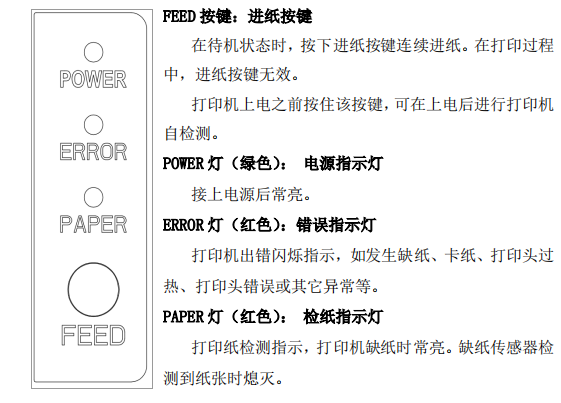
The buttons and indicator panel are shown in the following figure:
Button and indicator light function description:
3. Set printer mode
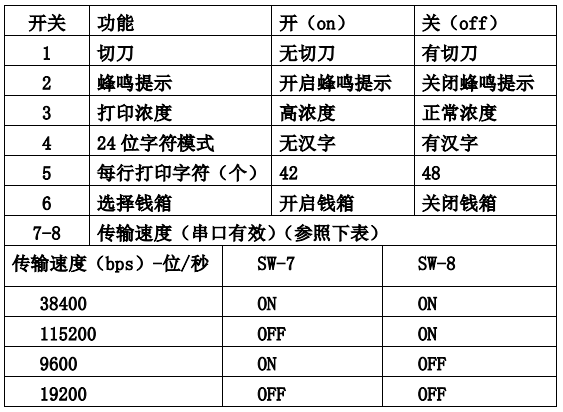
80. The printer is set to default settings at the factory. However, the settings can be changed for specific user needs. Use the DIP switches on the bottom of the printer to adjust the printer settings.
The functions of each DIP switch are set as follows:
4. Thermal printer self-test
The self-test function can check whether the printer is working properly. If it can correctly print the self-test checklist, it means that the printer is working properly except for the connection interface with the host computer. Otherwise, it needs to be repaired.
The self-test will print out the software version number, print density, interface type, and English and some Chinese characters in sequence.
The self-test operation method is as follows: After the printer is connected, press and hold the paper feed button and then turn on the printer power. First, the printer will reset and test. After the reset is completed, release the paper feed button in less than 5 seconds. At this time, the printer will perform a self-test and print out a self-test checklist.
5. Special functions of thermal printers
1) WIFI function (WIFI printer)
WiFi is a technology that allows electronic devices to connect to a wireless local area network (WLAN). Currently, the company's printers use the 2.4 GHz radio frequency band. Connections to a WLAN are usually password protected; however, they can also be open, allowing any device within WLAN range to connect.
Currently, models such as 80WUS and 80WUE support WIFI functionality, while other models do not.
For detailed WIFI setup steps, please refer to the "WIFI Settings" section in the integrated tool's setup manual.
2) Bluetooth function (Bluetooth printer)
Bluetooth is a wireless technology that supports short-range communication (typically within 10 meters) between devices. It enables wireless information exchange between a wide range of devices, including mobile phones, PDAs, wireless headsets, laptops, and related peripherals. The Bluetooth standard is IEEE 802.15, operates in the 2.4 GHz band, and has a bandwidth of 1 Mb/s.
Currently, models such as the 80USEB support Bluetooth functionality, while other models do not.
For detailed steps on setting up the Blue function, please refer to the integration tool setup manual.
3) Paper will soon have exhausted its function
The low-paper-ready function uses an optocoupler sensor to detect the status of the printer's paper tray, which is then displayed by the PAPER light on the printer. Specifically, if the paper roll height in the printer's paper tray is greater than 12 units of the optocoupler height (meaning the paper roll is large), the PAPER light is off. If the paper roll height is less than the optocoupler height, the PAPER light remains on.
4) Sound and light function
The sound and light function means that if the printer has a printing task, and the paper has not been removed after printing, the printer will detect the paper feed by using the paper feed optocoupler, read the corresponding value, and send feedback to the printer. The printer will then control the sound and light indicator lights to remind the user of the printer's current status.
Currently, only printers with sound and light functions can support this feature; other models do not.
This sound and light function does not require manual setup by the user.
?


 80mm Receipt Printer
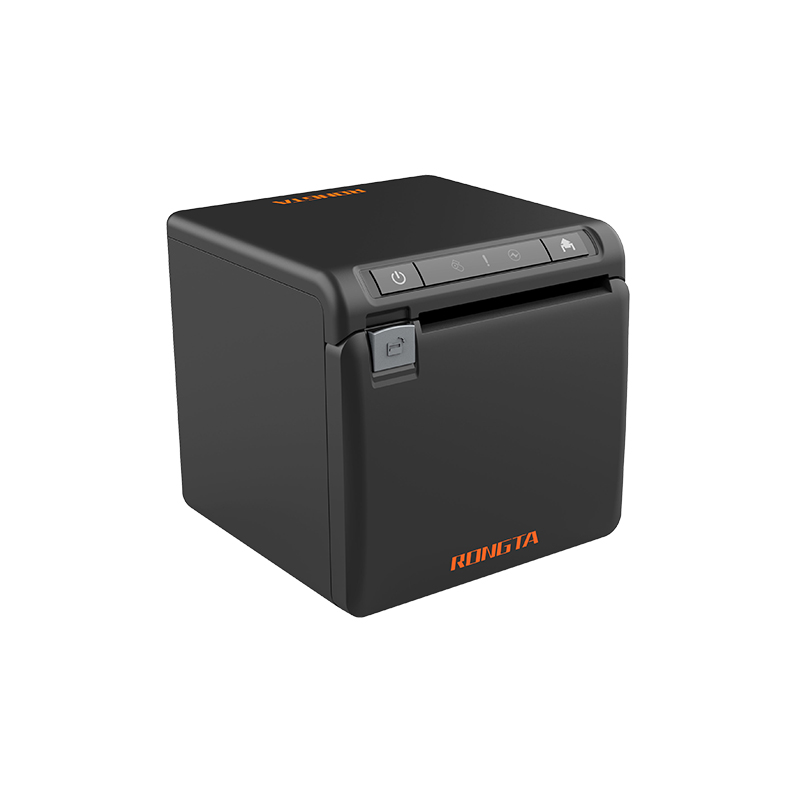 ACE H2 Receipt Printer
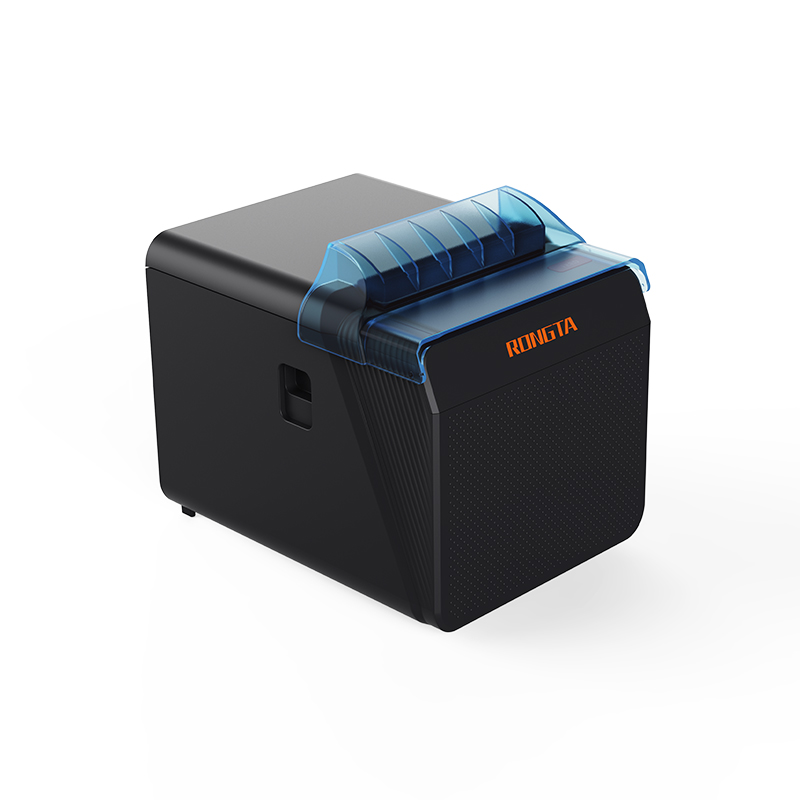 RP337 Receipt Printer
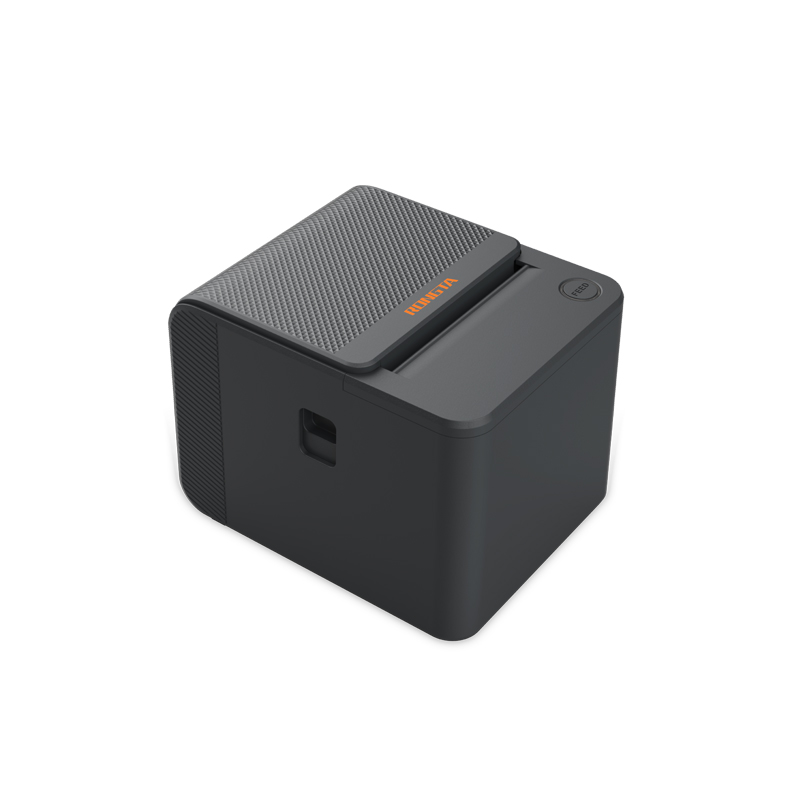 RP336S Dual-Color Receipt Printer
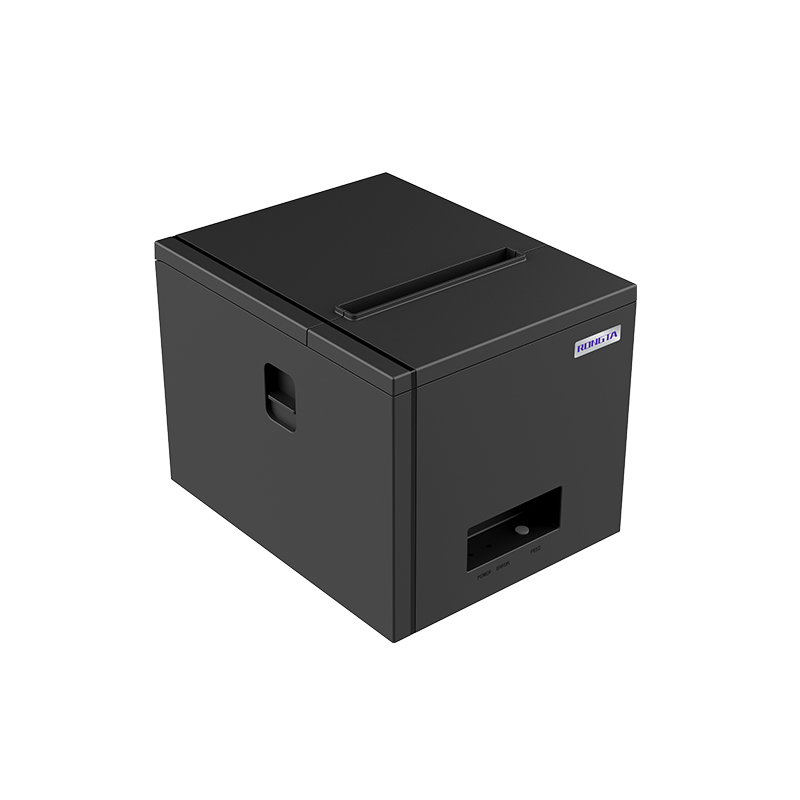 RP350 Receipt Printer
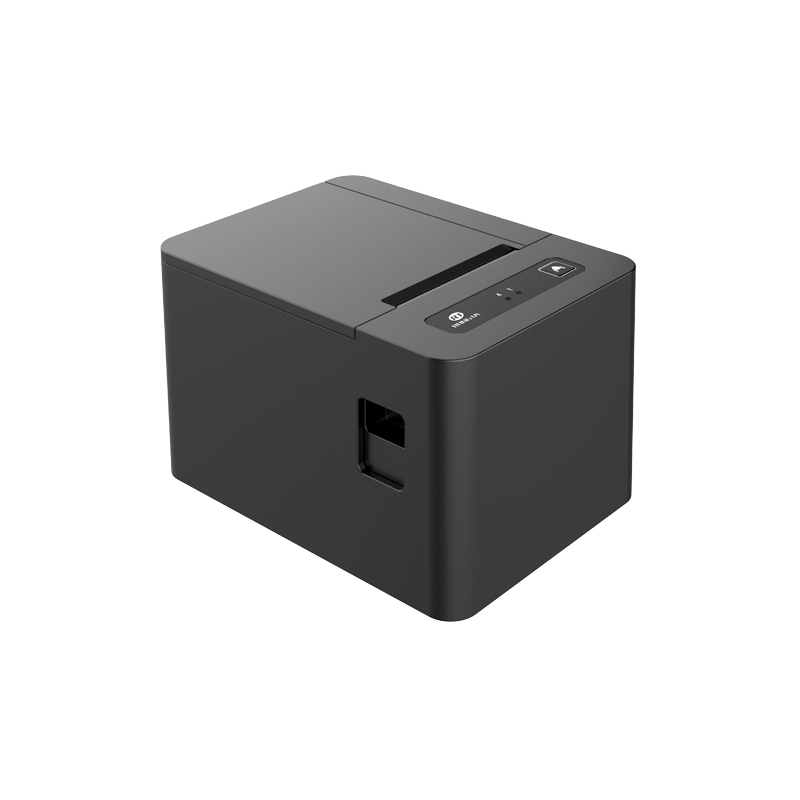 RP582 Receipt Printer
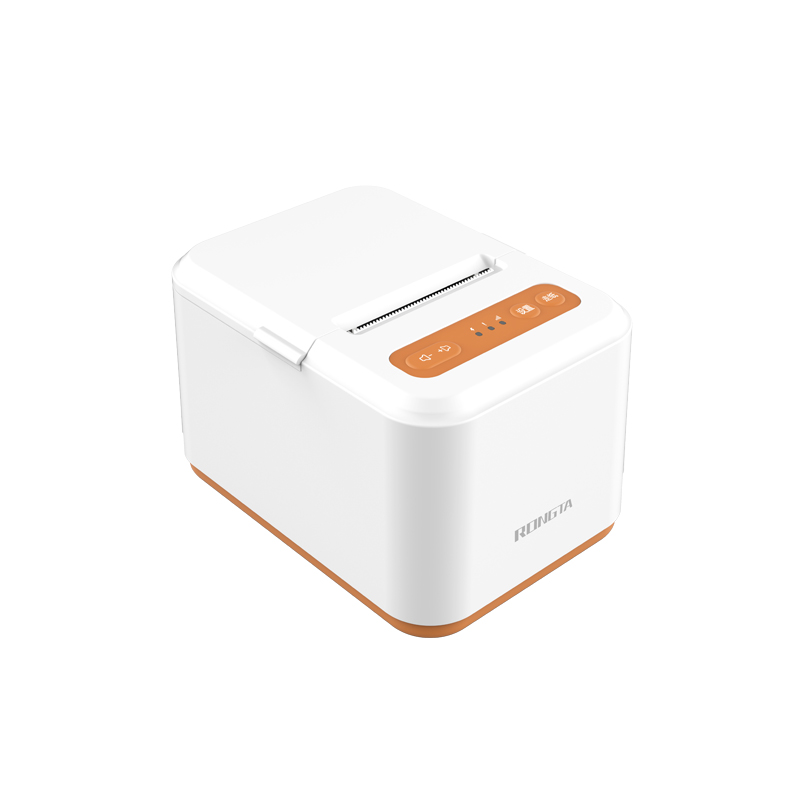 RP581 Receipt Printer
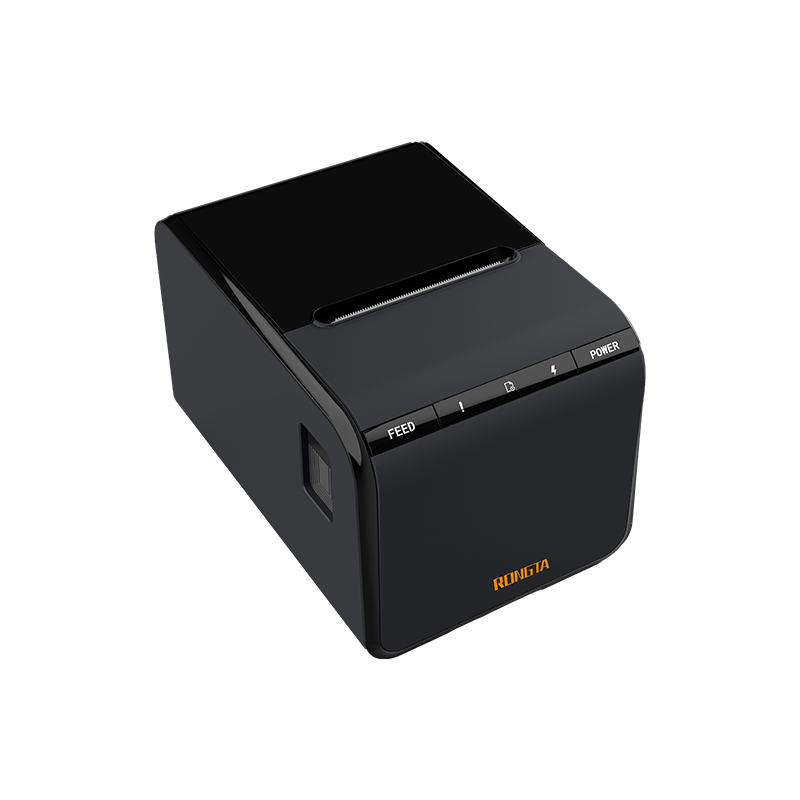 ACE G1Y Receipt Printer
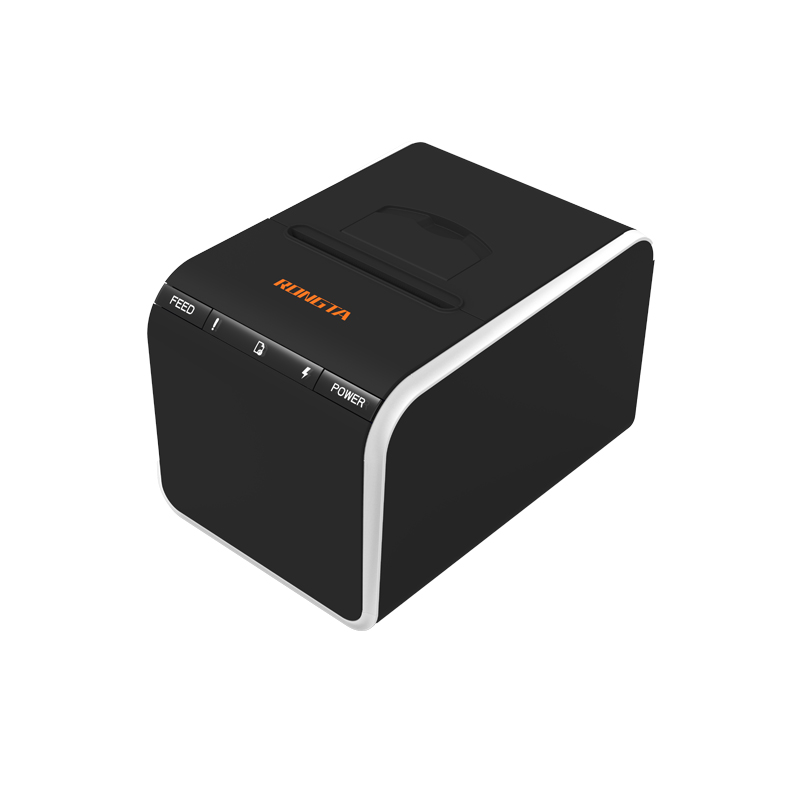 ACE G1YP Cloud Printer
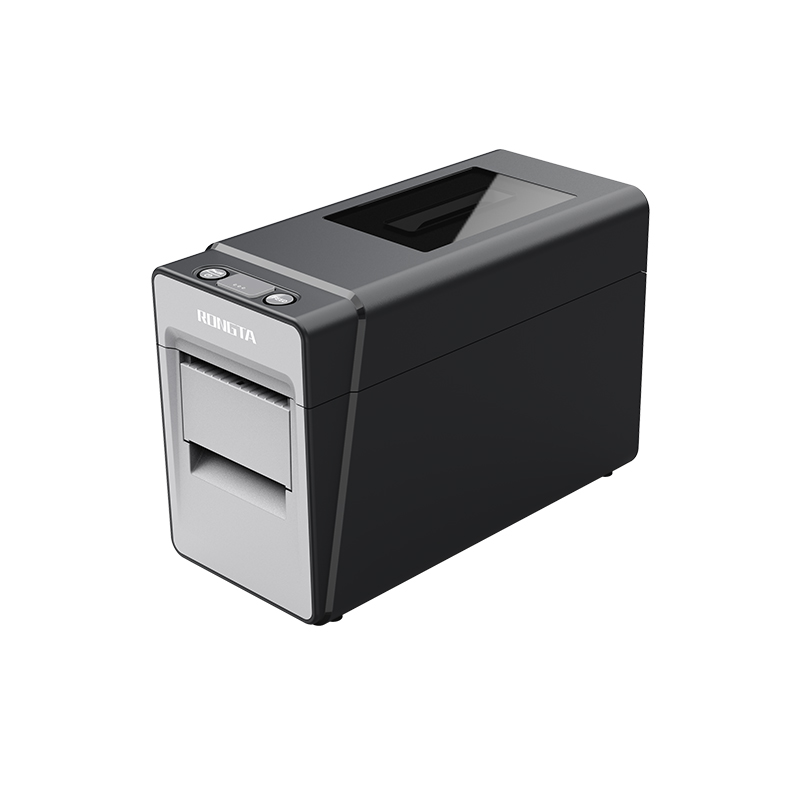 RP216 2'' Dual-color High-definition Label Printer
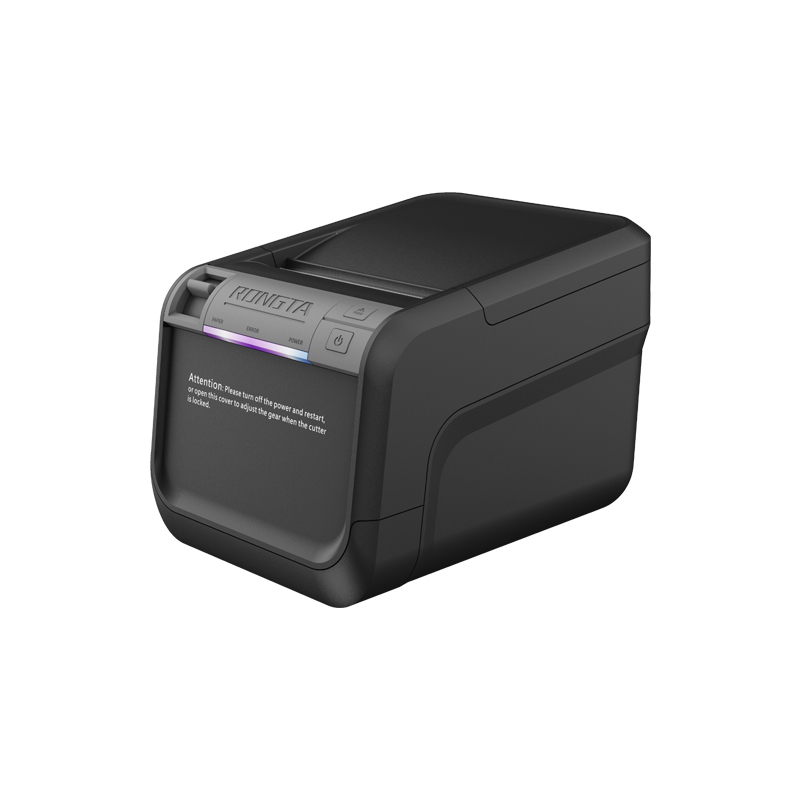 ACE V1S 3'' Backless Label Printer
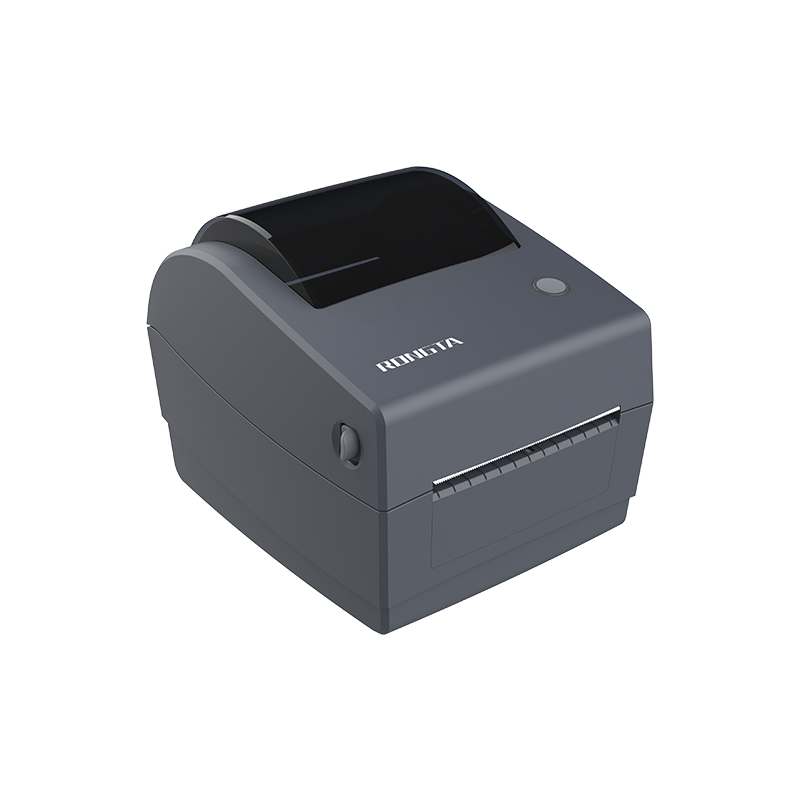 RP310D 3'' Dual-color Label Printer
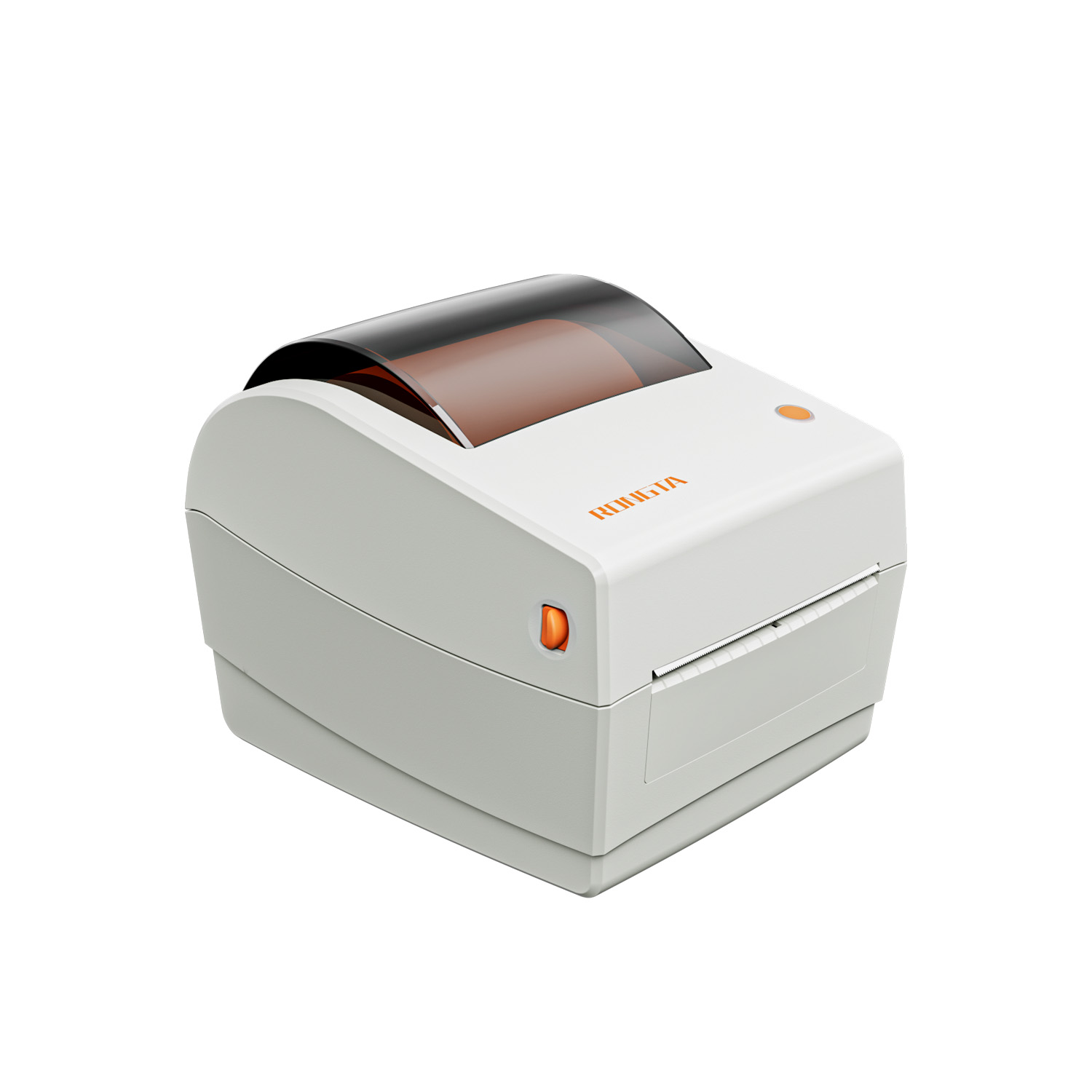 RP410N 4'' Thermal Label Printer
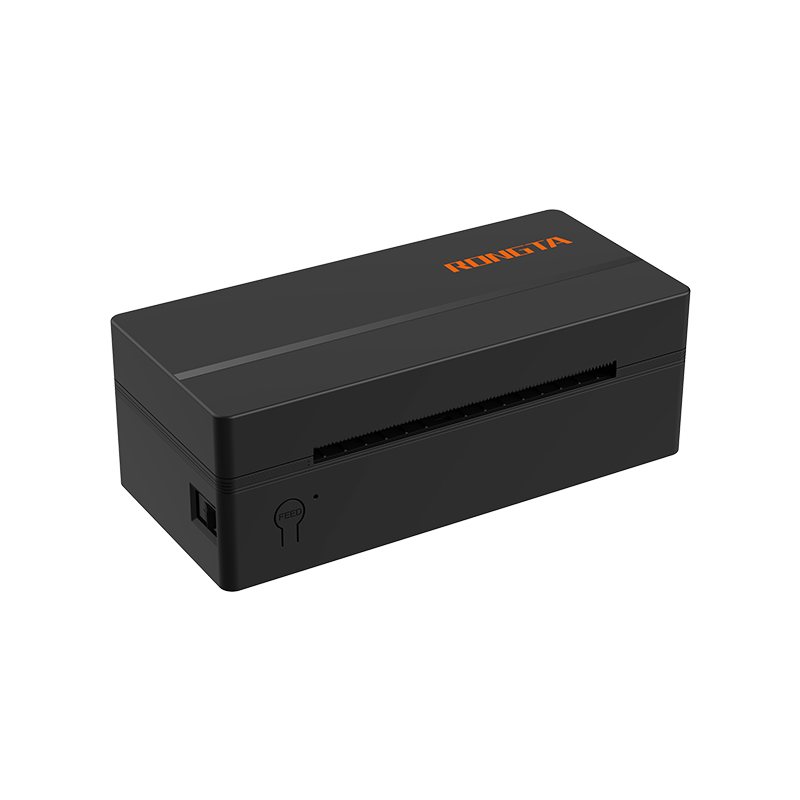 RP425 4'' Electronic Waybill Printer
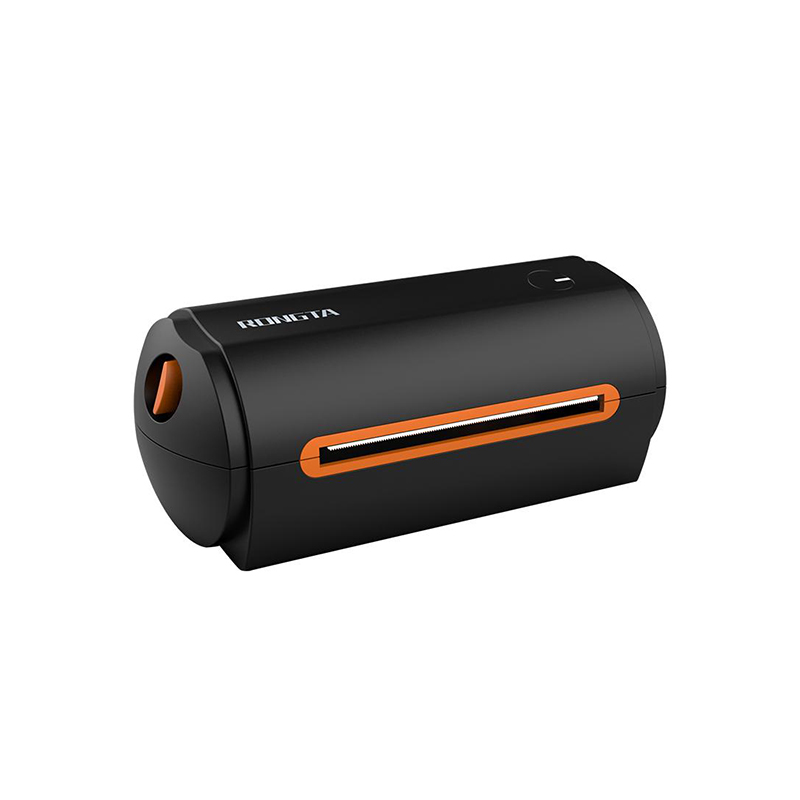 RP422 4'' Electronic Waybill Printer
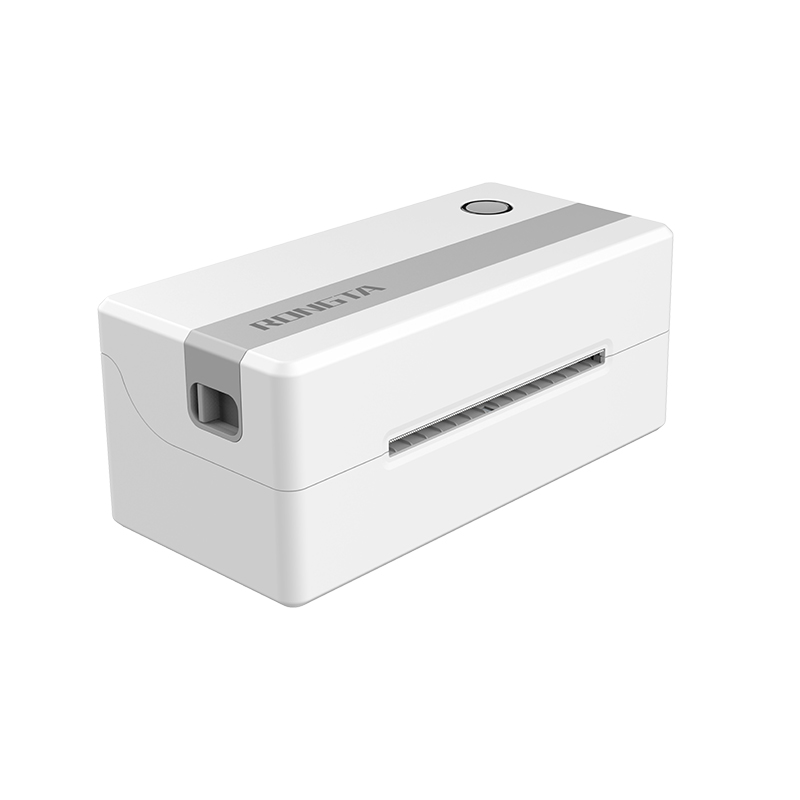 RP421A 4'' Electronic Waybill Printer
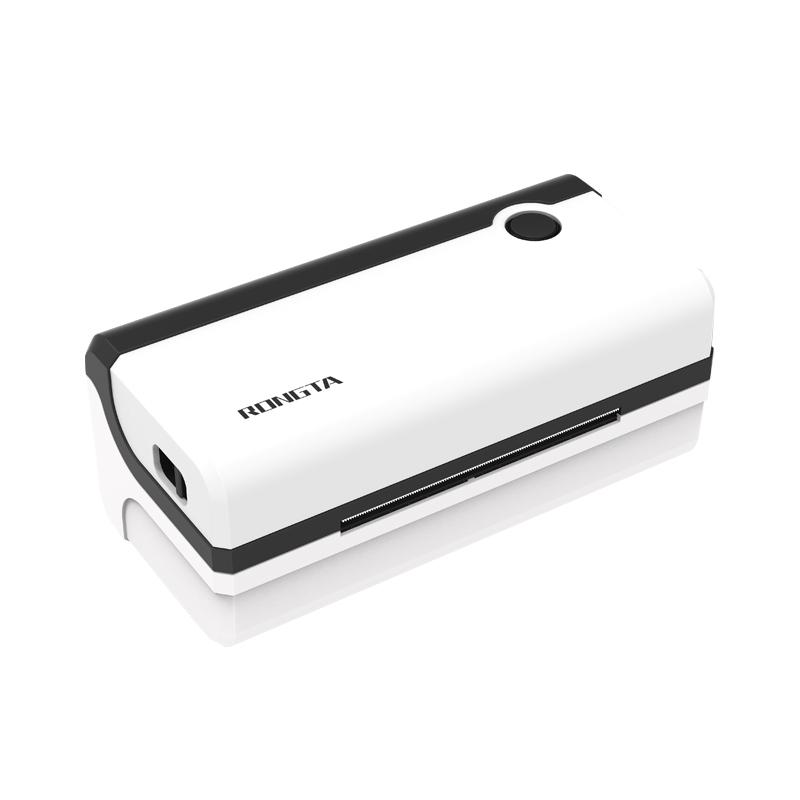 RP420 4'' Electronic Waybill Printer
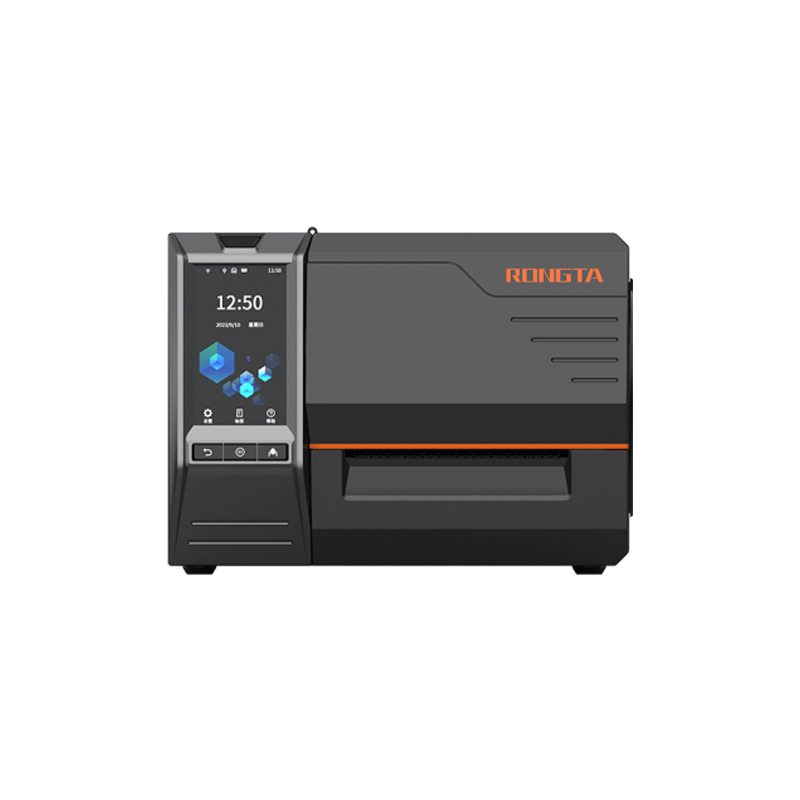 RI463 Series Barcode Printers
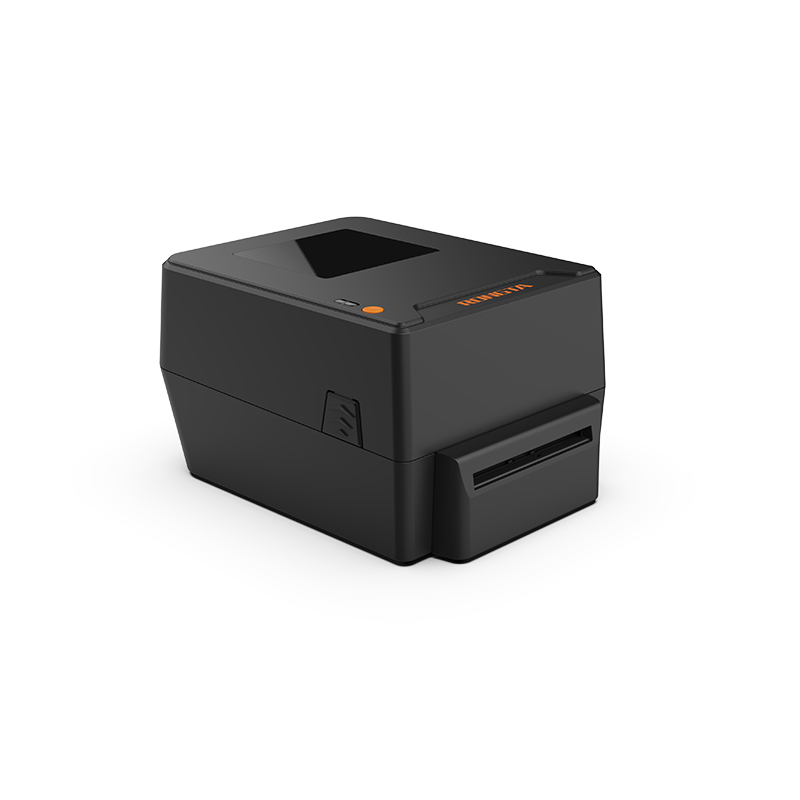 RP400A 4'' Thermal Transfer Tape Cutter Printer
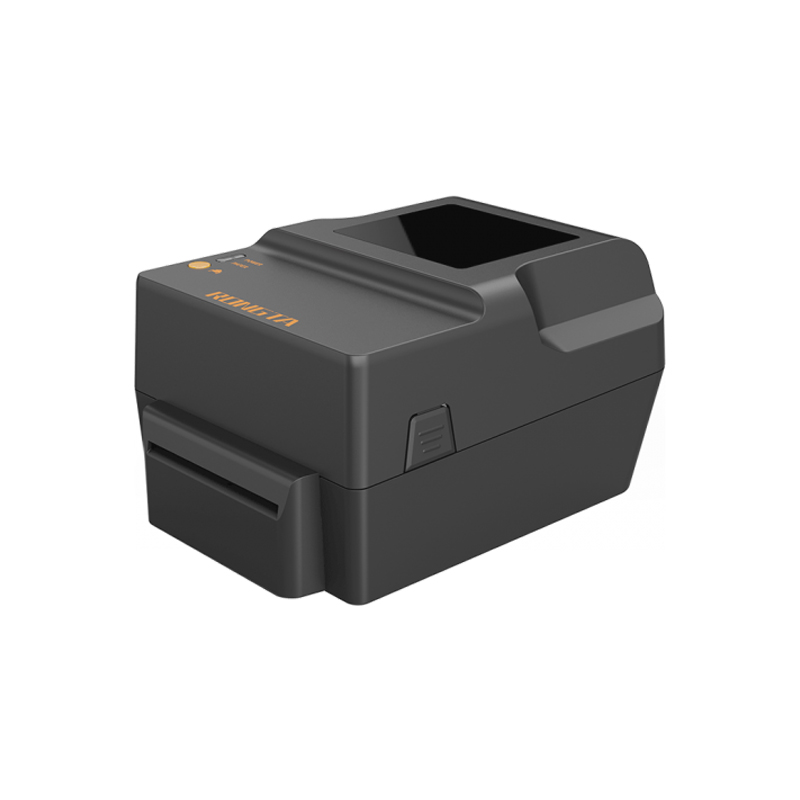 RP400H 4'' Thermal Transfer Tape Cutter Printer
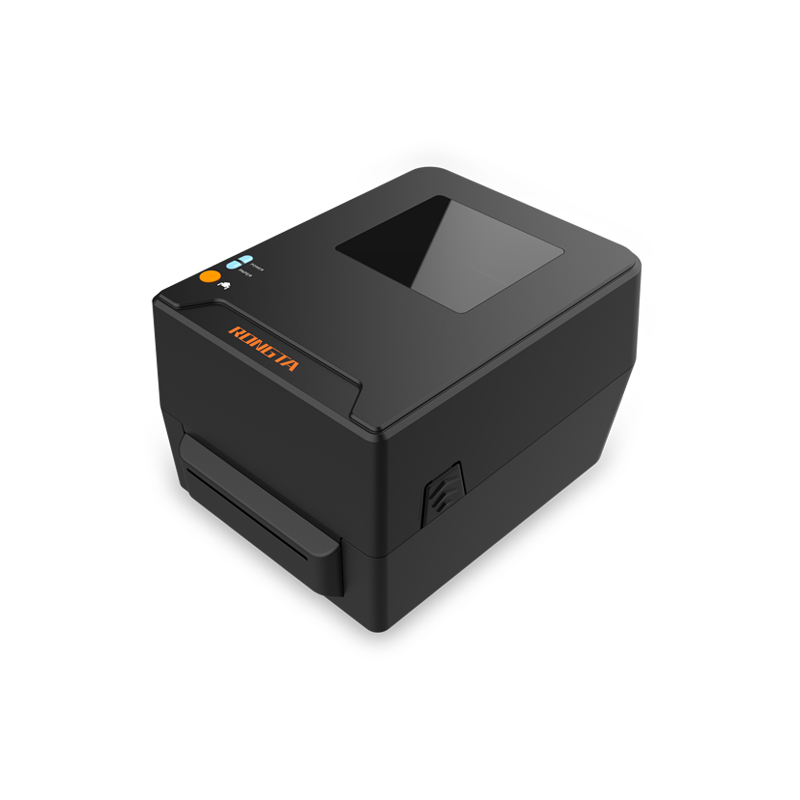 RPF413 300dpi RFID barcode label printer
 RPP02A Portable Receipt Printer
 RPP02B Thermal Portable Printer
 RPP02C Portable Receipt Printer
 RPP02D Thermal Portable Printer
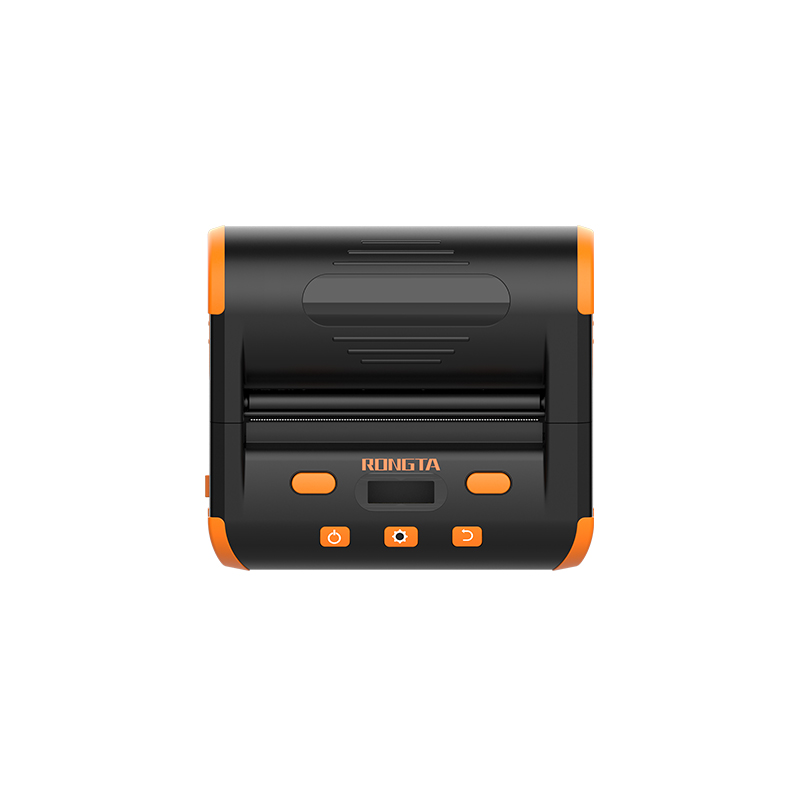 RPP04 4" Portable Label Printer
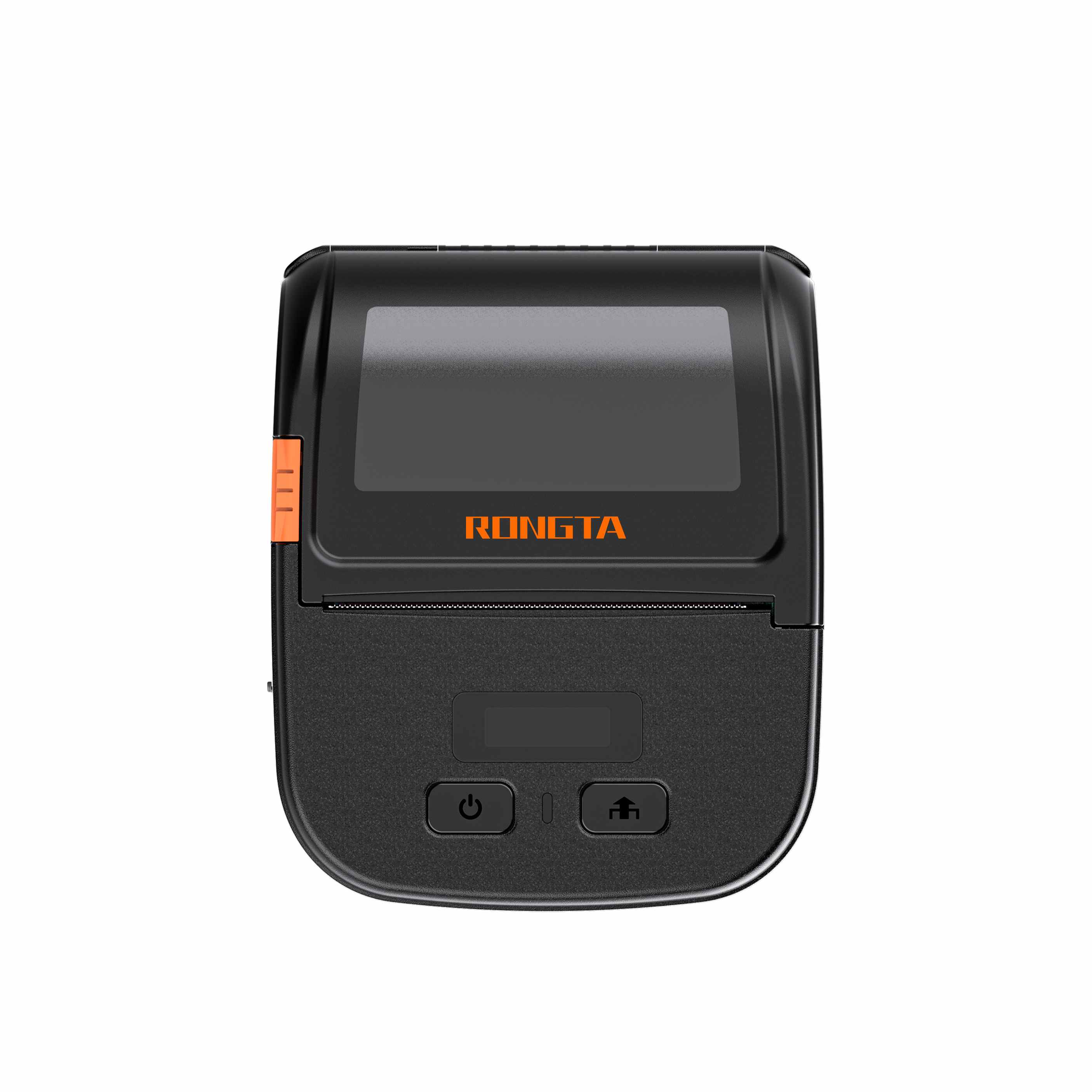 RPP30 3" Portable Label Printer
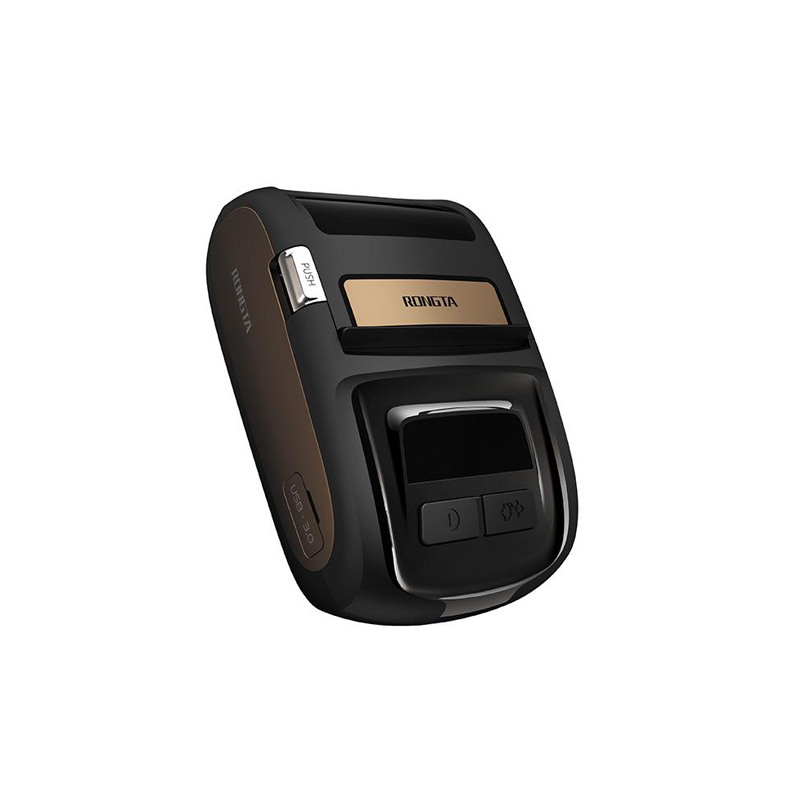 ACE M1 2" Portable Label Printer
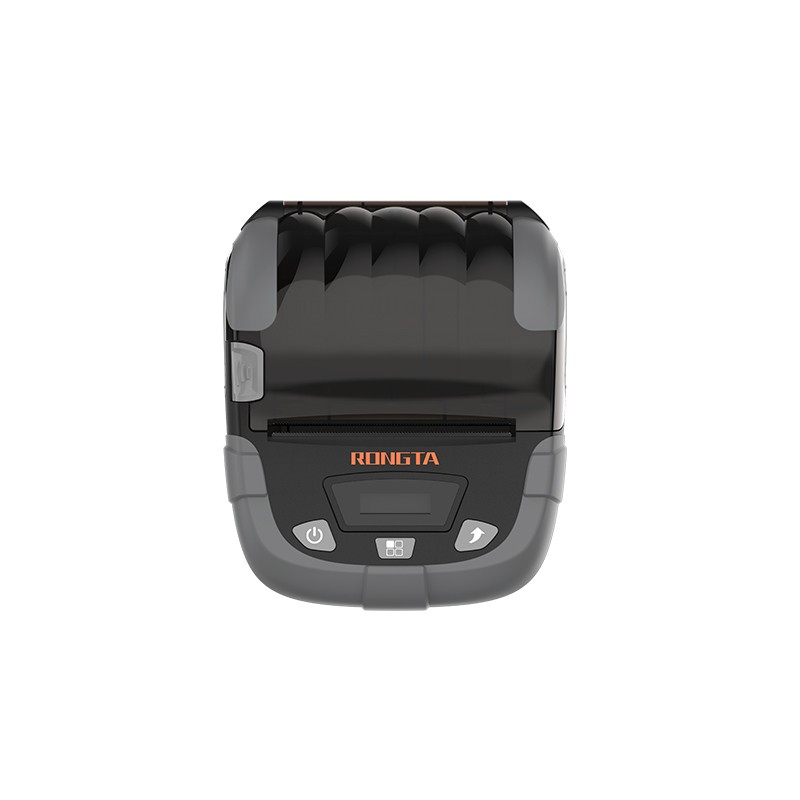 RPP320N 3" Portable Label Printer
 F82A A4 Front-Out Paper Tray Thermal Printer
 F81A Portable A4 Thermal Printer
 F81S Portable A4 Tattoo Printer
 Z1 Children's Educational Photo Printer
 R5 Mini Label Printer
 RP07 58mm Embedded Printer
 RP203 58mm Embedded Printer
 PM315 Embedded Thermal Printer
 PM201 48mm Printing Module
 PM628 58mm printing module
 PM532A Printing Module
 PM532B printer module
 LS015/LS015A Barcode Scale
 RLS1815D/RLS1830D Barcode Scale
 RLS1815C/RLS1830C Barcode Scale
 AURORA S2L-S Labelless Scale
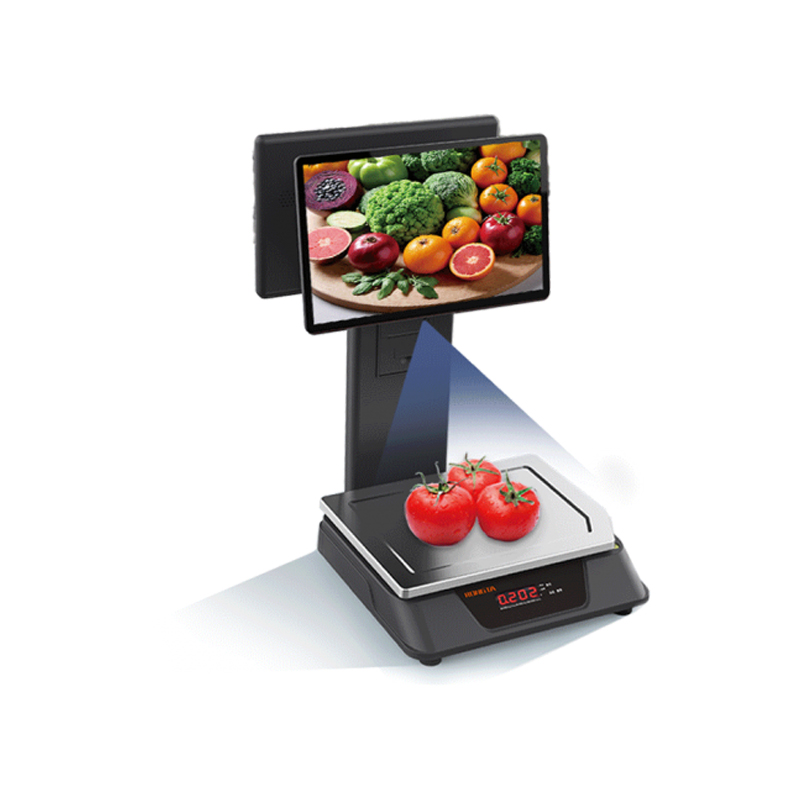 AURORA E1 PRO-AI Cash Register Scale
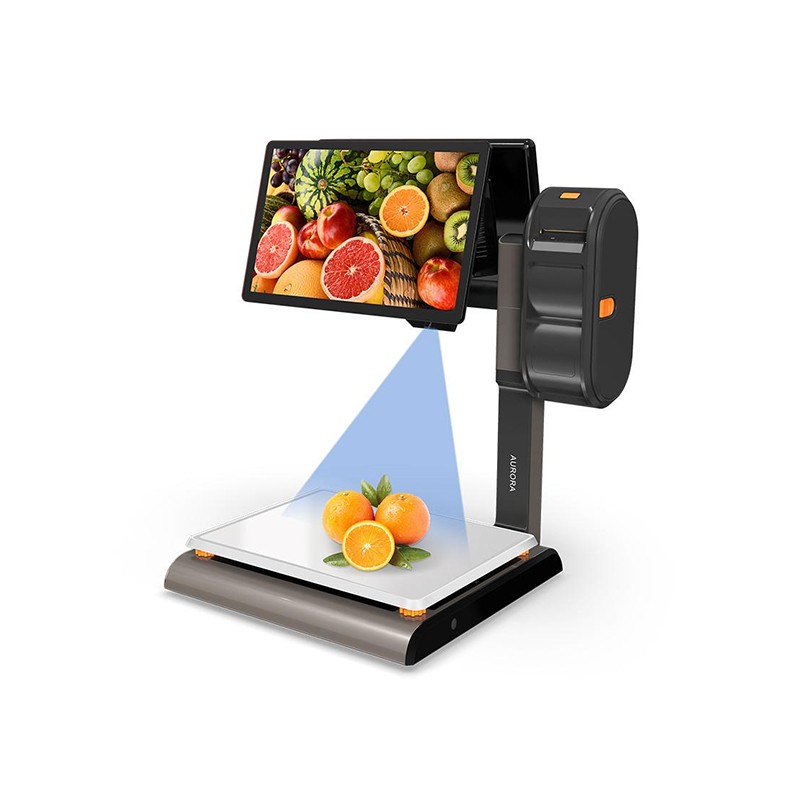 AURORA S2L-AI Label Scale
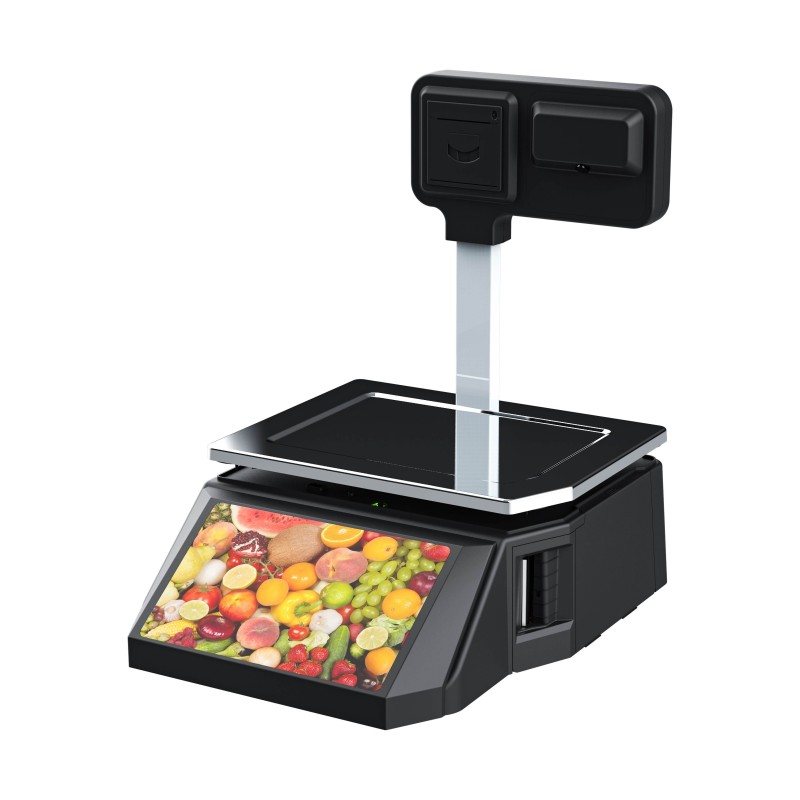 DP01-AI Smart Tag Cashier Dual-Use Scale
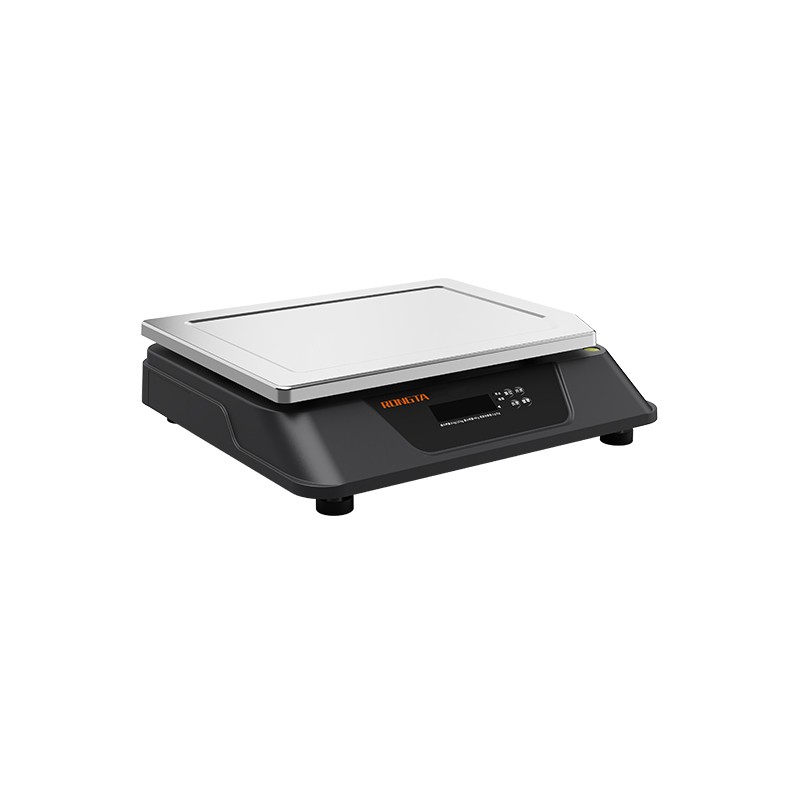 C3 Weighing Scale
 C1 weighing scale
 C11 Weighing Scale
 retail
 FOOD
FOOD Medical
 Mobile office/home
 asset Management
 logistics
 Driver download
 User Manual
 Tool Download
 Tag software
 Product Video
 Development Documentation
 Frequently Asked Questions
 User Guide
 Company News
 Exhibition Updates
 Industry Insights
 Product Update
 General situation
 Development history
 Honors and Qualifications
 R&D strength
 Team activities
 Social responsibility